Iran Signals Military Resolve as Diplomatic Efforts Continue
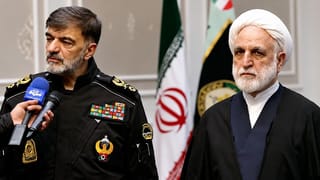
Brigadier-General Mohammad Akrami Nia declared Iran's military remains at "the highest level of readiness" on day 76 of the ongoing conflict, warning there is "no room for retreat" even as Vice President JD Vance claims diplomatic progress during President Trump's China visit. The Iranian Revolutionary Guard commander made the statement during a military briefing in Tehran on Thursday, broadcast live on state television.
Iranian ground forces have maintained combat positions along the western border since October 15, with an estimated 125,000 active personnel deployed according to Pentagon assessments. Air defense systems remain on high alert across 31 provinces, with mobile missile batteries repositioned weekly to avoid satellite tracking.
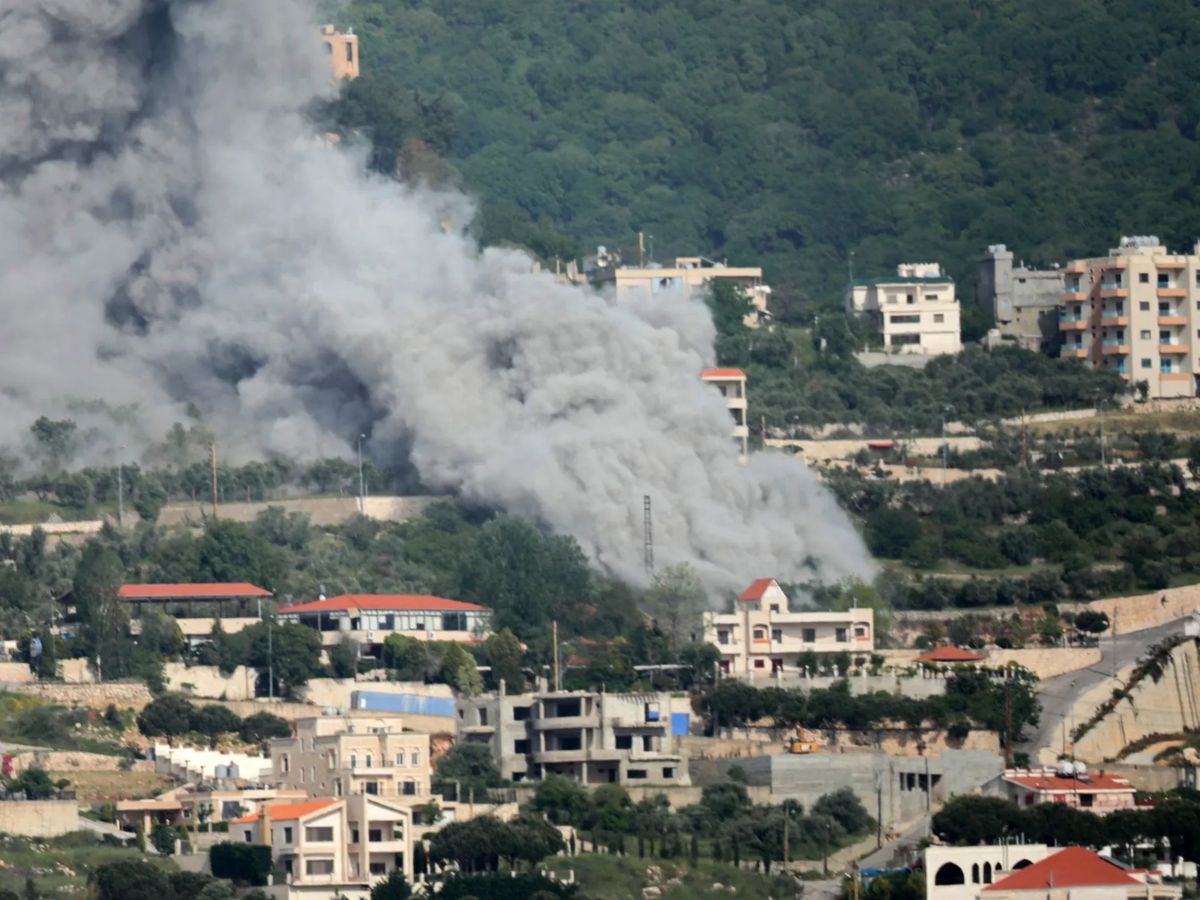
The Iranian military commander's defiant stance comes as tensions persist despite Vance's earlier acknowledgment of economic challenges stemming from the conflict. Iranian officials continue signaling their readiness to respond to any escalation, setting up a potential collision course with ongoing diplomatic efforts.
Historical Context of Iran-US Military Standoffs
The current military posture echoes Iran's response during the 2020 Soleimani crisis, when Tehran mobilized similar force levels and maintained readiness for 72 days before de-escalation. Defense analysts note Iran's pattern of projecting strength during diplomatic negotiations, a strategy used successfully during the 2015 nuclear talks and again during 2019 tanker incidents in the Strait of Hormuz.
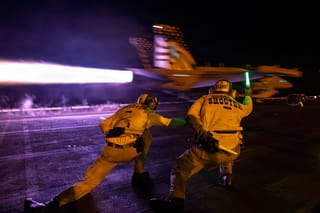
American military spending in the region has increased $2.8 billion since conflict began, with 15,000 additional troops deployed to bases in Qatar, Kuwait, and Bahrain. The USS Gerald Ford carrier strike group remains positioned in international waters, costing taxpayers approximately $25 million daily in operational expenses.
Netanyahu's Secret UAE Visit Disputed
Israeli Prime Minister Benjamin Netanyahu allegedly made a "secret" visit to the United Arab Emirates during the Iran war, meeting with UAE President Sheikh Mohamed bin Zayed Al Nahyan according to his office. The visit supposedly occurred on December 18-19 at the Qasr Al Watan palace in Abu Dhabi, with discussions focused on regional security coordination.
The UAE has flatly denied the trip occurred. In a statement carried by state news agency WAM on Friday morning, the UAE rejected the claims as "baseless," emphasizing that its ties with Israel under the Abraham Accords are public and "not based on secrecy or clandestine arrangements." UAE Foreign Ministry spokesman Ahmed Al Sayegh called the Israeli reports "completely fabricated" and demanded a retraction.
The dispute highlights growing tensions among regional partners as the Trump administration juggles multiple diplomatic fronts during his Beijing summit. Trade between Israel and UAE reached $2.5 billion in 2024, making verification of high-level meetings increasingly important for business confidence.
Iran Rallies for World Cup Team
Despite the ongoing war, crowds estimated at 50,000 people gathered in Tehran's Enghelab Square on Wednesday evening to send off Iran's national football team ahead of the 2026 World Cup qualifying matches. Players appeared on stage wearing red and black tracksuits as fans waved flags in a show of national unity, with state television providing live coverage across the country.
Iranian football federation president Mehdi Taj told the crowd the squad would represent "the people, the country's fighters, the leader and the country." Some fans carried placards honoring former Supreme Leader Ayatollah Ali Khamenei, who was killed during the war. The team departs Saturday for matches against Uzbekistan and Jordan scheduled for January 15 and 20.
The diplomatic contradiction highlights the challenge facing American negotiators: Iran projects military strength and popular resolve even while engaging in talks. For American taxpayers funding military operations in the region, the mixed signals raise questions about whether Tehran is genuinely interested in de-escalation or simply buying time to strengthen its position.
What to Watch Next
The next critical juncture arrives January 28, when Iranian parliament votes on emergency war funding of $12 billion. Watch for Iran's response to any new diplomatic proposals as Trump's Beijing meetings potentially reshape regional dynamics and America's military commitments across multiple theaters. Pentagon officials expect Iran's military readiness assessment by February 5, which could signal whether Tehran plans escalation or diplomatic engagement.