Donald Trump will decide whether to resume military action against Iran after completing his visit to China at the end of this week, according to Israeli sources who say the president faces pressure from Prime Minister Benjamin Netanyahu to restart the conflict.
Israeli officials believe Trump has two main options on the table: launching renewed military strikes as Netanyahu demands, or implementing a naval blockade of the Strait of Hormuz under the U.S. operation called "Project Freedom." A third possibility exists that Trump makes no decision at all following his "historic" Beijing summit.
Military Talks Intensify Amid War Planning
Senior Israeli military officials held discussions with U.S. Central Command leadership over the past week as both nations prepare for potential military action. The talks focused on targeted strikes against Iranian fuel and energy facilities, designed to pressure Tehran back to nuclear negotiations.
Israeli public broadcaster Kan reported that while no unusual alert status currently exists, the possibility of renewed fighting in the coming days remains active. Netanyahu has conducted several internal discussions on the war decision as Israel makes preparations for potential Iranian retaliation and continued missile attacks.
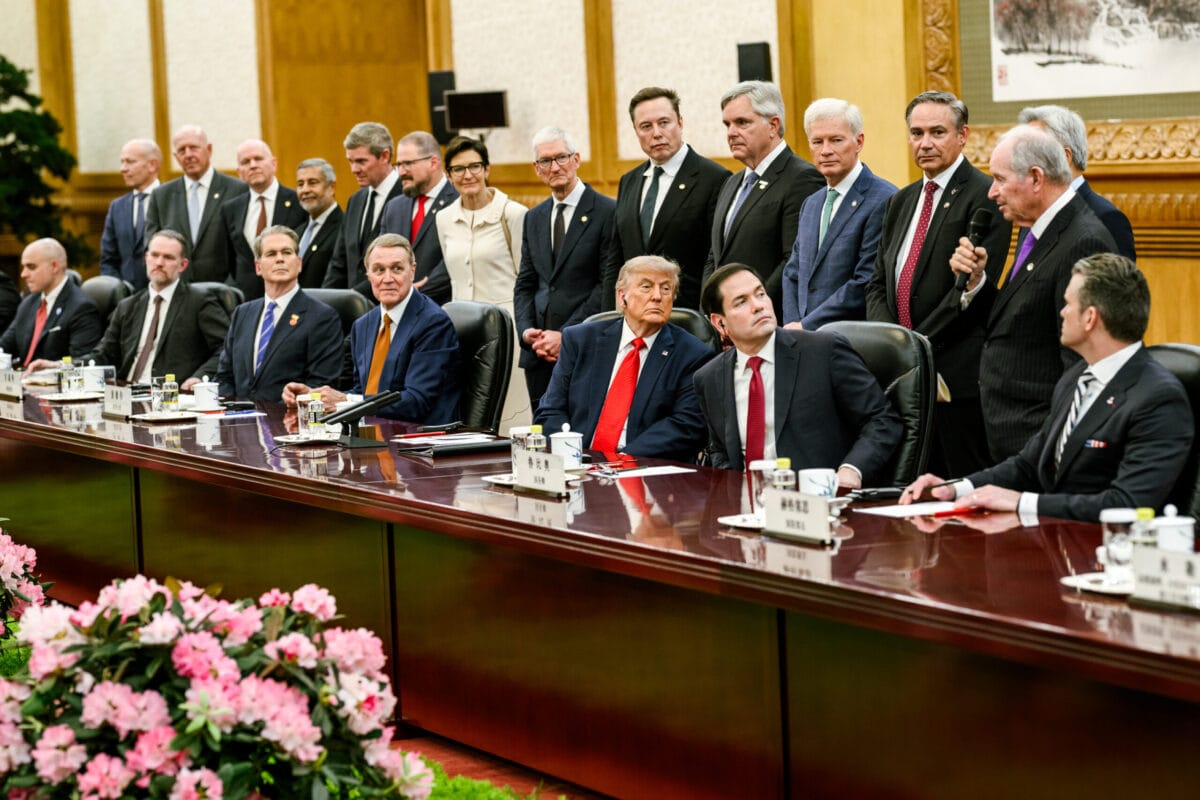
The military coordination comes as Trump wraps up his Boeing deal negotiations with Chinese President Xi Jinping, which secured orders for 200 commercial aircraft despite ongoing trade tensions between Washington and Beijing.
Nuclear Pressure Campaign Under Consideration
U.S. and Israeli sources told Haaretz that the proposed Iranian strikes would target the country's energy infrastructure as part of a broader pressure campaign. The goal would be forcing Iran to abandon its nuclear weapons program in exchange for returning to diplomatic talks.
Israel has already made military preparations for this scenario, particularly focusing on defense against expected Iranian missile responses. The planning reflects lessons learned from previous exchanges where Iran launched ballistic missile barrages at Israeli targets following military strikes.
The war planning unfolds against the backdrop of CIA intelligence suggesting Iran's regime has only 3-4 months remaining under the current economic blockade before facing internal collapse.
Trump's China visit has complicated the Iran decision timeline, as the president claimed the U.S. and China "feel very similar" on Iran policy without providing specifics about Beijing's position on renewed military action.
The Strait of Hormuz alternative represents a less kinetic but potentially more economically damaging approach. The waterway handles roughly 21% of global petroleum liquids transit, making any blockade a significant escalation that could disrupt worldwide energy markets.
Congressional Republicans have shown mixed support for expanded Iran operations, with some GOP senators signaling resistance to additional war funding requests while others push for more aggressive military action against Tehran's nuclear program.
Trump's final decision will likely depend on intelligence assessments about Iranian nuclear progress, the success of his China diplomatic efforts, and domestic political calculations about sustained military engagement in the Middle East. Israeli officials expect clarity on the president's choice within 48 hours of his return from Beijing.