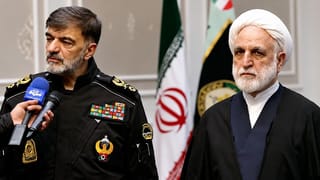
President Donald Trump claimed the United States and China "feel very similar" about ending the war in Iran during his final day meeting with Chinese President Xi Jinping in Beijing, but provided no concrete details about potential diplomatic progress.
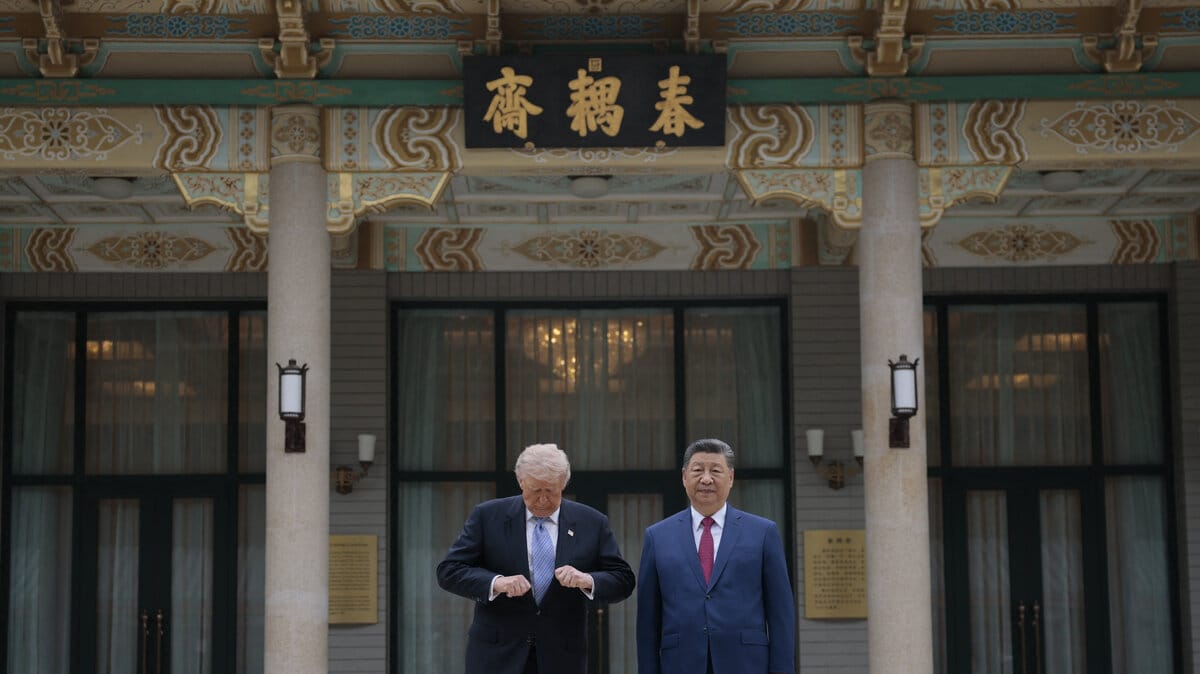
Trump made the comments while standing alongside Xi at the Zhongnanhai garden on Thursday, the second and final day of their high-stakes summit. The president's vague assertion comes as CIA intelligence suggests Iran's regime faces mounting pressure under continued economic sanctions.
China Pushes Different Approach
China has called for an immediate ceasefire and the reopening of critical shipping lanes, marking a stark contrast to the Trump administration's military pressure campaign against Tehran. Beijing's position reflects its economic interests in maintaining stable energy supplies and avoiding further disruption to global trade routes.
The lack of specifics from Trump suggests the two leaders remain far apart on how to resolve the Iranian crisis. While the president emphasized supposed common ground, Xi warned earlier this week of potential "clashes and conflicts" over Taiwan, indicating broader tensions persist between the superpowers.
The timing of Trump's Iran comments carries particular weight given recent developments in Congress. GOP senators have signaled resistance to the president's latest war funding requests, with some questioning the long-term strategy for the Middle East conflict.
Economic Stakes Mount
The Iran war has strained both the U.S. economy and global markets, with oil prices surging 4 percent earlier this week after Trump rejected Iran's latest ceasefire response as "totally unacceptable." American taxpayers face mounting costs as military operations continue with no clear end date.
China's call for reopening seaways directly impacts American consumers, as blocked shipping lanes drive up costs for imported goods. The economic pressure creates incentives for both Washington and Beijing to find common ground, even as they compete for global influence.
Trump's diplomatic outreach to Beijing comes after the president signaled openness to Chinese investment despite ongoing national security concerns from Republican lawmakers and intelligence agencies.
The president's Iran strategy faces growing scrutiny from his own party. Earlier this month, three GOP senators broke ranks on war powers legislation, though the resolution ultimately failed by a narrow 49-50 margin. The political dynamics suggest Trump needs tangible progress soon to maintain congressional support.
For American troops currently deployed in the region, the lack of clear diplomatic progress means continued uncertainty about mission duration and objectives. Military families await concrete developments rather than vague statements about shared feelings between world leaders.
Intelligence assessments indicate Iran's government could face internal collapse within 3-4 months under current economic pressure, potentially creating new challenges for U.S. policymakers regardless of Chinese cooperation.
The Beijing summit concludes with Trump returning to Washington facing pressure to deliver results on multiple fronts — from Iran policy to trade relations with China. Whether Thursday's diplomatic language translates into actionable cooperation remains the key question for American interests in both conflicts.
This is a developing story and will be updated.