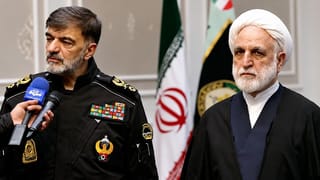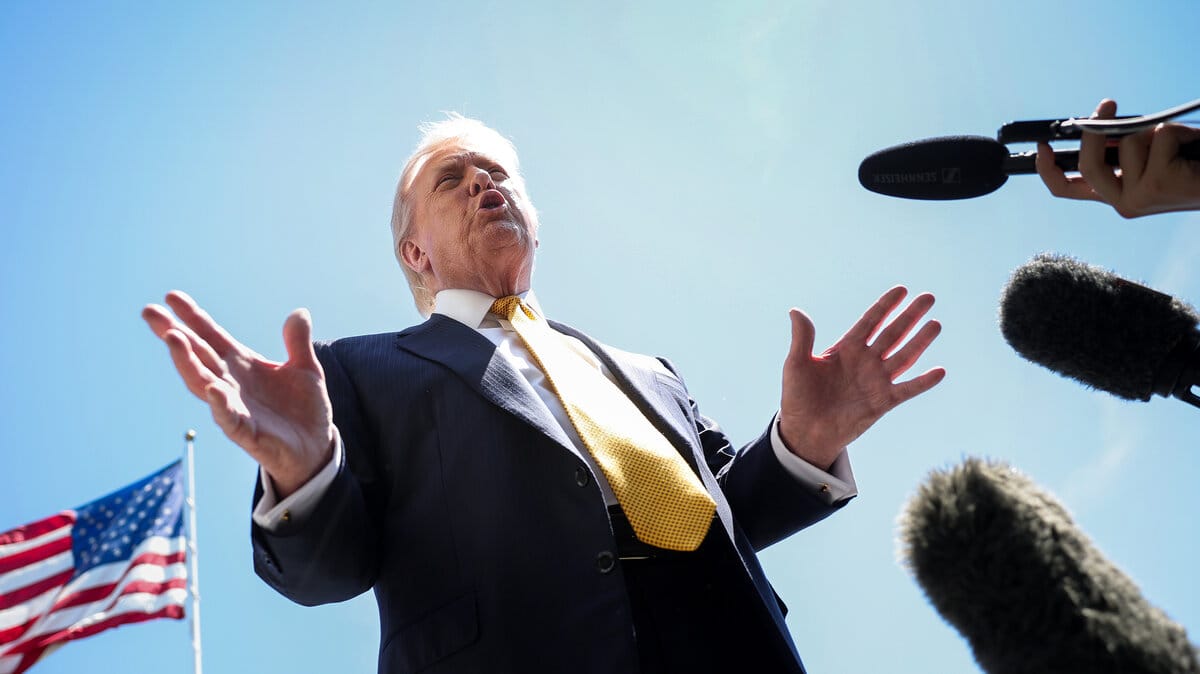
President Donald Trump told reporters Tuesday he is "not even a little bit" motivated to pursue peace with Iran despite the growing financial strain the conflict has placed on American families. Speaking from the White House Rose Garden following his Tuesday morning intelligence briefing, Trump dismissed questions about whether domestic economic pressures should influence his foreign policy approach.
Trump's comments came as US inflation reached a three-year high of 4.2% in October and fuel costs continue climbing following sharp increases in oil prices tied to the Middle East conflict. West Texas Intermediate crude has surged 38% since August, reaching $89.40 per barrel on Tuesday. The president dismissed suggestions that economic hardship should drive his diplomatic strategy.
I don't think about Americans' financial situation
Economic Pressure Mounts on American Families
The Iran conflict has sent ripple effects through the US economy, with energy costs hitting household budgets nationwide. The national average for gasoline prices has climbed to $3.67 per gallon, up from $2.84 in July before tensions escalated. Oil price volatility has translated directly to higher costs at the pump, compounding inflationary pressures already squeezing middle-class Americans.
Energy costs now consume an average 7.8% of household income, the highest share since 2014, according to Energy Information Administration data released Monday. Heating oil prices have jumped 42% year-over-year, while natural gas futures trade at their highest levels since February 2021. Food prices have also accelerated, rising 2.1% last month as transportation costs filter through supply chains.
Despite these mounting costs, Trump indicated Tuesday that domestic economic considerations play no role in his approach to potential negotiations with Tehran. The president's stance comes as Republicans in Congress have questioned both war strategy and defense spending priorities.
Political Context and Historical Precedent
Trump's dismissal of economic factors breaks with decades of foreign policy precedent. During the 1991 Gulf War, President George H.W. Bush explicitly cited energy price stability as a national security interest. President Barack Obama regularly mentioned domestic economic impacts when defending the Iran nuclear deal in 2015.
The current approach also creates potential political risks for Trump's 2024 campaign. Recent polling by Quinnipiac University shows 67% of registered voters cite inflation as their top concern, while 71% say energy costs directly impact their daily lives. Only 34% approve of Trump's handling of the Iran situation, down from 48% in September.
The president's position puts him at odds with voters increasingly concerned about cost-of-living pressures. Tuesday's ABC News/Washington Post poll found that 58% of Americans believe foreign military commitments contribute to domestic inflation, while 62% want diplomatic solutions prioritized over military action.
Iran Strategy Remains Unchanged
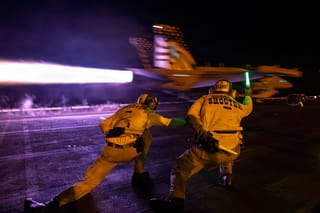
Trump's remarks suggest his administration will maintain its current military posture regardless of domestic economic fallout. The Pentagon has deployed 12,000 additional troops to the Middle East since August, including the USS Gerald R. Ford carrier strike group and two B-52 bomber squadrons now stationed in Qatar.
Defense Secretary Christopher Miller told the Senate Armed Services Committee Monday that military operations cost approximately $2.1 billion monthly, funded through emergency appropriations that bypass normal budget constraints. The president has previously dismissed Iran peace proposals and shown little interest in diplomatic solutions to the ongoing conflict.
What Comes Next
The disconnect between rising costs and presidential priorities highlights a potential political vulnerability as Americans face continued financial pressure from the prolonged Middle East engagement. Energy analysts at Goldman Sachs warn that sustained conflict could drive oil prices to $95-100 per barrel by December if tensions escalate further.
Congressional Democrats plan to introduce legislation next week requiring economic impact assessments for military deployments lasting longer than 60 days. House Speaker Mike Johnson faces growing pressure from his own caucus to schedule hearings on war costs before the November budget deadline.
Watch for Federal Reserve Chairman Jerome Powell's testimony to Congress on November 14, where he will address inflation trends and energy price impacts. The next major decision point comes November 28, when the current military authorization expires and requires congressional reauthorization.