President Donald Trump rejected Iran's latest peace proposals on May 11, calling them "garbage" and declaring the April 7 ceasefire is on "massive life support" as he weighs restarting US Navy escorts through the Strait of Hormuz.
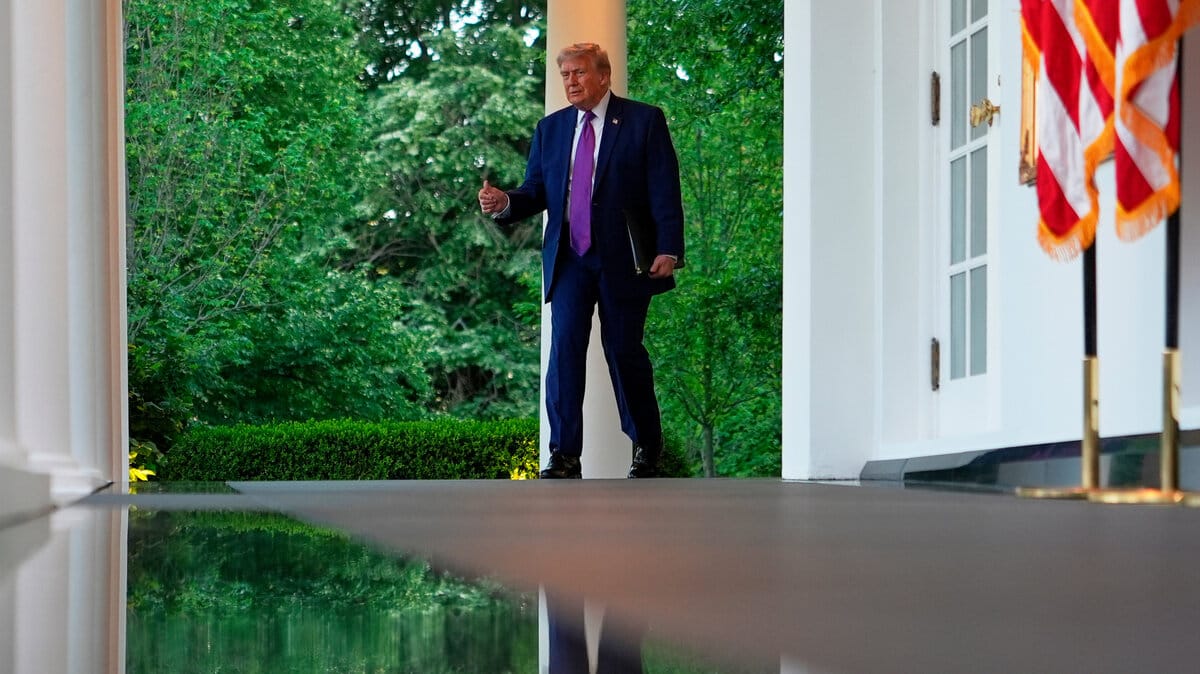
Speaking at a 7 p.m. White House dinner for administration officials and law enforcement leaders in the Roosevelt Room, Trump dismissed Iran's diplomatic overture with characteristic bluntness. The 12-page Iranian proposal, delivered through Swiss diplomatic channels on May 9, outlined terms for ending Tehran's blockade of the strategic waterway.
I would call it the weakest, right now, after reading that piece of garbage they sent us – I didn't even finish reading it.
Trump compared the failing ceasefire to a terminal medical case: "I would say the ceasefire is on massive life support, where the doctor walks in and says: 'Sir, your loved one has approximately a 1% chance of living.'"
Oil Markets Spike on Renewed Tensions
Trump's comments came after oil prices jumped 4.2% when Iran announced it would halt all negotiations about ending its blockade of the Strait of Hormuz unless the United States accepts Tehran's terms. Brent crude closed at $89.34 per barrel on May 11, the highest level since the blockade began. The strategic waterway carries roughly 20% of global oil supplies, making any disruption a direct hit to American consumers and the global economy.
Iran's blockade has already forced shipping companies to reroute around Africa, adding 18-21 days to delivery times and an estimated $2.3 billion daily in additional costs. Maersk and MSC Mediterranean Shipping Company announced May 10 they would extend their Cape of Good Hope diversions through at least June 15.
The president is now considering resuming US Navy military escorts of commercial ships through the strait — a move that risks direct military confrontation with Iranian forces. Defense Secretary Pete Hegseth briefed Trump on May 10 about deploying the USS Abraham Lincoln carrier strike group and USS Bataan amphibious ready group currently stationed in the Arabian Sea.
Escalating Crisis Pattern
The escalating crisis follows Trump's previous rejection of Iranian ceasefire responses on April 28, which he called "totally unacceptable." The April 7 ceasefire emerged after 72 hours of direct military clashes between Iranian speedboats and US destroyers that left three Iranian vessels damaged and prompted emergency UN Security Council meetings.
Iran's blockade began March 15 in response to new US sanctions targeting $4.2 billion in Iranian oil revenues. The standoff represents the most serious military confrontation in the Persian Gulf since 1987-1988, when the US Navy conducted Operation Earnest Will to protect Kuwaiti tankers during the Iran-Iraq War.
Domestic Political Battles Continue
While Trump denied facing domestic pressure over Iran policy, he's simultaneously battling Democrats on multiple fronts. The Supreme Court ruled 6-3 on Monday that Alabama can use a congressional map that the US District Court for the Northern District of Alabama said intentionally discriminates against Black voters — a win for Republican redistricting efforts nationwide.
Senate Minority Leader Chuck Schumer vowed to oppose a Republican plan to spend $1 billion on security improvements for a ballroom Trump wants to build on the White House's former East Wing tennis court. The funding is part of a larger $70 billion measure to fund Trump's mass deportation campaign through September 2028.
Meanwhile, 40 House Democrats raised "grave concerns" about the administration's deportation flights, as Insider Wire previously reported, demanding the FAA investigate alleged mistreatment on ICE charter jets. Hegseth referred Senator Mark Kelly to Pentagon lawyers on May 9 for allegedly disclosing classified information about depleted US weapons stockpiles — information Kelly said he heard from Hegseth himself during May 7 Armed Services Committee testimony.
What Comes Next
Trump faces a May 15 deadline to decide on military escorts, when the current 30-day assessment period expires. The House Armed Services Committee scheduled a May 14 closed briefing on Iranian capabilities, while NATO allies plan emergency consultations May 16 in Brussels. With Iran refusing further talks and oil markets on edge, Trump faces a choice between military escalation or diplomatic retreat in one of the world's most critical shipping lanes.