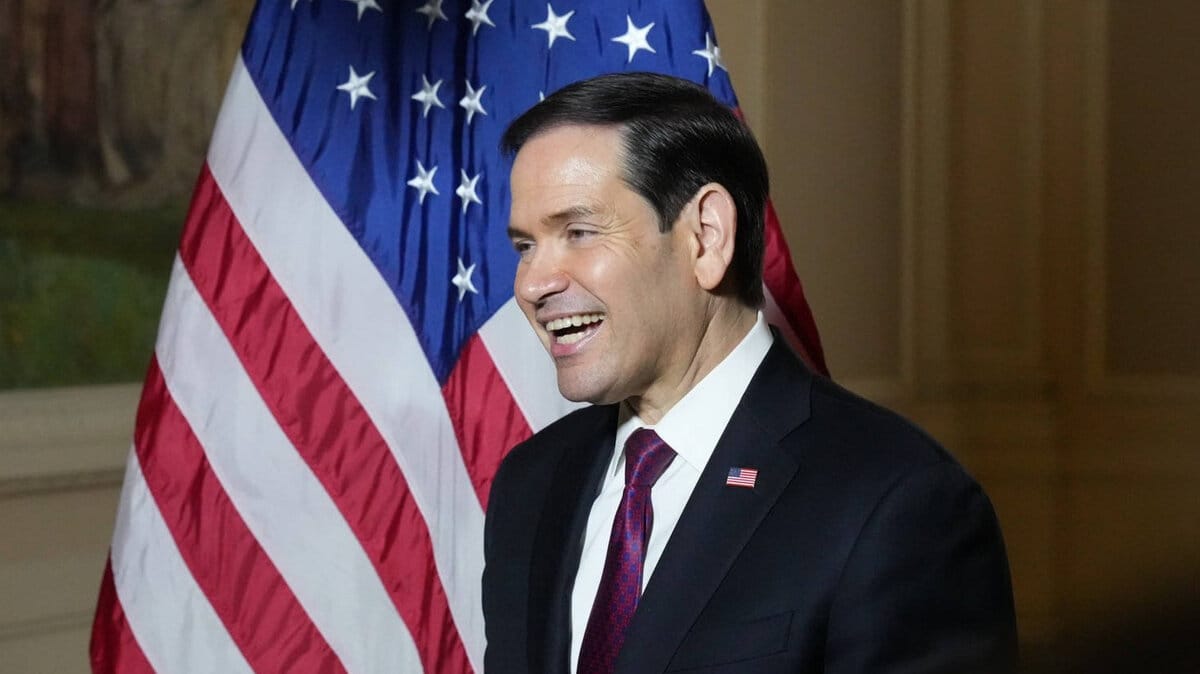
Secretary of State Marco Rubio said Friday he expects Iran to respond to American ceasefire proposals as violence flares around the Strait of Hormuz despite a month-old truce between the two nations that began on December 15, 2024.
Speaking to reporters during a visit to Rome, Rubio said Washington awaits Tehran's answer to an interim deal transmitted through Pakistani mediators. The proposal aims to solidify the fragile ceasefire and restart formal negotiations that have been stalled since October.
We're expecting a response from them today at some point … I hope it's a serious offer, I really do … The hope is it's something that can put us into a serious process of negotiation.
President Trump told White House reporters Friday evening he anticipated receiving Iran's written response soon. "I'm getting a letter supposedly tonight," Trump said at 7:30 PM Eastern Time before departing for Camp David.
Recent Clashes Test December Ceasefire
The diplomatic push comes as both sides trade accusations over recent clashes near Hormuz that occurred Tuesday and Wednesday, the strategic waterway through which one-fifth of global oil passes. Iranian Foreign Minister Abbas Araghchi accused America of breaking the ceasefire agreement first established on December 15 after 68 days of intermittent naval skirmishes.
"Every time a diplomatic solution is on the table, the US opts for a reckless military adventure," Araghchi posted on X Friday morning. The Iranian minister also boasted that his nation had not only repaired ballistic missile stocks during the pause but expanded launcher capacity by 40% at three coastal installations near Bandar Abbas.
The escalation followed Trump's announcement Monday and rapid suspension Wednesday of Operation Strait Guardian, a new naval mission designed to force open the strait using a 12-ship task force led by the USS Theodore Roosevelt. American officials describe the recent weeks as wild swings between diplomatic hope and military confrontation as both nations seek leverage before potential talks.
Pattern of Failed Diplomacy Continues
The current crisis follows a familiar pattern of escalation and diplomatic overtures that has defined US-Iran relations since Trump withdrew from the 2015 nuclear accord during his first term. The December ceasefire marked the fourth such pause in hostilities since tensions began rising in September over Iranian harassment of commercial shipping.
Previous attempts at de-escalation collapsed after 11 days in October and 18 days in November, each time over disputed incidents involving Revolutionary Guard speedboats and US Navy destroyers. The current 31-day pause represents the longest period without direct military confrontation since the crisis began, raising hopes among regional allies that sustained negotiations might finally be possible.
Pakistan's role as intermediary reflects Prime Minister Shehbaz Sharif's personal investment in preventing wider conflict that could disrupt the $62 billion China-Pakistan Economic Corridor. Pakistani Foreign Secretary Muhammad Syrus Sajjad Qazi delivered the American proposal to Tehran on Wednesday and returned Friday with Iran's preliminary response.
Beijing Summit Complicated by Iran Crisis
The Iran crisis threatens to overshadow Trump's planned arrival in Beijing on Wednesday for his first presidential visit to China in nine years. The summit with President Xi Jinping marks Trump's return to the Chinese capital since his 2017 first-term visit, though experts note he enters the talks from a more vulnerable position this time.
The timing puts American diplomats in the difficult position of managing two major foreign policy challenges simultaneously. The ongoing Middle East conflict has strained US Fifth Fleet resources, with 8 destroyers and 2 carrier groups now deployed in the Persian Gulf region, while diplomatic bandwidth remains focused on preventing wider escalation.
Critical Weekend Ahead
Iran's response to the American proposal will likely determine whether diplomatic efforts can prevent further military escalation or if the fragile ceasefire collapses entirely, potentially forcing Trump to manage active conflicts on multiple fronts. Pentagon officials privately express concern about maintaining current deployment levels beyond February without affecting readiness in the Pacific.
Key indicators to watch include whether Iran agrees to the proposed 90-day extension of the current ceasefire and accepts direct talks in Doha starting January 28. Any renewed military action over the weekend could derail Trump's China strategy and force a broader reassessment of American commitments in both regions.
This is a developing story and will be updated.