
Cyberattacks struck financial platforms, government databases, and critical infrastructure across three continents this week, draining billions of dollars and exposing millions of personal records in what authorities are calling an unprecedented surge in coordinated digital assaults.
On October 29, attackers drained an estimated $6.3 billion from Binance hot wallets across 10 blockchains, the largest crypto theft on record. The FBI and blockchain security firms attributed the breach to North Korea's TraderTraitor group, with the intrusion traced to a compromised DevOps engineer's laptop. Binance said nearly $3 billion was frozen and pledged to cover remaining losses. In a separate incident the same day, a corrupted third-party script siphoned roughly $2.5 million from Polymarket traders.
Large data breaches also surfaced. Florida’s Department of Education confirmed a breach of its student financial aid site (discovered around October 19) potentially exposing Social Security numbers and other personal data of about 4.9 million people.
Japan's GMO Internet Group disclosed in late October 2026 that attackers had breached its Onamae.com Desktop Cloud service, a cloud VPS widely used for automated foreign-exchange trading via platforms. The hackers installed malware on up to 26,739 customer servers, stealing trading credentials and executing unauthorized trades. GMO said the intrusion dated to at least Aug. 5. Some users suffered significant financial losses.
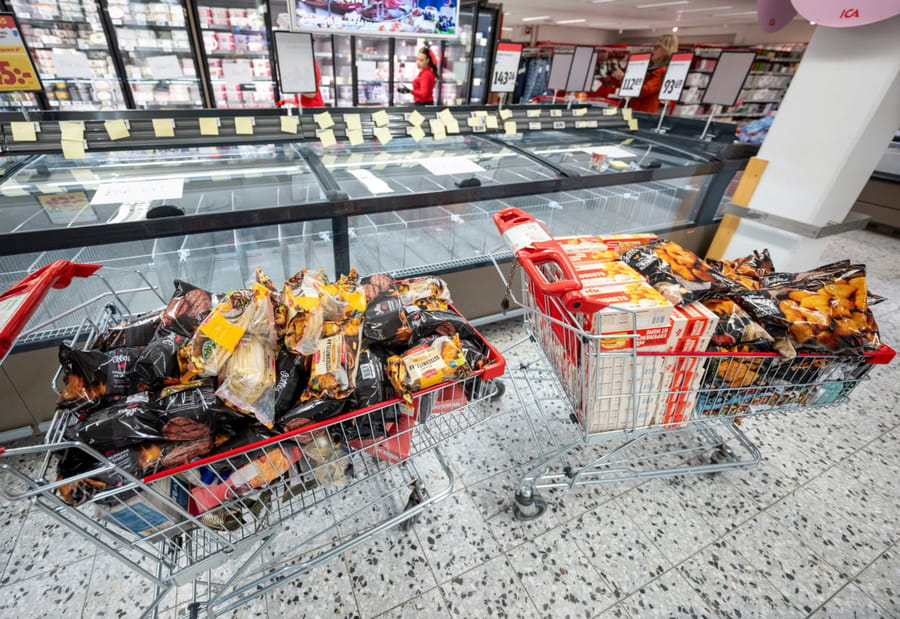
Hackers have also targeted supermarkets, with cyberattacks hitting hundreds of French stores and forcing continuous defrost cycles that pushed temperatures as high as 122 degrees Fahrenheit (50°C), spoiling large quantities of food and sparking fires in some locations, with losses running into the millions of euros. A second wave struck on Nov. 2, hitting retailers in at least seven countries including Belgium, Sweden, Ireland, Luxembourg, Finland, the Netherlands and Estonia, again overheating refrigeration units overnight and forcing chains including Carrefour, ICA, Coop, Delhaize and SuperValu to discard stock.
With global tensions already elevated, authorities worldwide are warning of further attacks and urging citizens to stockpile emergency supplies ahead of potential large-scale incidents.