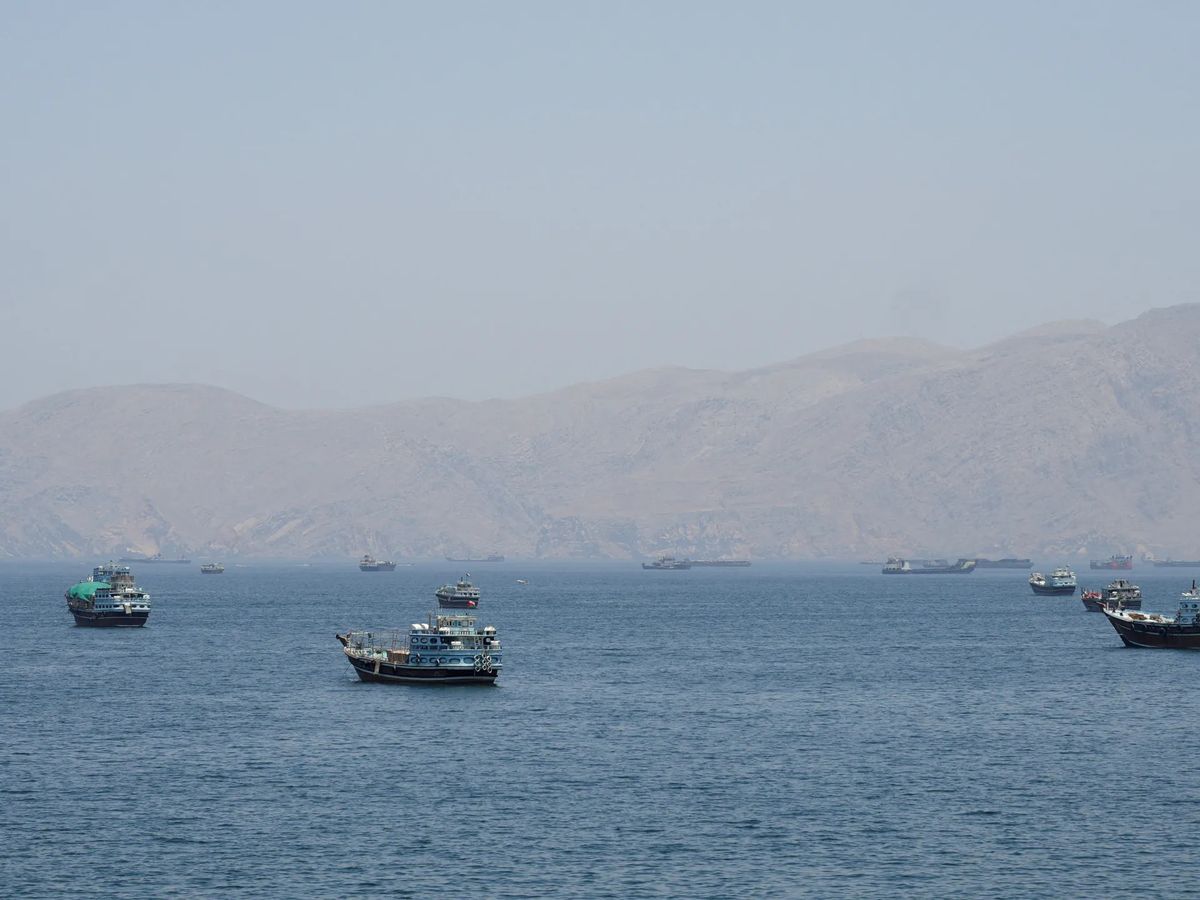
US and Iranian forces traded fire near the Strait of Hormuz on day 70 of their conflict, with both sides accusing the other of violating their fragile ceasefire in the world's most critical oil shipping lane.
US Central Command said American forces intercepted "unprovoked Iranian attacks" and responded with "self-defence strikes," while Tehran accused Washington of targeting two ships near the strait and hitting civilian areas along Iran's southern coast. Iranian state media reported explosions on Qeshm Island and said air defense systems intercepted multiple drones over the strategic location.
Strategic Island Under Fire
The fighting centered on Qeshm Island, which sits at the entrance to the Strait of Hormuz and serves as Iran's primary platform for "asymmetric" naval operations against US forces. The island's position allows Iran to threaten shipping through the waterway that carries one-fifth of global oil supplies.
The exchange comes just one day after President Donald Trump suggested a deal with Tehran could be within reach, following what he called "very good talks." But Trump also delivered a warning, threatening the US could resume bombing if Iran refused to agree to terms, as Insider Wire previously reported.
The timing exposes the fragility of ceasefire negotiations that have been brokered by Saudi Arabia in recent weeks. American taxpayers have watched gas prices climb to $4.50 per gallon as the conflict disrupts global energy markets, putting pressure on the White House to find a diplomatic solution.
Escalation Threatens Oil Markets
Any sustained fighting near the Strait of Hormuz poses direct risks to American economic interests. The narrow waterway handles roughly 21% of global petroleum liquids transit, and Iranian threats to close it have historically sent oil prices soaring.
For American forces in the region, the latest exchange underscores the challenges of maintaining freedom of navigation while avoiding full-scale war. CENTCOM has positioned significant naval assets in the Gulf to keep shipping lanes open, but each engagement risks escalation that could draw in thousands more US troops.
Trump's diplomatic approach has focused on transactional deals rather than comprehensive agreements, seeking to end the conflict quickly while preserving American deterrence. The president's warning about resumed bombing signals his administration won't accept Iranian provocations indefinitely.
Watch for whether this latest exchange derails the Saudi-brokered talks or pushes both sides toward the 30-day peace deal framework that negotiators have been discussing. The next 48 hours will show whether diplomatic momentum can survive combat in the Gulf.
This is a developing story and will be updated.