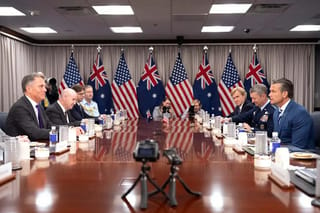
Iran has tentatively agreed to remove enriched uranium stockpiles, and the United States has signaled it will ease restrictions on frozen Iranian assets, a Saudi source close to the matter told Insider Wire. The framework, brokered by Saudi mediators, would establish a 30-day peace while diplomats figure out a longer-term arrangement.
Pakistan publicly thanked Riyadh for stepping into the fraught Tehran-Washington channel, crediting the kingdom with persuading the White House to suspend “Operation Freedom,” the U.S. military’s posture aimed at Iranian nuclear sites, for the duration of talks. Islamabad’s statement framed the Saudi role as the diplomatic breakthrough that pulled the region back from open conflict.
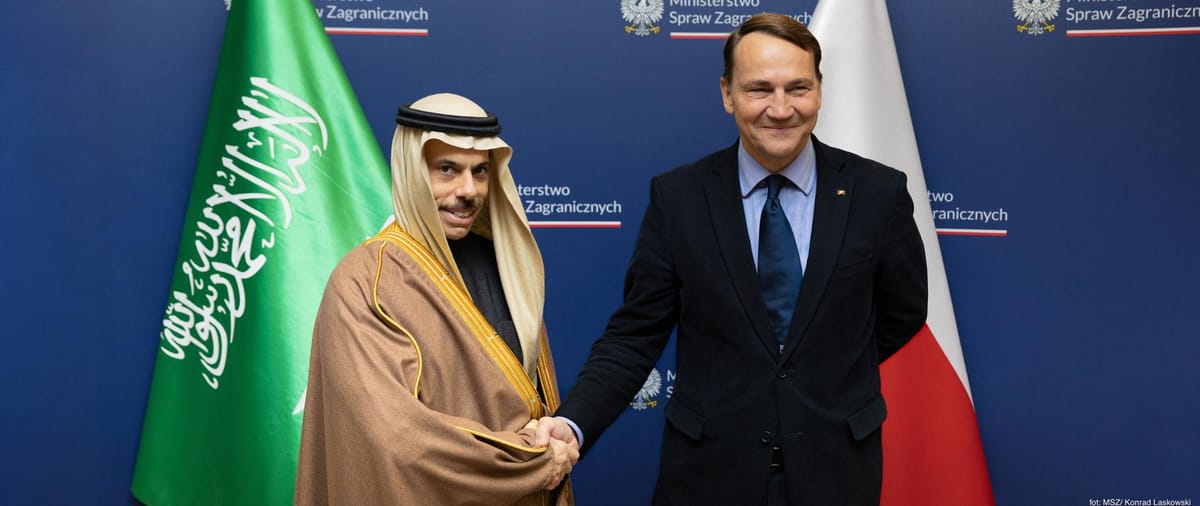
Iranian Foreign Minister Abbas Araghchi, traveling in Beijing this week, held parallel discussions with his Saudi counterpart Prince Faisal bin Farhan. Chinese officials urged Tehran to deepen coordination with Riyadh ahead of any deal, the same source said. China previously hosted the 2023 Saudi-Iranian rapprochement that restored diplomatic ties between the two regional rivals.
The framework on the table would suspend U.S. military preparations and freeze hostile posturing in exchange for verifiable removal of Iran’s stockpile of highly enriched uranium. A U.S. proposal reported by The Wall Street Journal would allow Tehran to access roughly $20 billion in frozen funds in exchange for handing the material over, with the uranium itself slated to be transferred to the United States, President Donald Trump told reporters, citing a “very good chance” for a deal, according to The Times of Israel. The deal would not lift Treasury sanctions on Iran’s oil exports, a key American bargaining chip that would be preserved for any follow-on agreement, the source said.
For American taxpayers and service members, the immediate stakes are clear. The suspension of “Operation Freedom” pulls U.S. forces in the Gulf back from the brink of direct strikes on Iranian sites, potentially saving billions in deployment costs and reducing the risk to thousands of personnel deployed across CENTCOM. Whether the deal holds beyond 30 days will depend on Tehran’s willingness to verifiably surrender the uranium it has spent years stockpiling.
The next round of talks is expected to convene in Riyadh later this month. White House officials declined to comment on the specifics, citing operational security.