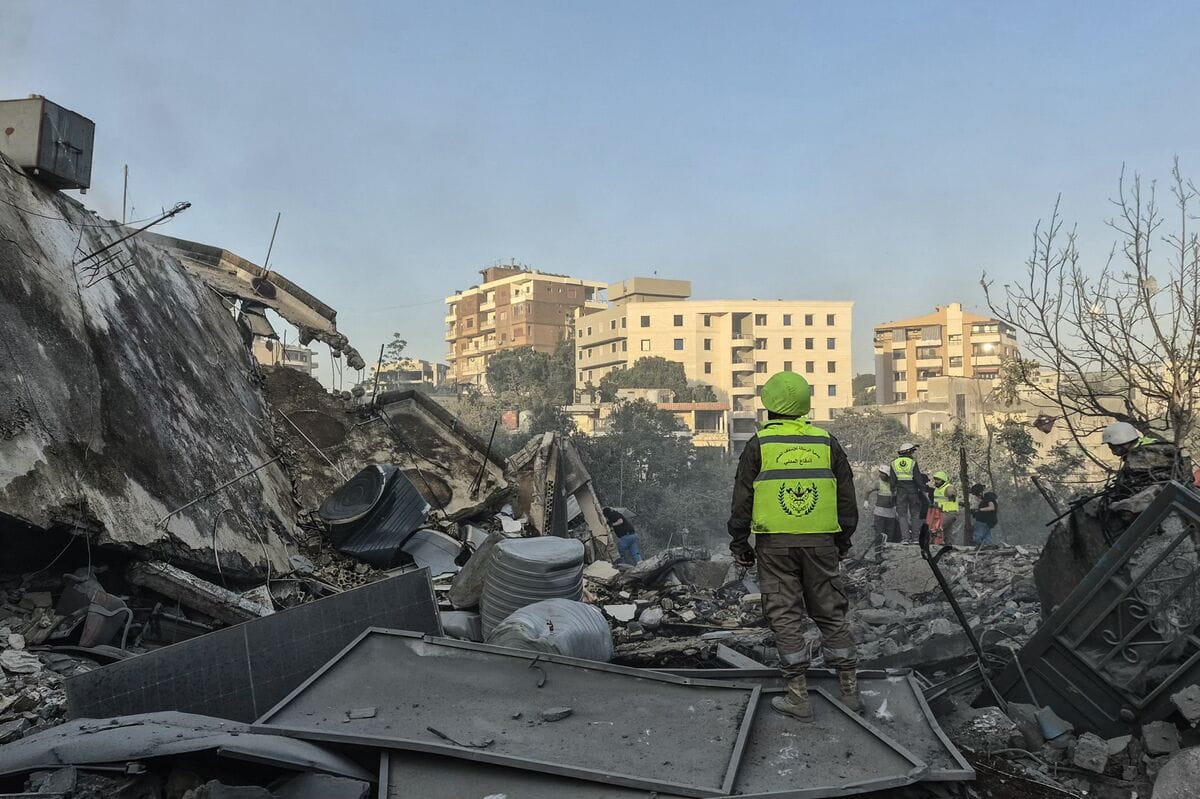
Israel and Lebanon agreed Friday to extend their ceasefire for 45 days following negotiations in Washington, the State Department announced. The Trump administration brokered the extension as part of broader efforts to contain Middle East conflicts that have complicated potential military action against Iran.
The ceasefire extension provides breathing room for diplomatic efforts as tensions across the region remain elevated. The original truce had been set to expire, threatening to reignite hostilities between Israeli forces and Hezbollah fighters along the Lebanese border.
Strategic Implications for US Iran Policy
The ceasefire extension directly serves Trump administration strategic interests in the Middle East. A renewed Israel-Lebanon conflict would strain military resources and complicate potential operations against Iran's nuclear program. The administration has been weighing military options against Tehran while managing multiple regional flashpoints.
State Department officials characterized the talks as productive, though they provided no details about specific terms or conditions attached to the 45-day extension. The timeline suggests both sides agreed to maintain current positions while exploring longer-term arrangements.
The extension comes as intelligence assessments indicate Iran faces mounting economic pressure from US sanctions and regional isolation. Administration officials view the Israel-Lebanon ceasefire as removing one variable from complex regional calculations.
Regional Security Calculations
Hezbollah's Iranian backing makes the Lebanese front a key consideration in broader US-Iran tensions. The militia group receives funding, weapons, and training from Tehran's Revolutionary Guard Corps. A ceasefire breakdown would likely draw Iranian resources and attention away from other regional priorities.
Israeli military officials have maintained readiness for renewed combat operations while engaging in the Washington talks. The 45-day timeframe allows both militaries to reassess positions and resupply forces along the border.
Lebanese government officials, separate from Hezbollah, have pressed for international guarantees and reconstruction aid as part of any extended ceasefire arrangement. The country's economic crisis has worsened amid regional instability and ongoing political dysfunction.
Trump administration officials view Middle East stability as essential for maintaining focus on strategic competition with China and addressing Iranian nuclear ambitions. Multiple active conflicts would strain Pentagon resources and complicate alliance relationships across the region.
The ceasefire extension also provides space for continued diplomatic engagement with regional partners, including Saudi Arabia and the United Arab Emirates, who have pressed for de-escalation while supporting pressure on Iran.
Military analysts note the timing allows both Israeli and Lebanese forces to conduct maintenance and training operations without immediate combat pressure. Intelligence sharing between US and Israeli forces continues during the ceasefire period.
The 45-day extension will be closely watched by regional powers, including Syria and Jordan, who fear spillover effects from renewed Israel-Lebanon fighting. Both countries host refugee populations and maintain complex relationships with various militia groups.
Congressional oversight committees have been briefed on the ceasefire negotiations, with some members expressing concerns about long-term regional strategy. The extension provides time for more detailed legislative consultations on Middle East policy.
The next phase of talks will likely address broader security arrangements, economic reconstruction, and the role of international monitoring forces. Both sides face domestic pressure regarding the terms and duration of any permanent agreement.
This is a developing story and will be updated.