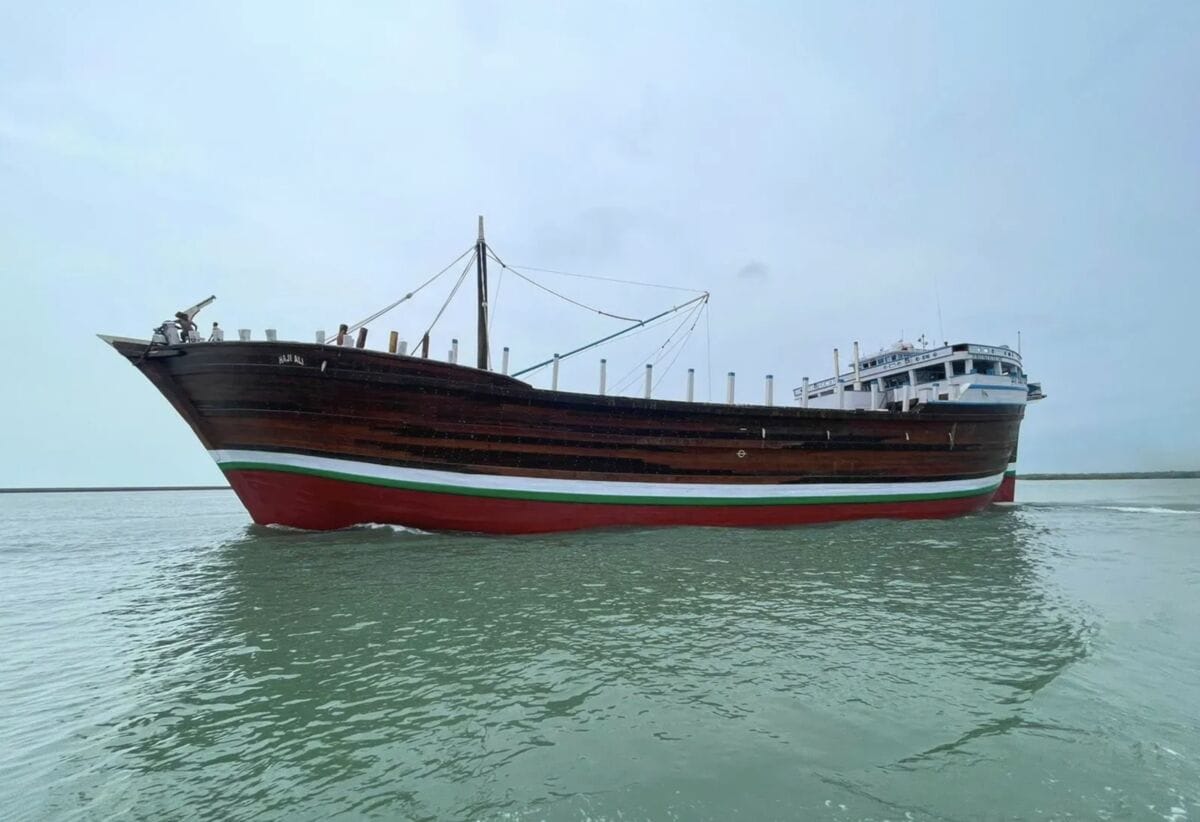
India launched an investigation into an attack on a cargo vessel that caught fire and sank in the Gulf of Oman, according to officials familiar with the matter. The incident adds to growing concerns about maritime security in one of the world's most critical shipping lanes.
Indian authorities are working to verify details surrounding the attack, though officials have not disclosed the vessel's identity, flag state, or the nature of the assault that led to its destruction. The Gulf of Oman serves as a gateway to the Strait of Hormuz, through which roughly 21% of global petroleum liquids pass daily.
Strategic Waterway Under Threat
The attack comes as tensions escalate across Middle Eastern shipping routes, with geopolitical conflicts threatening regional stability. The Gulf of Oman has witnessed multiple incidents targeting commercial vessels in recent years, disrupting global supply chains and forcing shipping companies to reroute cargo at enormous cost.
India maintains significant interests in Gulf shipping security, importing roughly 85% of its crude oil requirements through maritime routes. The country operates one of the world's largest merchant fleets, with over 1,400 vessels registered under the Indian flag. Any disruption to Gulf shipping directly impacts India's energy security and economic stability.
Maritime security experts point to the Gulf of Oman's strategic importance as both a blessing and a curse. While the waterway enables global commerce, its narrow passages and proximity to regional conflict zones make vessels vulnerable to asymmetric attacks. Insurance rates for ships transiting the area have spiked 300% since regional tensions began escalating.
Investigation Challenges
Indian officials face complex jurisdictional challenges in investigating the incident. International waters fall under multiple legal frameworks, requiring coordination between flag states, coastal nations, and international maritime authorities. The investigation must determine whether the attack constitutes piracy, terrorism, or state-sponsored aggression.
The sinking of the cargo vessel raises questions about protective measures for commercial shipping in the region. While some nations have deployed naval escorts for their flagged vessels, most cargo ships transit the Gulf of Oman without military protection due to cost constraints and limited naval resources.
Commercial shipping companies have pressed governments to increase naval patrols and establish maritime security corridors. However, international efforts to secure shipping lanes require sustained multilateral cooperation that has proven difficult to maintain amid broader geopolitical tensions.
Industry analysts warn that repeated attacks on commercial vessels could force major shipping lines to avoid Gulf routes entirely, potentially triggering supply chain disruptions similar to those experienced during the Suez Canal blockage in 2021. Such diversions would add 10-15 days to shipping times between Asia and Europe, driving up costs for consumers worldwide.
The investigation's findings will likely influence India's maritime security policies and its approach to protecting commercial interests in volatile regions. Indian naval forces have historically maintained a limited presence in Gulf waters, focusing instead on securing the Indian Ocean and Arabian Sea approaches.
The probe comes as global shipping faces mounting pressures from regional conflicts, climate-related disruptions, and evolving security threats. Maritime authorities will be watching closely to see whether this incident represents an isolated attack or signals an escalation in threats to commercial navigation.
Indian officials have not announced a timeline for completing their investigation, though maritime security sources suggest initial findings could emerge within weeks as authorities piece together evidence from the vessel's final voyage.