A United Nations resolution demanding Iran reopen the Strait of Hormuz to free navigation has gained 112 co-sponsors — two-thirds of all UN member states — as global pressure mounts on Tehran to end its blockade of the world's most critical oil shipping lane. The resolution is scheduled for a Security Council vote on March 15.
The Bahrain-led resolution, jointly sponsored by the United States, calls for protecting international waterways and commercial shipping while demanding Iran stop attacks on its Gulf neighbors. Qatar, Saudi Arabia, and Kuwait joined as principal sponsors, alongside major powers including India, Japan, South Korea, and most European Union members. The text specifically cites Article 87 of the UN Convention on the Law of the Sea, which guarantees freedom of navigation in international waters.
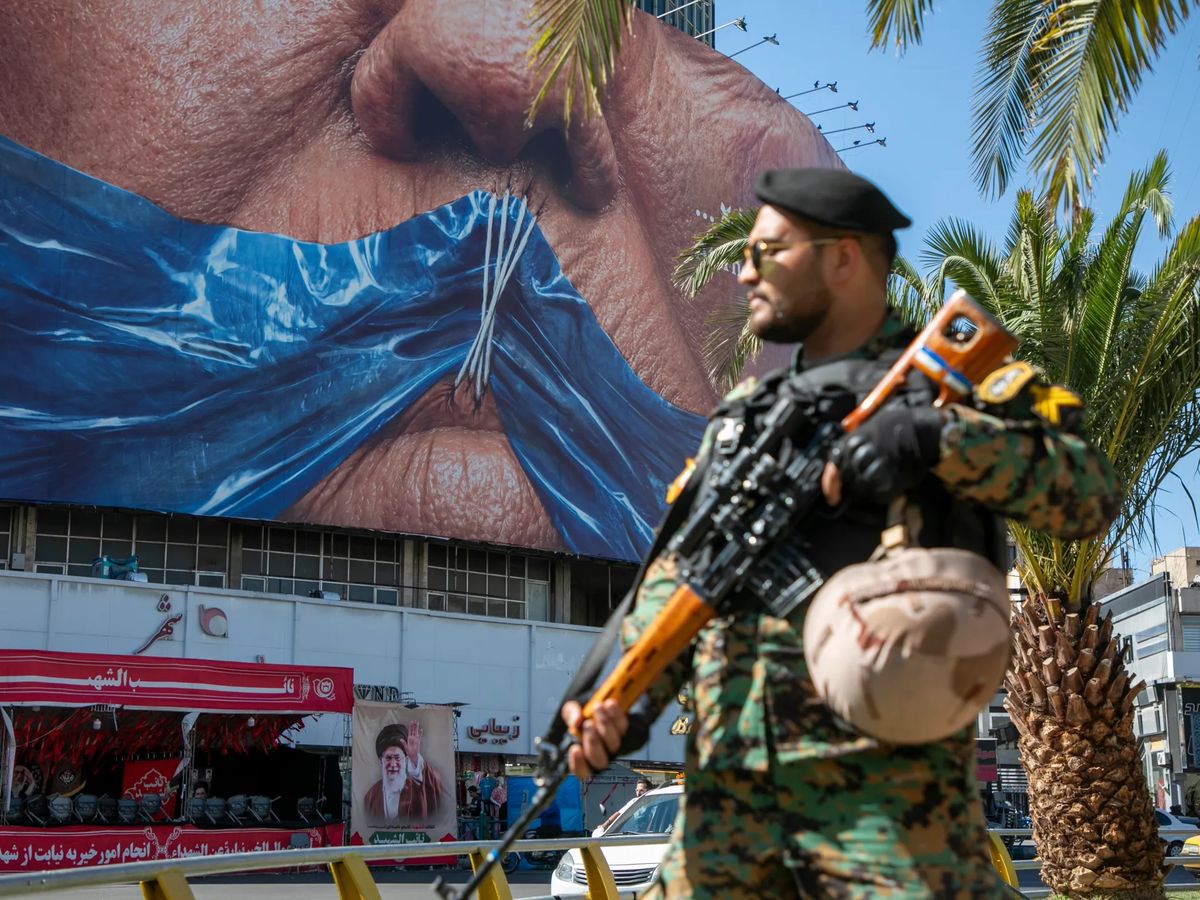
Iran's naval forces have controlled access to the 21-mile-wide strait since February 8, when Tehran declared a "security zone" extending 12 nautical miles from its coastline. The blockade followed escalating tensions after Israeli airstrikes targeted Iranian military installations in Syria on January 22, killing three Islamic Revolutionary Guard Corps commanders.
China and Russia Signal Opposition
This marks Bahrain's second attempt at the UN Security Council. China and Russia vetoed the first resolution on February 28 by a 13-2 margin, with both countries arguing the measure unfairly targeted Iran while ignoring what Moscow called "provocative actions" by regional powers. Chinese Ambassador Zhang Jun told reporters Tuesday that Beijing maintains "serious concerns" about the new draft, though he stopped short of promising another veto.
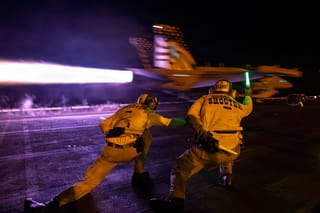
Russia's UN envoy Vasily Nebenzya indicated Moscow would likely block the resolution again, calling it "one-sided" and noting that Iran faces what he described as "legitimate security threats" from US naval forces stationed in the Persian Gulf. The US Fifth Fleet maintains approximately 7,500 personnel across bases in Bahrain, Kuwait, and the UAE.
The diplomatic offensive comes as peace talks between Iran and the US remain deadlocked after three rounds of indirect negotiations in Oman. Washington demands Iran dismantle its nuclear program and lift strait restrictions. Tehran counters with demands for $47 billion in war reparations, an end to US naval blockades of Iranian ports, and ceasefires on all fronts — including Lebanon, where Israel battles Iranian-backed Hezbollah.
Iran Rejects Compromise
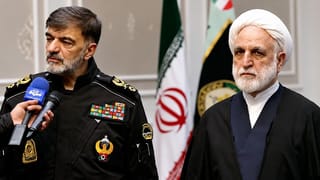
Iran insists any settlement recognize its sovereignty over the Strait of Hormuz — a demand Washington calls unacceptable under international maritime law. Iran's Deputy Foreign Minister Kazem Gharibabadi accused the US Tuesday of seeking capitulation rather than peace, saying Iran's demands represent "not maximum demands" but "the minimum requirements for any serious, sustainable arrangement."
True peace cannot be built with the language of humiliation, threat, and forced concession-taking
The standoff reflects a broader pattern of Iranian escalation across the Middle East. Tehran has expanded proxy operations in Yemen, Iraq, and Syria while accelerating uranium enrichment to 60 percent purity — just steps away from weapons-grade material. The International Atomic Energy Agency reported last week that Iran now possesses enough enriched uranium to produce four nuclear warheads if further processed.
Regional Powers Push Diplomacy
Regional allies are intensifying diplomatic efforts as the crisis deepens. Turkish Foreign Minister Hakan Fidan traveled to Doha Tuesday for talks with Qatari leaders, warning the strait must not be weaponized. Qatar's Prime Minister Sheikh Mohammed bin Abdulrahman bin Jassim Al Thani urged support for Pakistan's mediation efforts, saying "We do not support the resumption of war."
The Strait of Hormuz handles roughly 21 million barrels of oil daily — about 20 percent of global shipments — making its closure a direct threat to American energy security and the global economy. Iran's blockade has already sent Brent crude prices surging to $127 per barrel and disrupted supply chains worldwide. Lloyd's of London estimates daily shipping losses at $1.2 billion.
What Comes Next
The timing coincides with Trump's ongoing state visit to Beijing, where the Iran conflict dominates discussions with President Xi Jinping. How China positions itself on the March 15 Security Council vote could signal whether Beijing will prioritize its $25 billion annual trade relationship with Iran or global economic stability as tensions escalate.
If the resolution fails again, the US is expected to pursue a rarely-used "Uniting for Peace" procedure, moving the measure to the General Assembly where no vetoes apply. That process requires a two-thirds majority — precisely the level of support the current resolution has achieved.