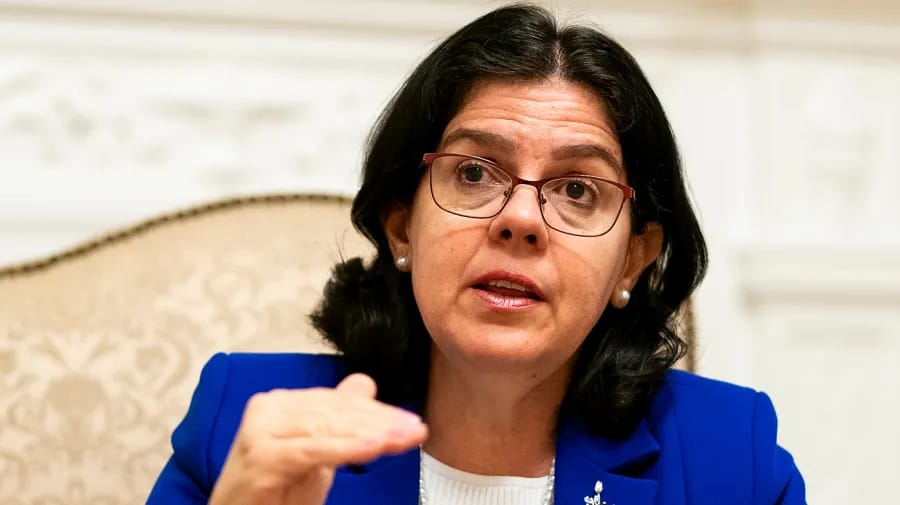
Cuba's chief diplomat in Washington warned President Trump that the communist island maintains strict red lines in stalled negotiations, revealing talks have made "no progress" as the nation prepares for a possible US invasion. Lianys Torres Rivera, Cuba's top representative in America, delivered the message during what she described as a critical 24-hour period for the Caribbean nation.
The warning comes as tensions escalate between Washington and Havana, with Cuba's fuel shortages worsening and diplomatic efforts failing to gain traction. Torres Rivera's comments represent the first detailed public response from Cuban leadership since Trump administration officials began discussing potential military options for the island nation just 90 miles from Florida's coast.
Stalled Negotiations Heighten Military Risk
The Cuban diplomat's stark assessment that negotiations have achieved "no progress" signals a dangerous deterioration in US-Cuba relations that began improving under previous administrations. Her reference to Cuba's "red lines" suggests the regime will not compromise on key issues including sovereignty, political system reforms, or strategic partnerships with US adversaries like Russia and China.
Cuba's defensive posture reflects growing alarm in Havana that Trump may resort to military action to resolve the Caribbean crisis that has left the island struggling with severe fuel shortages and economic collapse. The timing of Torres Rivera's warnings coincides with recent CIA Director John Ratcliffe's direct talks in Havana, which apparently failed to produce breakthrough agreements.
The diplomatic deadlock poses serious implications for American national security and regional stability. A US military intervention in Cuba would require substantial resources and troop deployments at a time when American forces face commitments in multiple global theaters, including ongoing tensions with Iran and complex negotiations with China.
Strategic Calculations Behind Cuban Defiance
Torres Rivera's defiant stance likely reflects calculations by Cuban leadership that Trump faces domestic and international constraints limiting his military options. The regime may be betting that American public opinion, congressional opposition, and alliance concerns will prevent direct military action despite Trump's previous threats.
However, Cuba's deteriorating economic situation weakens its negotiating position significantly. The island's inability to secure adequate fuel supplies has crippled daily life and industrial production, making the regime increasingly vulnerable to external pressure. Energy shortages have led to rolling blackouts, transportation disruptions, and growing public discontent that threatens the communist government's stability.
The diplomatic impasse also reflects broader geopolitical dynamics as Cuba maintains relationships with US rivals Russia and China. These partnerships provide the island with alternative sources of economic and military support, reducing incentives to accommodate American demands for political reforms or strategic concessions.
Cuban officials likely view any major concessions as existential threats to the regime's survival, explaining their willingness to risk continued confrontation with Washington rather than accept terms they consider unacceptable.
The failed negotiations highlight fundamental disagreements between the two nations over Cuba's political system, human rights practices, and international alignments. American demands for democratic reforms and reduced ties with adversarial nations conflict directly with Cuban leadership's core interests in maintaining power and sovereignty.
Torres Rivera's warning that Cuba is "bracing" for invasion suggests Havana is taking Trump's military threats seriously while simultaneously trying to deter such action through diplomatic channels. The next few weeks will test whether either side blinks first or if the standoff escalates toward military confrontation that could reshape Caribbean geopolitics for decades.