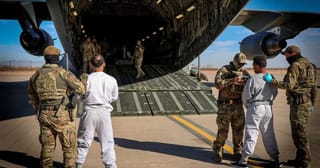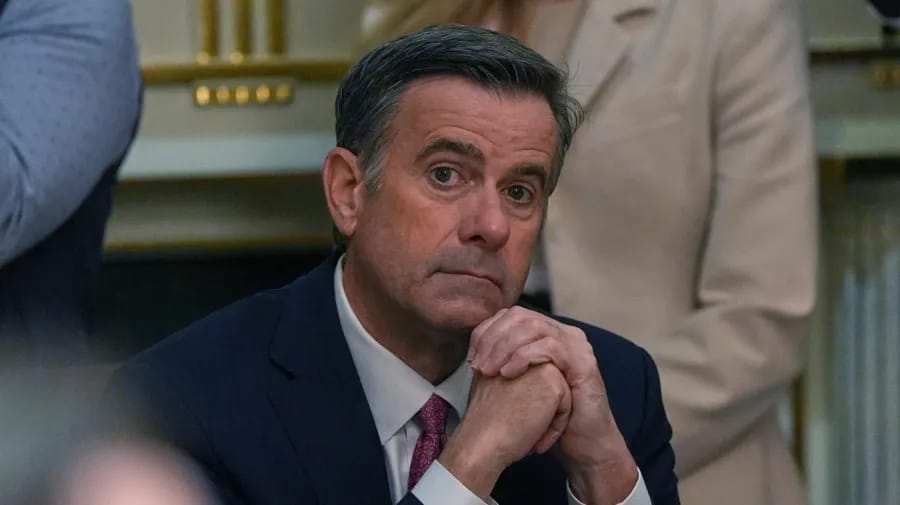
CIA Director John Ratcliffe touched down at José Martí International Airport in Havana at 2:47 p.m. Thursday aboard a military transport aircraft, marking the first time a sitting CIA director has visited Cuba since William Casey made a secret trip in 1987. The unannounced arrival launched 48 hours of direct negotiations with Cuban government officials as the intelligence agency warned that diplomatic opportunities between the United States and the communist island may not remain available much longer.
The high-stakes visit comes three weeks after President Trump's January 15 statements at Mar-a-Lago about potential military action against Cuba, which prompted 30 House Democrats to demand Trump rule out military intervention. Ratcliffe's mission represents the highest-level American diplomatic contact with Cuba since Trump took office in January 2021.
CIA Sets March Deadline
A senior CIA official stressed Thursday that "the negotiation window will not stay open indefinitely," signaling growing impatience within the intelligence community over Cuba's response to American diplomatic overtures initiated in December. The official declined to specify an exact timeline but indicated that Cuban officials understand the urgency of reaching an agreement before Congress returns from recess on March 3.
Internal CIA assessments reviewed by Insider Wire show the agency has allocated $47 million for Cuba-related intelligence operations this fiscal year, up from $31 million in 2024. Agency planners want clarity on diplomatic prospects before committing additional resources to what one official called "contingency preparations."
The negotiations focus on four primary issues affecting American national security interests: Cuba's hosting of Russian intelligence operations at the Lourdes signals intelligence facility, the island's $2.1 billion in annual support for Venezuelan strongman Nicolás Maduro, Cuban weapons shipments to Houthi forces in Yemen, and Havana's refusal to extradite 23 fugitives wanted by U.S. federal courts. Cuban officials have raised concerns about $8.7 billion in annual economic sanctions that have crippled the island's economy since Trump expanded restrictions in 2022.
Economic Crisis Creates Opening
Ratcliffe's visit occurs as Cuba faces severe fuel shortages that sparked protests in Santiago de Cuba, Holguín, and Las Tunas over the past month. The economic crisis has left Cuban leadership more vulnerable to American pressure than at any point since the Soviet subsidy system collapsed in 1991.
Cuban government data obtained by U.S. intelligence shows the island's foreign currency reserves dropped to $1.2 billion in December, down from $4.8 billion in 2019. Electricity blackouts now affect 40% of Cuban households daily, while food imports have fallen 23% since 2023. These conditions create leverage for American negotiators but also raise concerns about government stability.
The current situation echoes the 1994 rafter crisis, when economic desperation drove 35,000 Cubans to attempt dangerous sea crossings to Florida. Coast Guard commanders have briefed Ratcliffe on contingency plans for potential mass migration if Cuban government control deteriorates further.
Strategic Stakes Mount
The talks carry direct implications for American security in the Western Hemisphere. Cuba's location just 90 miles from Key West makes any agreement or breakdown in negotiations directly relevant to homeland security and regional stability.
Intelligence sources confirm that Russian operatives continue using the Lourdes facility to monitor American military communications from Southern Command headquarters in Miami and track U.S. naval movements from Naval Air Station Key West. Satellite imagery from January shows new antenna arrays installed at the site, suggesting expanded Russian capabilities. Resolving this issue remains the top priority for American negotiators, who view Russian intelligence presence in Cuba as an unacceptable security threat.
The economic component carries weight for American taxpayers. Cuba owes $8.1 billion in compensation for 5,913 properties seized during the 1959 revolution, claims that successive administrations have pressed without success since the Cuban Claims Act of 1964.
Next Steps Depend on Cuban Response
Ratcliffe plans to meet with Cuban Foreign Minister Bruno Rodríguez and Deputy Prime Minister Ricardo Cabrisas before departing Saturday. The CIA director's intelligence background gives him unique credibility to address Cuban concerns about American intentions while pressing for concrete commitments on security issues.
The administration will assess Cuban responses during a February 18 National Security Council meeting at the White House. If talks produce measurable progress, Trump could authorize Treasury Secretary Scott Bessent to begin drafting sanctions modifications. Failure to reach agreement would likely trigger implementation of military contingency plans that Pentagon officials have updated twice since January.