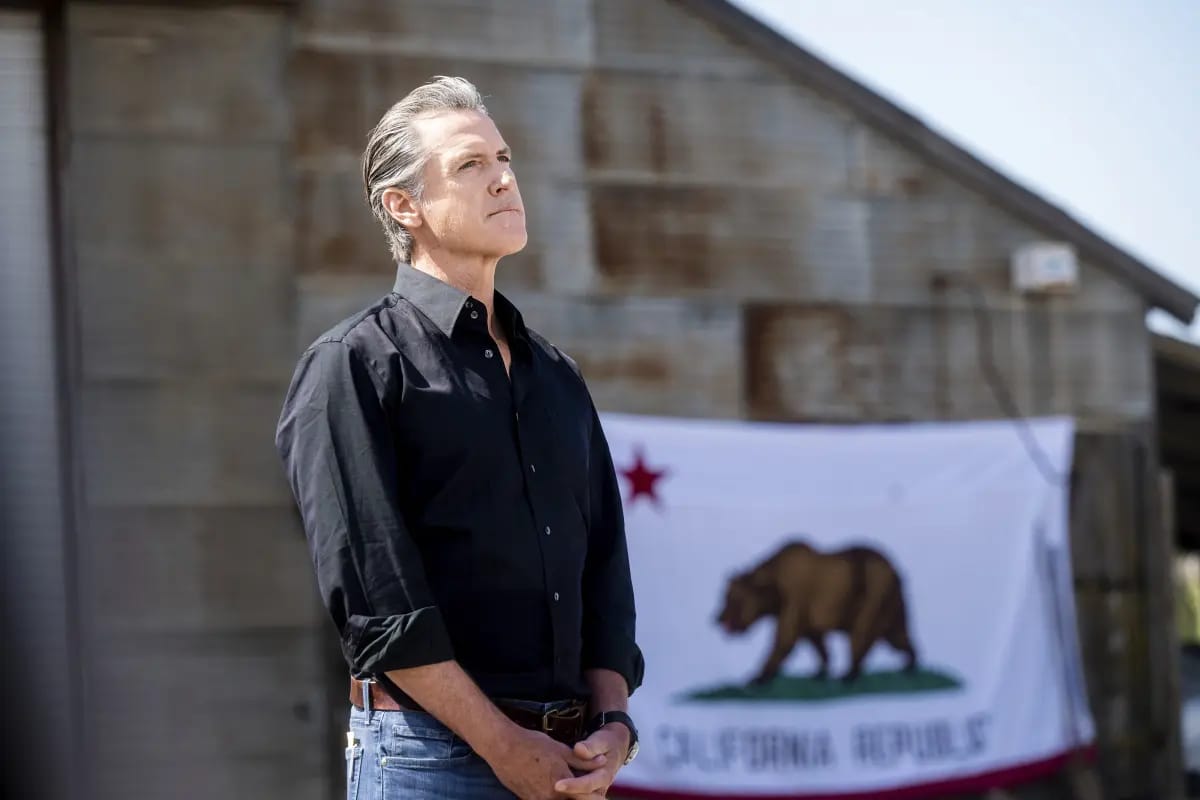
Gov. Gavin Newsom signed 21 bills Tuesday to limit federal immigration enforcement in California, including the first in the nation banning electroshock gloves and a 25 percent tax on private detention centers. The Department of Homeland Security said the laws won't affect how it conducts business.
The bill that drew the most attention, AB 2760 (Assemblymember LaShae Sharp-Collens, D-San Diego), bans local law enforcement agencies from possessing or using wearable electroshock devices. The law will take effect next year and sunset Jan. 1, 2030.
Democrats advanced the bill after ICE had awarded a no-bid contract for 6,000 pairs of the gloves for about 16.7 million. They're billed as delivering a shock at a lower voltage than a Taser and used as a pain compliance device. Sharp-Collens argued the devices were too new and untested to be deemed safe.
Most California law enforcement associations opposed the bill. Sacramento County Sheriff Jim Cooper, a Democrat and former state legislator, said the bill would provide deputies with an alternative to blows or a baton and accused the Legislature of banning anything the federal government was planning to implement.
Another bill, AB 1633 (Assemblymember Matt Haney, D-San Francisco), taxes operators of private detention facilities an amount equal to 25 percent of gross receipts each year, with the money funneled to pay for immigration services. A bill by Sen. Steve Padilla (D-San Diego) closes a property tax exemption that some facilities had been claiming.
The bill package also bans the use of state property for immigration-related activities, prohibits ICE agents with serious misconduct findings from being hired as California peace officers or state employees, and gives residents a private right of action to sue government officials, including federal agents, for alleged violations of the constitution.
Newsom also signed SB 1004, the revision of the mask ban he signed in September 2025.
A federal judge blocked the original law, SB 627, in February, saying it unconstitutionally targeted local and federal officers because it excluded state officers. A law requiring officers to display their identities was also blocked at the same time. The new bill expands the ban to state agencies, trying to fix that problem. New York was blocked this year from banning federal agents from wearing masks by a judge.
The same question of preemption applies to the shock glove ban, which in its language applies to federal agents doing work in the state.
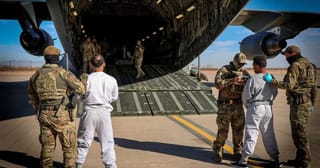
DHS said that enforcing immigration law is a federal responsibility and that the tax won't hinder ICE officers from deporting people. It said it constantly reviews what equipment officers require and any new technology is reviewed to ensure it complies with law enforcement standards. A spokesperson for the department said it would not follow what it called unconstitutional bans on masks.
White House spokeswoman Lauren Bis said Newsom has no control over federal law enforcement.
When DHS was questioned earlier by Democratic lawmakers to cancel the purchase of the gloves, it said the attempts to restrict safety gear for federal officers was an attempt to put officers in danger.
Newsom said the bill package strengthens transparency, accountability and oversight of immigration enforcement in California. His office noted in the announcement that California has no control over federal immigration policy, framing the bills as ones that govern state property, state resources, detention centers, public records and law enforcement.
The Justice Department has sued California over previous bills and it is expected to do the same with these.