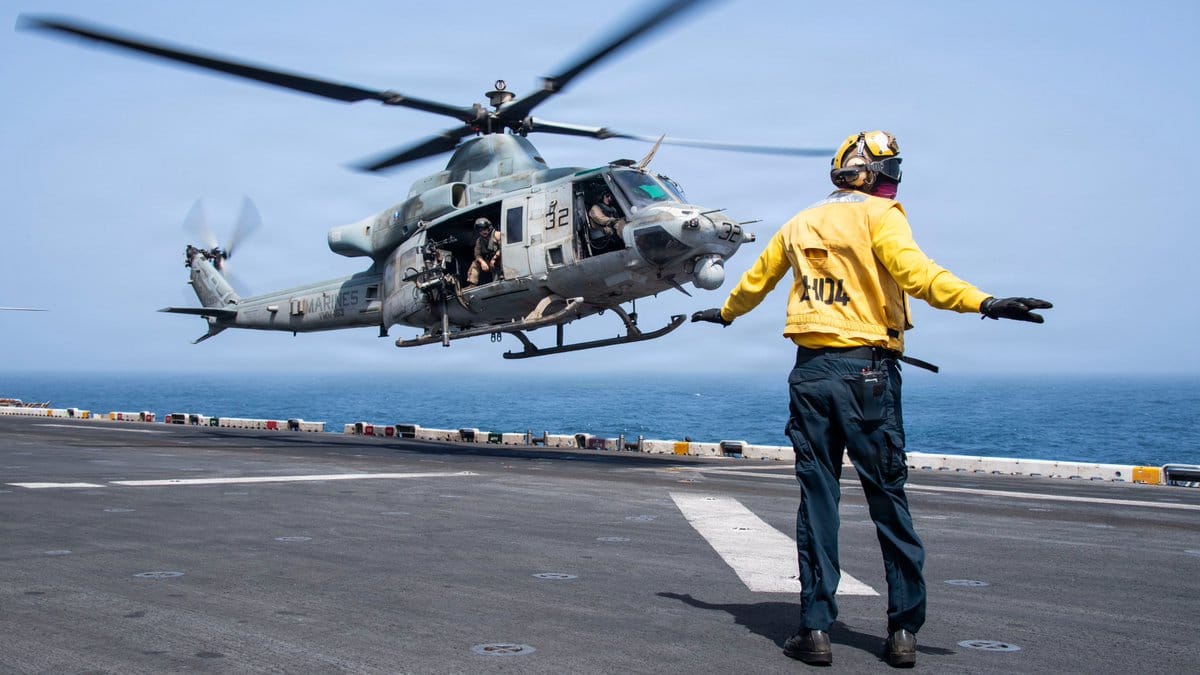
U.S. forces struck a range of Islamic Revolutionary Guard Corps (IRGC) military targets inside Iran on Sept. 1, hitting air defense systems, radar installations, maritime assets, mine-laying capabilities and communications sites, U.S. Central Command announced.
CENTCOM described the operation as a response to recent IRGC attempts to attack commercial shipping in the Strait of Hormuz and American service members in the region, noting that more than 50,000 U.S. personnel remain deployed across the Middle East and prepared to continue operations.
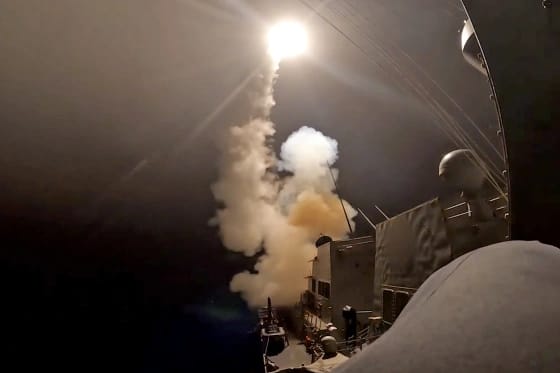
Iranian media reported explosions along the southern coast, including in Bandar Abbas, Qeshm Island and Sirik. Iranian officials separately alleged that a strike near a wedding gathering in Sirik County caused civilian casualties — a claim the U.S. military has not confirmed.
CENTCOM spokesperson Navy Capt. Tim Hawkins said the military was "looking into" reports that originated from Iranian state media. "The U.S. military never targets civilians, unlike the IRGC," he added. Iran later reported firing missiles toward U.S. and allied positions in the region, marking another escalation in the months-long conflict over the Strait of Hormuz.
The Kuwaiti Army issued new alerts Wednesday after Iranian missiles and drones entered its airspace; air defenses intercepted all incoming threats.
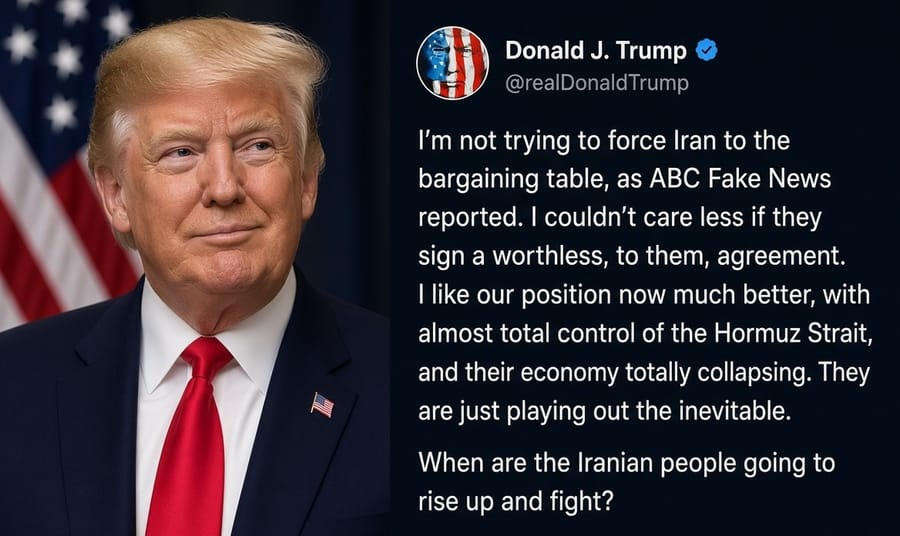
Trump said in a Truth Social post that he was not trying to "force Iran back to the bargaining table" with the strikes. "I like our position now much better, with almost total control of the Hormuz Strait, and their economy totally collapsing," he wrote. "They are just playing out the inevitable."
Speaking to reporters at the White House, Trump warned the U.S. was prepared to strike again. "It was a very heavy attack last night, and we're prepared to do another one any time we want," he said.
This is a developing story.