President Trump described potential arms sales to Taiwan as a "very good negotiating chip" in discussions with Beijing, signaling a transactional approach to the island's defense that breaks with decades of consistent U.S. military support.
Trump's comments mark a sharp departure from the traditional American stance of treating Taiwan arms sales as a strategic imperative rather than diplomatic leverage. The president's framing of weapons deals as bargaining tools raises questions about whether the U.S. will maintain its defense commitments to the democratic island of 23 million people.
Decades of Defense Policy at Stake
Since 1979, the Taiwan Relations Act has required the United States to provide Taiwan with defensive weapons necessary to maintain adequate self-defense capabilities. Previous administrations from both parties have treated these arms sales as non-negotiable security commitments, not items to trade away in broader diplomatic negotiations.
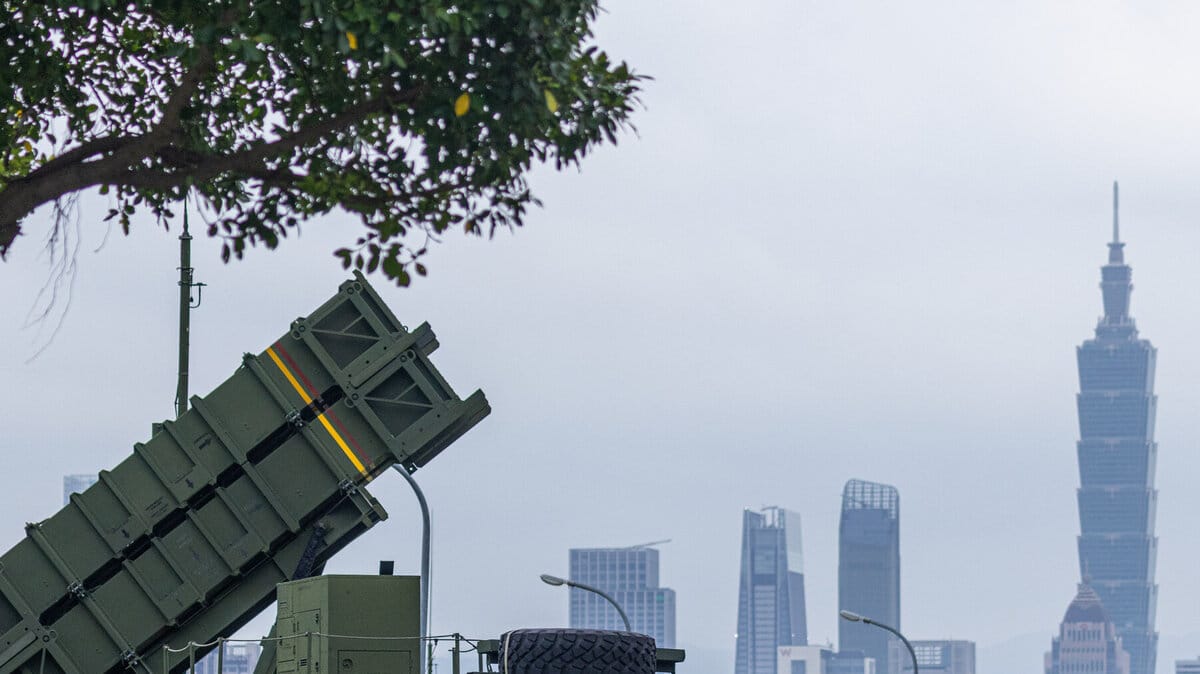
Taiwan currently faces mounting military pressure from Beijing, which has increased fighter jet incursions into Taiwan's air defense zone and conducted large-scale military exercises simulating an invasion. The island's defense depends heavily on American weapons systems, including F-16 fighter jets, Patriot missile systems, and naval vessels.
Trump's transactional framing comes as his administration pursues broader negotiations with China on trade and regional security issues. The president has already secured a 200-jet Boeing deal with China while warning Beijing against military action in the Taiwan Strait during recent diplomatic meetings.
Defense analysts worry that treating Taiwan arms sales as negotiating chips could embolden Chinese aggression. Beijing views Taiwan as a breakaway province and has never renounced the use of force to achieve reunification. Chinese President Xi Jinping has previously warned of potential "clashes and conflicts" over Taiwan during discussions with Trump.
Strategic Implications for U.S. Allies
The president's comments extend beyond Taiwan to broader questions about American alliance commitments across the Indo-Pacific region. Japan, South Korea, and the Philippines all depend on U.S. security guarantees to counter China's growing military assertiveness in the South China Sea and East China Sea.
Taiwan's strategic location controls key shipping lanes that carry $3.4 trillion in annual trade, including critical supplies of semiconductors that power everything from smartphones to military systems. The island produces 92% of the world's most advanced computer chips, making its security vital to American economic and national security interests.
Congressional Republicans and Democrats have historically supported robust Taiwan arms sales packages, viewing them as essential deterrents against Chinese military action. Recent arms deals have included $8 billion in weapons systems approved over the past two years, featuring advanced missile defense capabilities and anti-ship weapons.
Trump's willingness to treat these sales as bargaining chips could complicate future congressional approval for Taiwan weapons packages. Lawmakers may demand stronger guarantees that approved arms sales will actually proceed regardless of ongoing China negotiations.
The president's approach reflects his broader "America First" foreign policy philosophy, which emphasizes extracting concessions from allies and partners in exchange for U.S. security commitments. This strategy has already reshaped relationships with NATO allies and trading partners worldwide.
Taiwan will be watching closely as Trump continues talks with Beijing, particularly whether arms sales commitments survive broader diplomatic deal-making with China's leadership.