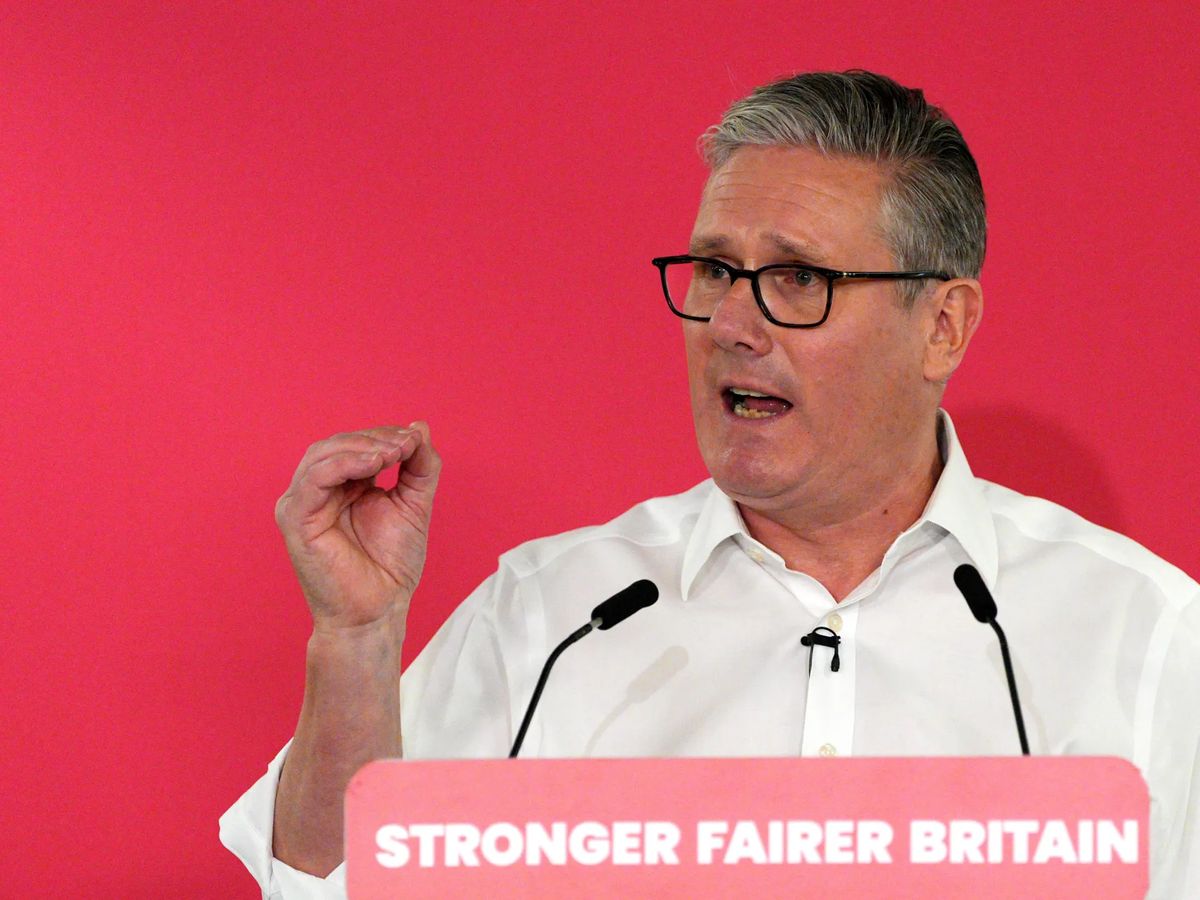
British Prime Minister Keir Starmer faces a fractured cabinet and mounting pressure to resign after Labour's catastrophic local election losses on Thursday, May 2nd, with Home Secretary Shabana Mahmood reportedly telling him during a heated Monday evening meeting at Number 10 to oversee a transition of power within the next six weeks.
The cabinet will convene at 9:30 AM Tuesday in Downing Street to discuss Starmer's future, as previously reported following the departure of six ministerial aides Monday. Foreign Secretary Yvette Cooper and Defence Secretary John Healey both held separate 90-minute crisis meetings with Starmer yesterday as backbench rebellion spread across Labour's 404-strong parliamentary party.
Election Disaster Triggers Leadership Crisis
Labour lost more than 1,400 seats across England and Wales in Thursday's local elections, surrendering control of the Welsh Senedd for the first time since devolution began in 1999. The party's vote share collapsed by 12 percentage points to just 28%, with gains flowing to Reform UK, which captured 318 council seats, and the Greens, who added 287 seats nationwide.
The devastating results have sparked calls for Starmer's removal less than ten months after Labour's July 2024 landslide victory ended 14 years of Conservative rule. Internal polling conducted by Labour headquarters shows the party trailing Reform UK by four points nationally, a dramatic reversal from their 33-point general election victory margin.
Chief Secretary Darren Jones told Sky News Monday morning that Starmer "was very clear yesterday that he will not be walking away," despite receiving a formal letter signed by 67 Labour MPs expressing no confidence in his leadership. The letter, delivered Sunday night, represents the largest internal revolt against a Labour prime minister since Tony Blair faced Iraq War protests in 2006.
Labour would never be forgiven for inflicting the chaos of constantly changing leaders on the country again
In Monday's defiant 20-minute speech from Downing Street, Starmer took responsibility for the "very tough" results but warned against repeating the Conservative Party's pattern of leadership instability between 2019 and 2024. He described Labour as "a mainstream party of power, not protest" while attacking Reform UK and the Greens for exploiting "despair that they exploit and amplify."
Historical Context and Stakes
The crisis echoes Labour's turbulent periods under Gordon Brown in 2009 and Jeremy Corbyn between 2016-2019, when internal divisions preceded electoral disasters. Unlike those episodes, Starmer faces rebellion while holding a commanding Commons majority, making the political stakes higher for party unity and governmental stability.
Labour's local election wipeout follows three damaging months that began with December's winter fuel allowance cuts affecting 11.4 million pensioners, continued through January's Gaza ceasefire vote splits, and culminated in February's Peter Mandelson ambassador appointment controversy. Starmer's personal approval ratings have plummeted from +23 in July 2024 to -31 in last week's YouGov polling.
Potential Successors Eye Leadership Contest
A Labour leadership challenge requires endorsement from 81 MPs - 20 percent of the party's 404-member Commons representation. Three names have emerged as potential challengers based on weekend shadow cabinet discussions:
Health Secretary Wes Streeting commands support among centrist MPs and trade unions, particularly after his successful NHS winter crisis management. Former Deputy PM Angela Rayner appeals to the party's left wing but faces complications from an ongoing HMRC tax investigation after admitting underpaying £3,500 in stamp duty on a 2015 flat sale.
Greater Manchester Mayor Andy Burnham polls strongest among Labour members at 34% support but would need to regain an MP seat before challenging. Burnham's path was complicated when Labour's National Executive Committee, including Starmer allies, blocked him from February's Gorton and Denton by-election. Rayner called this decision a "strategic mistake" in her Monday statement demanding leadership change.
What Happens Next
Tuesday's cabinet meeting will reveal whether Starmer retains support from key allies like Chancellor Rachel Reeves and Deputy Leader Angela Rayner. If more than five cabinet ministers express no confidence, constitutional experts expect Starmer would face impossible pressure to announce a transition timeline.
The next flashpoint comes Thursday when Parliament reconvenes for Prime Minister's Questions, where Conservative leader Kemi Badenoch will attempt to exploit Labour's divisions. A leadership contest would trigger automatically if 81 MPs submit letters to the Parliamentary Labour Party chair by Friday's 5 PM deadline.