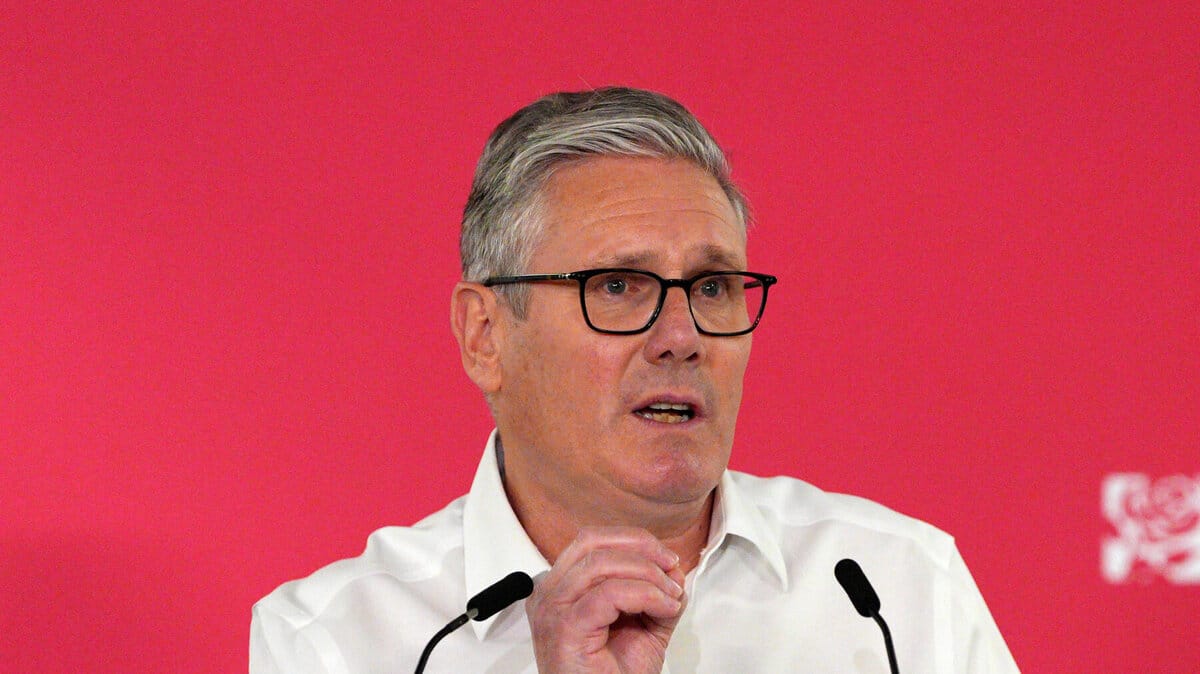
Prime Minister Keir Starmer faces the gravest threat to his leadership since Labour's July 2024 electoral victory, as 47 Labour MPs publicly demanded his resignation Tuesday while six senior government aides announced their immediate departures from Downing Street.
The coordinated assault on Starmer's authority began Monday evening when backbench MP Sarah Owen published a letter calling for new leadership, quickly followed by similar statements from MPs including Clive Lewis, Bell Ribeiro-Addy, and former shadow chancellor John McDonnell. By Tuesday afternoon, the rebellion had swelled to include nearly one-tenth of Labour's 412-member parliamentary caucus.
Among the departing Downing Street staff are Deputy Chief of Staff Morgan McSweeney's top aide, two senior policy advisers, the prime minister's deputy press secretary, and his parliamentary liaison coordinator. The resignations effective immediately create immediate operational gaps as Starmer attempts to navigate the most serious crisis of his premiership.
Crisis Spans Party Factions
The rebellion cuts across Labour's traditional divides, drawing support from the party's left wing, centrist MPs, and even allies of former leader Tony Blair. MPs from constituencies spanning Scotland, Wales, Northern England, and London have joined the calls for Starmer's departure, indicating discontent extends far beyond Westminster's factional boundaries.
Diane Abbott, the longest-serving Black MP in Parliament, added her voice Tuesday morning, stating Starmer had "lost the confidence of the parliamentary party." Her intervention carries particular weight given her status as a Labour veteran and her previous clashes with the current leadership over candidate selections and party discipline.
The simultaneous timing of resignation announcements suggests coordination among rebel MPs rather than spontaneous dissent. Multiple sources within the parliamentary Labour Party confirmed to Insider Wire that organizing efforts began last weekend, with WhatsApp groups and private meetings used to coordinate the pressure campaign.
Operational Paralysis Spreads
The staff exodus compounds Starmer's political troubles with immediate governance problems. Number 10's daily operations have been disrupted, with Tuesday's planned policy announcements postponed and Wednesday's Cabinet meeting moved from the traditional 10 Downing Street venue to the more secure Cabinet Office Briefing Room.
Treasury officials report difficulty coordinating with Downing Street on the upcoming Autumn Budget preparations, while the Foreign Office has delayed briefing papers pending clarification of the prime minister's authority. The operational disruption extends beyond Westminster, with Labour Party headquarters in Southside reportedly struggling to coordinate messaging as the crisis deepens.
Government sources indicate additional resignations may follow, with several remaining aides privately expressing doubts about Starmer's viability. The prime minister's approval ratings have plummeted to 23% in recent polling, down from 45% immediately following Labour's election victory four months ago.
Historical Precedent and Stakes
The current crisis echoes the final days of Liz Truss's premiership in October 2022, when cascading resignations and economic turmoil forced her departure after just 44 days in office. While Starmer has lasted longer than Truss, the pattern of coordinated pressure from his own party mirrors the dynamics that ended her tenure.
Labour's internal warfare threatens to undermine the party's massive 174-seat parliamentary majority, potentially creating space for Conservative leader Rishi Sunak to rebuild his opposition. The Conservatives have already tabled a no-confidence motion in Starmer's government, scheduled for debate Thursday in the House of Commons.
US Strategic Concerns Mount
Britain's political instability directly affects American strategic interests across the globe. The UK provides the largest intelligence-sharing partnership for the United States, contributes $68 billion annually to NATO's collective defense spending, and maintains 8,500 troops in joint operations from Estonia to the Persian Gulf.
State Department officials have privately expressed concerns about continuity in British foreign policy, particularly regarding the $3.2 billion annual aid package to Ukraine and coordination on China containment strategies in the Indo-Pacific. Economic uncertainty has already weakened the pound by 4.2% against the dollar this week, affecting American investors holding British assets.
Next 48 Hours Define Starmer's Fate
Thursday's confidence vote will test whether Starmer retains sufficient support to survive, though Labour's parliamentary majority makes government defeat unlikely. More dangerous for the prime minister is Saturday's emergency meeting of Labour's National Executive Committee, where party officials could trigger a leadership contest.
Key figures to watch include Deputy Prime Minister Angela Rayner, whose continued support appears essential for Starmer's survival, and Chancellor Rachel Reeves, who has remained publicly silent since the crisis began. Their positions will likely determine whether this political storm passes or becomes terminal for Starmer's leadership.