Six months ago, the United States and Israel began striking Iran. At the time, the central questions were military ones: how quickly Iranian air defenses could be degraded, how much damage could be inflicted on Tehran’s missile and nuclear infrastructure, how Iran would retaliate, and whether the confrontation would expand into a wider regional war.
Six months later, the conflict has not produced the rapid conclusion many expected. Iran has survived the initial shock, the Strait of Hormuz remains central to the confrontation, diplomatic efforts have repeatedly stalled, and neither Washington nor Tehran appears prepared to make the concessions necessary to end the war. Instead, the conflict is entering a different phase. Increasingly, the most important weapons may not be aircraft, missiles or naval vessels, but sanctions, banks, oil flows and access to the U.S. dollar.
That transition became particularly visible at the six-month anniversary.
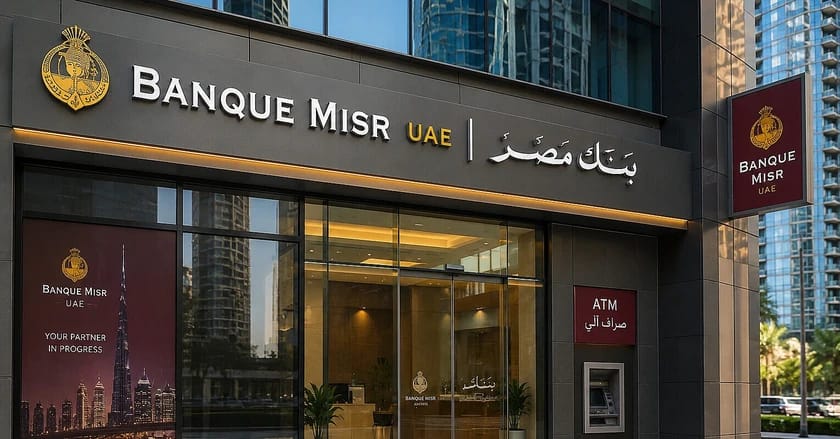
On August 28, the U.S. Treasury targeted the United Arab Emirates branches of Banque Misr, one of Egypt’s largest financial institutions, accusing them of processing roughly $1.8 billion for more than 100 companies linked to Iran’s shadow banking system. The proposed action would cut those branches off from U.S. correspondent banking and dollar transactions. Egypt’s central bank stressed that the measures apply only to Banque Misr’s UAE operations, but the broader message from Washington was unmistakable: institutions outside Iran can also pay a substantial price for facilitating Iranian finance.
This is an important evolution in the conflict.
For years, sanctions against Iran have focused heavily on Iranian companies, government officials, military organizations, shipping networks and oil exports. The current strategy goes further by targeting the financial infrastructure that allows those sanctioned entities to continue operating. Treasury has already described its campaign as an effort to disrupt Iran’s ability to generate, move and repatriate revenue, while warning that foreign financial institutions facilitating Iranian commerce may themselves become targets.
In other words, Washington is attempting to make doing business with Iran progressively more expensive and dangerous.
That may prove especially important because the military campaign has demonstrated the limits of kinetic power alone. Iran has sustained major losses, but it has not capitulated. Earlier U.S. intelligence assessments concluded that Tehran could withstand the economic effects of the blockade for months, while repeated diplomatic initiatives have failed to produce a durable settlement. A proposed ten-day ceasefire in July was another attempt to restart negotiations, but by late August talks remained deadlocked.
Iran is nevertheless showing signs of economic strain.
President Masoud Pezeshkian said foreign trade has fallen by 35 percent as a result of sanctions and the blockade, while Iranian leaders have increasingly acknowledged the economic hardship facing the country. Concern over domestic cohesion has also become more visible as the government tries to prevent economic pressure from becoming political instability.
This may help explain why the Treasury Department is assuming a larger role in the conflict.
The objective is no longer simply to destroy Iranian military capabilities faster than they can be rebuilt. Washington is also trying to restrict the money required to rebuild them.
That strategy creates another problem, however: energy.
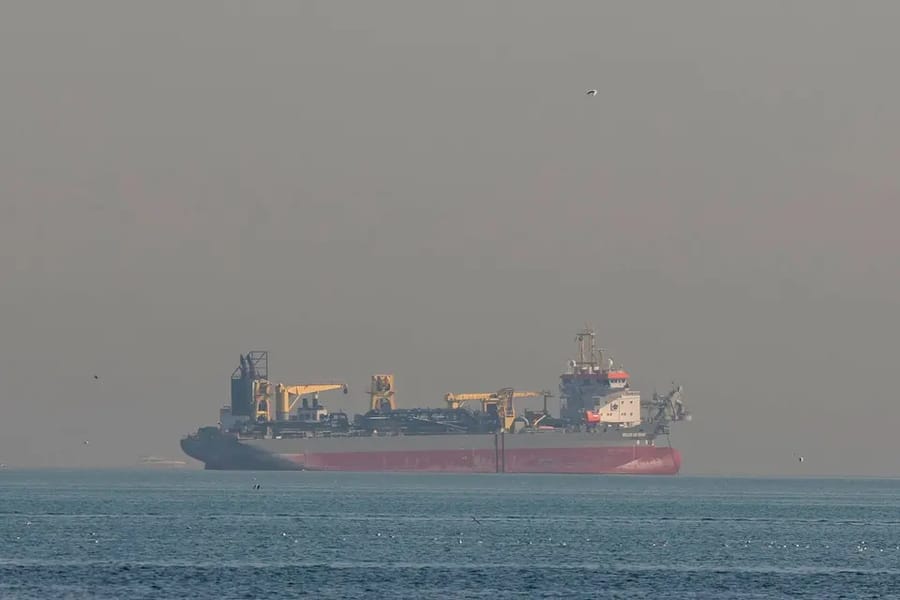
The Strait of Hormuz has historically carried roughly one-fifth of global energy flows, and disruption surrounding the waterway has affected oil markets throughout the war. Crude prices have fallen from their earlier wartime highs, but the global energy system remains vulnerable. Emergency petroleum reserves have been heavily drawn down, alternative export routes have limited capacity, and analysts continue to warn that renewed disruption could push prices substantially higher.
Washington therefore faces a difficult equation.
The harder it squeezes Iran’s oil revenue and access to international markets, the greater the potential pressure on global energy supplies. Higher gasoline prices, inflation and economic disruption can eventually weaken domestic support for a prolonged conflict.
That makes another development on the six-month anniversary particularly interesting.
President Donald Trump announced a sweeping agreement with Venezuela involving access to more than 65 billion barrels of Venezuelan oil reserves. Under the announced arrangement, a new private-sector structure would develop 17 Venezuelan oil fields while giving the United States a majority operational stake. The agreement remains ambitious and would require enormous investment, and significant production increases could take years rather than months. Still, its strategic implications are difficult to ignore.
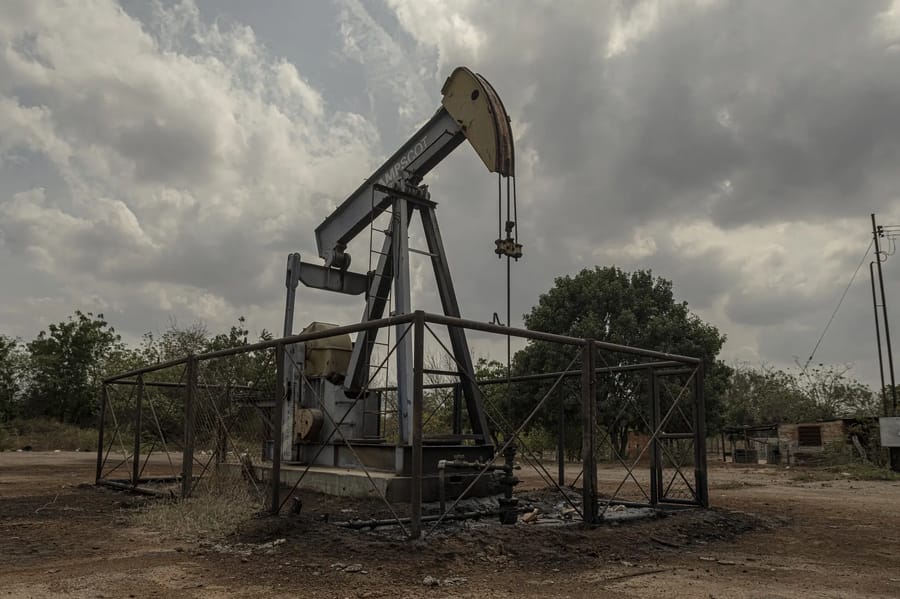
Venezuelan oil cannot immediately replace disrupted Gulf supplies. But over the longer term, expanding access to alternative reserves could give Washington greater freedom to pressure oil-producing adversaries without exposing the American economy to the same degree of energy risk.
The military and economic strategies are therefore beginning to converge.
The United States can attack Iran’s weapons infrastructure. Treasury can attack the financial system that pays for its reconstruction. Restrictions on oil exports can reduce government revenue. Alternative sources of energy can potentially reduce the economic consequences of maintaining that pressure.
If successful, the strategy could make the war increasingly difficult for Tehran to sustain even without a decisive military victory.
There is, however, a major obstacle: China.
Beijing remains deeply involved in Iran’s economic lifeline, particularly through oil purchases and financial networks. Washington has already targeted entities in China and Hong Kong, but imposing severe penalties on major Chinese institutions would carry risks far beyond Iran. It could collide with broader U.S.–China trade negotiations and transform a Middle Eastern economic campaign into a confrontation between the world’s two largest economies.
That may become the defining question of the next phase of the war.
It is one thing to sanction Iranian banks or smaller intermediaries. It is another to tell major international financial institutions that they must choose between commerce with Iran and access to the dollar-based financial system.
Banque Misr may therefore matter less because of the individual bank involved than because of the precedent it represents.
Six months into the war, Washington increasingly appears to be trying to defeat Iran not only by destroying what it can hit, but by making the Iranian state progressively harder to finance.
The first six months were dominated by missiles, aircraft, naval operations and the Strait of Hormuz.
The next six may increasingly be fought in banks, shipping companies, oil markets and Treasury offices.
And unlike an airstrike, that kind of war does not necessarily require a clear beginning or end.