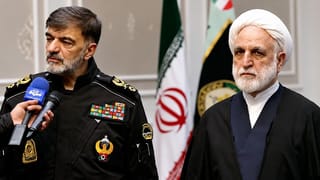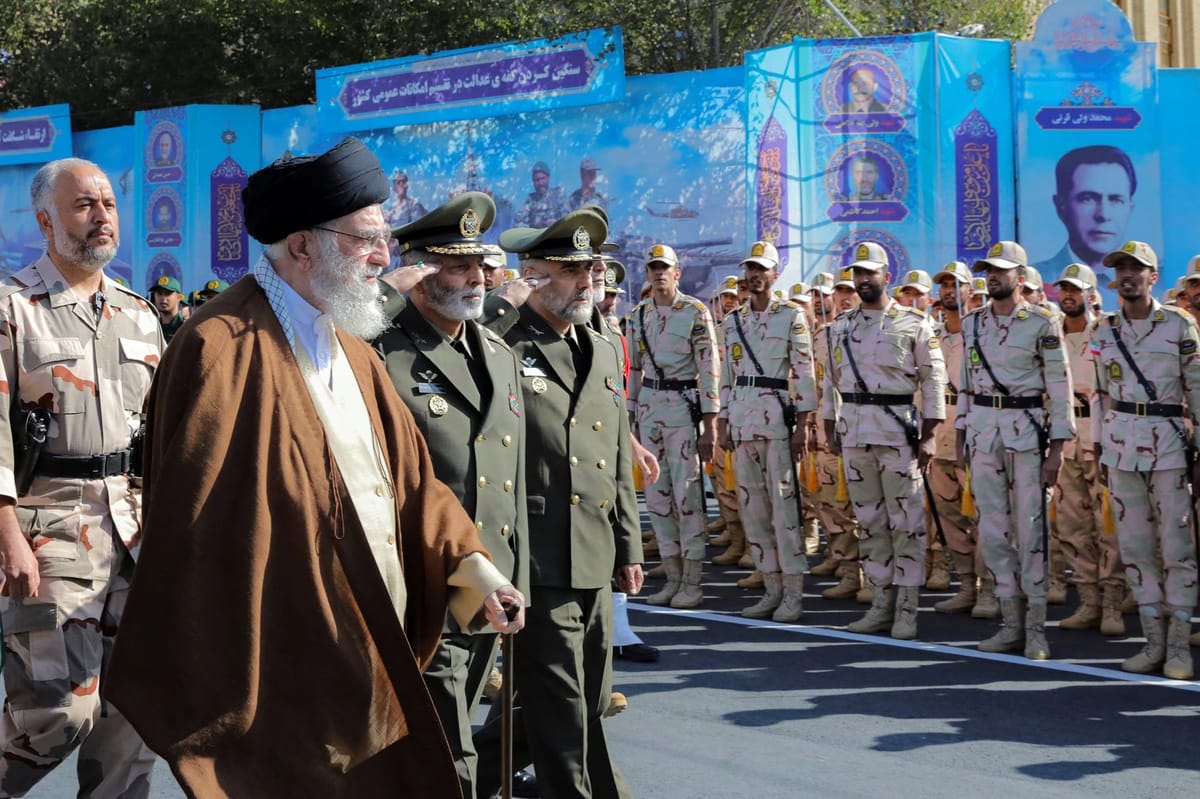
Iran's latest military reshuffle may look, at first glance, like another sign that Tehran is preparing for a prolonged war. Supreme Leader Mojtaba Khamenei has formally appointed six senior commanders across the country’s military establishment, including Ali Abdollahi as chief of the Armed Forces General Staff and Ahmad Vahidi as commander-in-chief of the Islamic Revolutionary Guard Corps. The appointments come after months of U.S. and Israeli strikes killed senior Iranian commanders and forced Tehran to operate with an improvised wartime leadership structure. Yet the reshuffle may reveal something more complicated than preparation for escalation. Iran appears to be reorganizing for a war it hopes to end, while ensuring it can survive if diplomacy fails.
Abdollahi’s appointment is particularly significant. Before becoming chief of the General Staff, he commanded the Khatam al-Anbiya Central Headquarters, an organization responsible for coordinating operations across Iran’s armed forces. Moving him into the country’s highest uniformed position suggests that Tehran wants to improve coordination between the regular military, the Revolutionary Guard and other elements of its security structure. Months of combat have exposed the weaknesses of a system built around overlapping chains of command and competing institutions. Iran is not simply replacing commanders who were killed. It appears to be taking lessons from the war and trying to build a command structure better suited for sustained military pressure.
Vahidi’s appointment carries a different message. He had already been functioning in the Revolutionary Guard’s leadership structure, but his formal elevation strengthens the organization at a moment when the IRGC remains central to Iran’s missile operations, regional influence and control of the Strait of Hormuz. Iran is effectively signaling that the Revolutionary Guard will remain at the center of its national defense strategy even if a ceasefire eventually ends large-scale fighting. The appointment does not necessarily indicate an imminent offensive. Instead, it institutionalizes the wartime leadership that emerged after Iran lost much of its previous senior command structure.
The reshuffle also extends beyond the battlefield. The selection of experienced security figures for positions connected to the Basij and internal security suggests that Tehran is concerned about domestic stability as well as foreign attack. A prolonged war creates economic pressure, political frustration, intelligence vulnerabilities and the possibility of unrest. Iran therefore has to defend itself in two directions: against American and Israeli military pressure from outside, and against instability within the country. That combination helps explain why the leadership is strengthening military coordination and internal security at the same time.
The War Has Entered a Different Phase
This is happening while the war itself has entered a strange phase. The United States and Iran continue to exchange threats and occasional military actions, yet both sides are also supporting diplomatic efforts aimed at ending the conflict. Iran and Oman have spent weeks negotiating arrangements for shipping through the Strait of Hormuz, and Tehran recently described those discussions as being in their final stages. Qatar and other regional mediators have also pushed for de-escalation. At the same time, Iran insists that the Strait will remain restricted unless the United States meets political and economic conditions, including ending the war and releasing frozen Iranian assets.
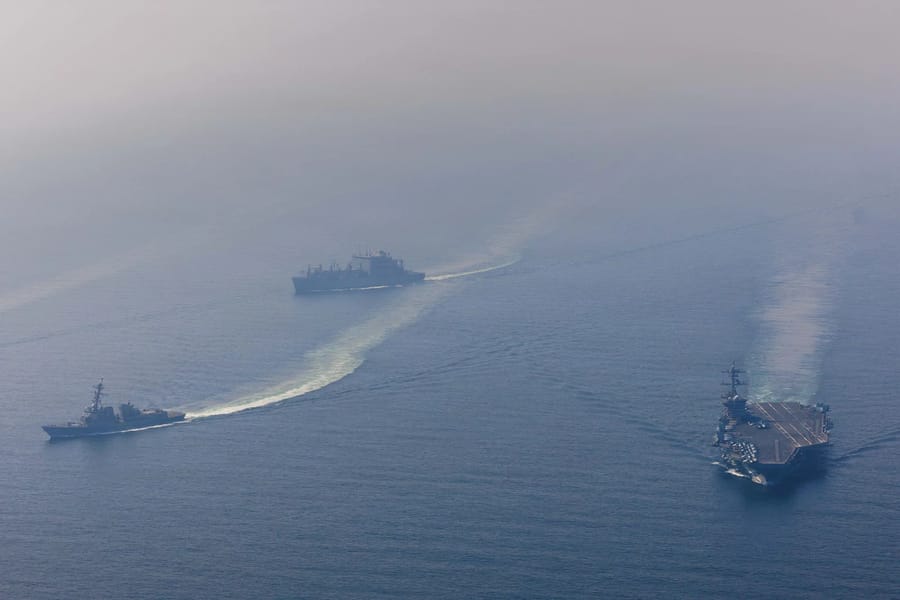
The result is something resembling violent negotiation. Neither side appears eager to return to the sustained level of direct strikes seen during earlier stages of the war, but neither side is willing to stop applying pressure. Washington continues its maritime blockade and enforcement operations. Iran continues to use Hormuz as leverage. Iran-aligned Houthi forces remain active around another critical shipping route near the Bab el-Mandeb Strait. Diplomats discuss an exit while military forces continue creating new reasons for retaliation.
Everyone Needs a Victory Before Peace
This creates the most dangerous problem facing both governments: the war may have reached a point where ending it requires each side to prove that it did not lose.
Iran cannot simply reopen the Strait of Hormuz, stop fighting and return to the situation that existed before the conflict. Tehran has suffered major military losses and significant damage. Its government must be able to tell the Iranian population that those sacrifices produced something tangible. Control over shipping, sanctions relief, access to frozen funds or political concessions can all be presented as evidence that Iranian resistance forced Washington to negotiate.
The United States faces the same political calculation from the opposite direction. After months of military operations, Washington cannot easily accept an agreement that appears to reward Iran for closing one of the world’s most important shipping routes. Any deal that looks like Tehran used military force to extract concessions could be portrayed as an Iranian victory. This is why negotiations increasingly involve questions beyond simply stopping the shooting. Compensation, sanctions, frozen assets, shipping rights and regional conflicts are being drawn into the bargaining process.
That expansion of demands is dangerous. Ending wars often becomes easier when negotiators separate immediate military issues from larger political disagreements. A limited arrangement could halt attacks, reopen Hormuz and suspend the U.S. blockade while allowing disputes over sanctions, regional influence and Iran’s nuclear program to be negotiated later.
Instead, the current conflict risks becoming trapped in a downward spiral in which every new concession requires another concession in return. The longer the bargaining list becomes, the greater the chance that negotiations fail because of an issue unrelated to the immediate fighting.
The Biggest Threat May Be a Single Mistake
There is still reason for cautious optimism. Direct U.S.-Iranian military activity has decreased from the intensity seen during earlier stages of the conflict, and both governments have repeatedly continued negotiations even after new rounds of violence. Mediators have repeatedly proposed temporary ceasefires, while negotiations over Hormuz have continued despite military incidents.
That suggests the war has moved from a primarily military phase into a coercive bargaining phase. The objective is increasingly not to destroy the opponent, but to create enough pressure to improve the final negotiating position.
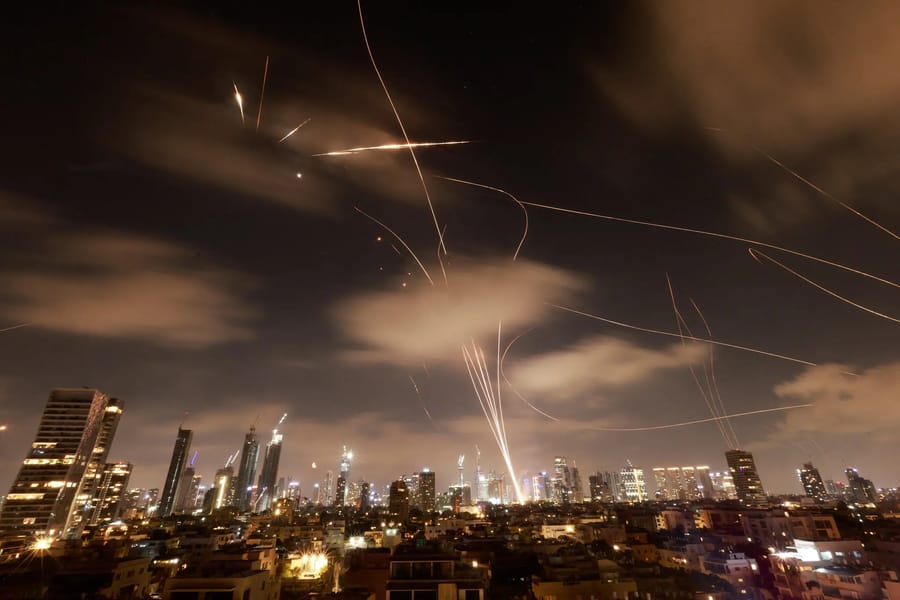
The greatest threat now may therefore be miscalculation rather than deliberate escalation. One missile striking a U.S. installation and causing heavy casualties could trigger a major American retaliation. Iran would then face pressure to respond. Another round of attacks could quickly destroy weeks of diplomatic progress.
Iran’s military reshuffle should be viewed through that lens. Tehran is preparing for the possibility that negotiations fail while simultaneously strengthening its position before a potential settlement. The new commanders are not necessarily evidence that Iran has chosen endless war. They may instead be evidence that Iranian leaders understand how uncertain the next stage has become.
Everyone may increasingly want this war to end. The problem is that Washington and Tehran are still trying to win the final round before admitting that it is time to stop fighting. That is what makes the current phase both hopeful and extraordinarily dangerous.