Britain announced Tuesday it will deploy military assets for a defensive mission in the Strait of Hormuz, but Prime Minister Keir Starmer's refusal to join the U.S. in Operation Epic Fury against Iran has exposed uncomfortable truths about the UK's military readiness.
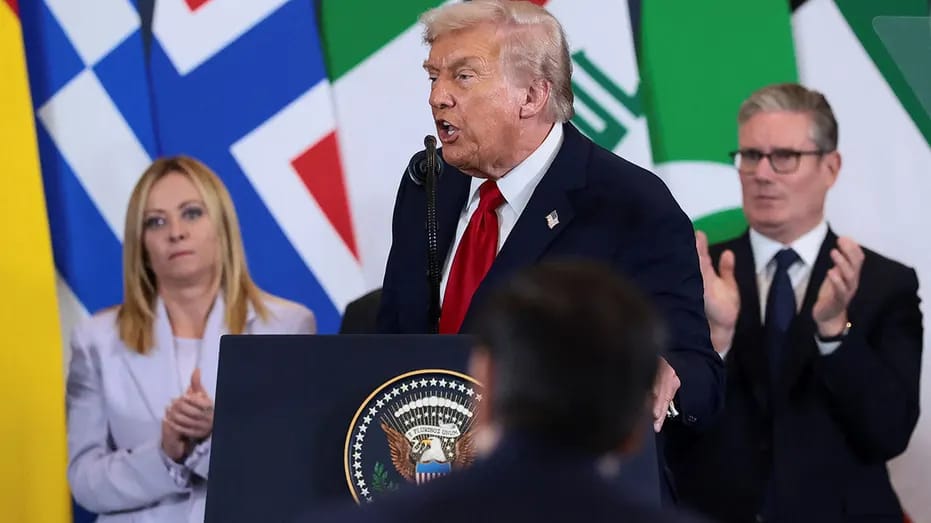
President Donald Trump has dismissed Starmer as "no Churchill" and criticized British reluctance to support the Iran offensive. In a recent Sky News interview, Trump complained about the lack of British alignment: "When we asked them for help, they were not there. When we needed them, they were not there... And they still aren't there."
Military Capacity Questions
Two recent reports suggest Britain's hesitation may stem from military limitations rather than just political opposition. Matthew Savill, director of military sciences at the Royal United Services Institute, wrote in a report titled "Iran War Delivers a Tough Lesson in Hard Power to the U.K." that the conflict has raised questions about Britain's international relevance.
The outbreak of a new war in the Middle East has led to questions about the U.K.'s relevance in international affairs. Alongside debates about legality and politics, there are some hard truths about military power and the reality of the readiness of the U.K.'s armed forces.
Trump also targeted British naval capabilities during a White House meeting in March, mocking the fleet's readiness. "We had the U.K. say that, 'We'll send our aircraft carriers,' which aren't the best aircraft carriers, by the way," Trump said according to Sky News. "They're toys compared to what we have."
The criticism comes as Trump weighs his Iran strategy amid pressure from allies and domestic political considerations. Britain's defensive-only approach to the Strait of Hormuz mission represents a compromise that attempts to support freedom of navigation without committing to offensive operations.
Alliance Implications
The UK's limited military response highlights broader questions about NATO burden-sharing and allied capabilities in major conflicts. Savill's report notes that "pressure is growing for the deployment of more U.K. forces to the region and direct involvement in strikes, but the government will need to answer difficult questions about prioritization and the effect that it might be trying to achieve."
For American taxpayers already funding the bulk of the Iran operation, Britain's capacity constraints mean the U.S. will continue shouldering the heaviest military and financial burden. The defensive mission in the Strait of Hormuz, while strategically important for global shipping, falls short of the combat support Washington sought from its closest ally.
The Britain-U.S. tensions over Iran reflect deeper questions about whether European allies can meaningfully contribute to major military operations or remain dependent on American power projection capabilities.