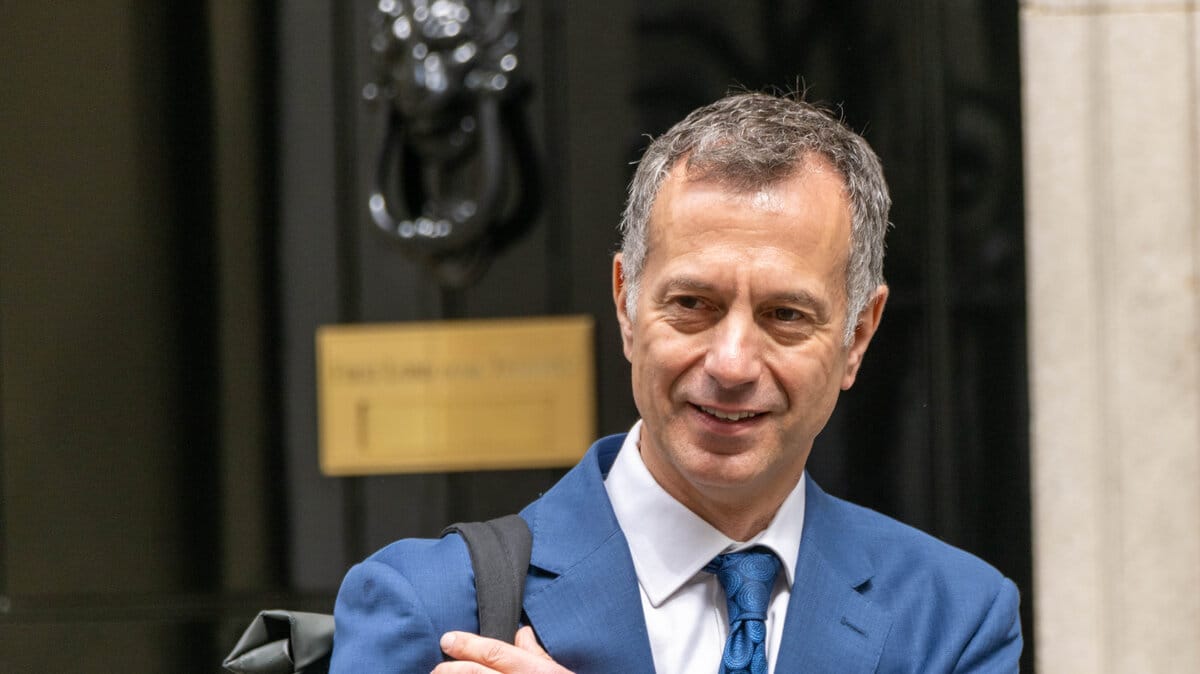
A British expert told Australia's Royal Commission into Antisemitism on Tuesday that governments must formally define antisemitism before they can develop effective policies to combat the rising tide of hatred targeting Jewish communities across the globe.
The testimony came during the commission's third week of hearings in Melbourne, where the inquiry has been examining incidents that surged 738% in Australia between October 2022 and October 2023, according to data presented to commissioners. The British witness, appearing via video link from London, explained how modern antisemitism builds directly on centuries-old stereotypes and tropes about Jewish people, making clear definitions essential for law enforcement and policymakers.
The expert pointed to the International Holocaust Remembrance Alliance working definition, adopted by 31 countries including the United Kingdom in 2016, as a framework that has enabled British authorities to prosecute 1,200 antisemitic hate crimes over the past two years. Without such clarity, the witness testified, police and prosecutors struggle to distinguish between legitimate criticism and hatred that crosses legal boundaries.
Old Hatred, New Platforms
The commission heard detailed testimony about how traditional antisemitic narratives have found new life in digital age propaganda and conspiracy theories. These same tropes that fueled persecution from medieval Europe through Nazi Germany now spread rapidly through platforms like Telegram, X, and TikTok, reaching broader audiences than ever before.
Evidence presented to the three-member panel, led by retired Federal Court Justice Robert French, showed antisemitic content increased by 400% on major social media platforms following the October 7, 2023 Hamas attacks on Israel. The inquiry documented how conspiracy theories about Jewish control of media and finance—recycled from 19th-century propaganda—now circulate through encrypted messaging apps and gaming platforms frequented by young Australians.
Commissioner Jillian Segal questioned witnesses about the challenge of addressing antisemitism without restricting legitimate political debate about Israeli government policies. The British expert testified that proper definitions help authorities focus on content that dehumanizes Jewish people or promotes violence, rather than policy criticism.
International Pattern of Growing Concern
The inquiry reflects growing international alarm about antisemitism across Western democracies. In the United States, the FBI recorded 1,832 antisemitic hate crimes in 2022—a 37% increase from the previous year and the highest total since the bureau began tracking such data. Federal courts have recently grappled with balancing free speech protections against the need to combat religious hatred, as seen in ongoing litigation over campus antisemitism at Harvard, MIT, and the University of Pennsylvania.
Australia joins several other nations in conducting formal inquiries into antisemitism. The European Union adopted the IHRA definition in 2017 and allocated €24 million for antisemitism prevention programs. The United Kingdom's parliamentary inquiry in 2019 led to new police training protocols and prosecution guidelines. Canada's House of Commons passed a unanimous motion in 2021 recognizing the IHRA definition after documenting a 47% spike in antisemitic incidents.
The royal commission's work takes on added urgency as Jewish communities report feeling increasingly unsafe. Recent incidents documented in testimony include the October 2023 firebombing of the Adass Israel Synagogue in Melbourne, harassment campaigns targeting Jewish students at the University of Sydney, and vandalism of 47 Jewish businesses and cultural centers across six states since December.
What Comes Next
The royal commission continues taking testimony through March 2024, with hearings scheduled in Sydney, Brisbane, and Perth. Commissioners plan to examine police response protocols, social media regulation, and education initiatives before delivering final recommendations to Parliament by June 30, 2024.
For American policymakers, Australia's findings could provide a roadmap for addressing domestic antisemitism while respecting First Amendment protections. The commission's recommendations may influence how U.S. federal agencies approach hate crime enforcement under the Matthew Shepard and James Byrd Jr. Hate Crimes Prevention Act, particularly regarding online antisemitic content.
The inquiry's next phase will focus on university campus incidents, with testimony from student groups and administrators scheduled for February. Education Minister Jason Clare is expected to testify about federal funding conditions for universities that fail to protect Jewish students from harassment and discrimination.