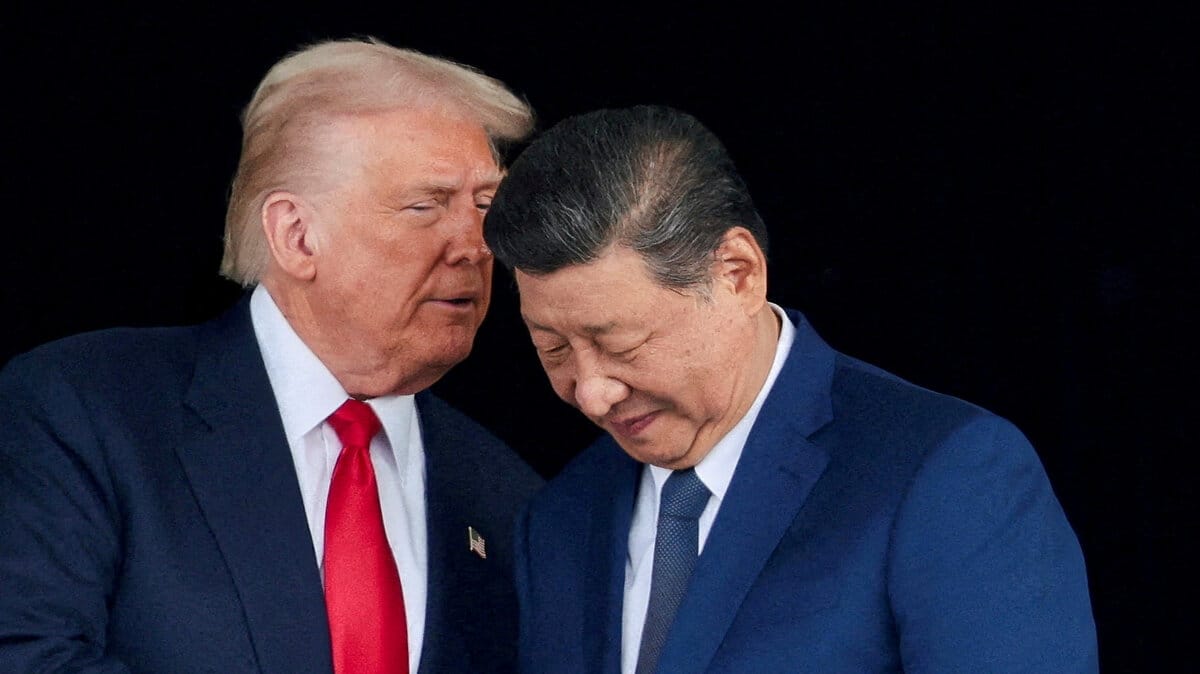
President Donald Trump's planned summit with Chinese leader Xi Jinping in Beijing collapsed after Trump authorized joint military strikes with Israel against Iran, forcing a postponement of negotiations that were meant to resolve the $400 billion annual trade deficit between the two economic superpowers.
The White House confirmed on February 20 that Trump would travel to Beijing on March 15-17 for three days of high-stakes negotiations with Xi at the Great Hall of the People. Trade disputes dominated the 47-point agenda as both nations sought to end their two-year economic standoff that had imposed $250 billion in tariffs on Chinese goods and $110 billion in retaliatory duties on American exports.
Iran War Changes Everything
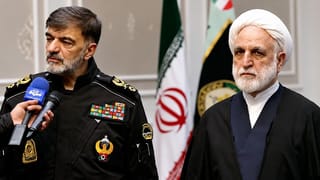
One week after the Beijing announcement, on February 27, Trump greenlit Operation Desert Storm II — joint strikes with Israeli forces against 23 Iranian military installations across three provinces. The coordinated assault targeted Revolutionary Guard facilities in Khuzestan, Isfahan, and Bushehr, launching a new Middle East conflict that sent Brent crude oil prices surging 18% to $89 per barrel within hours.
Beijing watched with alarm as the military action threatened to destabilize global energy markets and complicate China's $14 billion annual oil imports from Iran. Chinese Foreign Ministry spokesman Wang Yi issued an emergency statement calling the strikes "unilateral action that violates international law" and warning of "serious consequences for regional stability."
The war's ramifications forced an immediate recalculation in Beijing. Chinese officials postponed the presidential summit on March 1 as the Trump administration pivoted to managing a two-front challenge: containing the Iran conflict while maintaining pressure on China over intellectual property theft and forced technology transfers.
Historical Context and Stakes
The postponement represents the highest-level diplomatic casualty of Middle East tensions since the 1973 oil embargo derailed détente between Washington and Moscow. For Trump, the collapsed summit threatens his signature campaign promise to rebalance trade with China, which accounted for 47% of America's $891 billion trade deficit in 2023.
Previous attempts at trade negotiations have foundered on China's refusal to end subsidies to state-owned enterprises and provide enforceable commitments on intellectual property protection. The March summit was designed to break this deadlock with Trump offering to reduce tariffs from 25% to 15% on $200 billion worth of Chinese imports in exchange for structural economic reforms.
Economic Fallout Spreads
For American taxpayers and businesses, the postponement means continued uncertainty over tariffs and trade relations with the world's second-largest economy. Soybean farmers in Iowa face $3.2 billion in lost exports, while manufacturers from Detroit to Silicon Valley confront ongoing supply chain disruptions and 25% tariffs on critical components.
The delay also raises questions about whether Trump will need Chinese cooperation in resolving the Iran crisis, potentially weakening America's negotiating position on trade. China holds enormous influence with Tehran through its $40 billion Belt and Road Initiative investments and position as Iran's largest oil customer, purchasing 650,000 barrels daily despite U.S. sanctions.
Beijing's response to the Middle East escalation could determine whether Trump faces unified opposition from both rival powers or can separate the conflicts. Chinese banks have already suspended new transactions with Iranian entities, suggesting Beijing may prioritize economic stability over geopolitical solidarity with Tehran.
What Comes Next
The timing puts American interests at risk on multiple fronts — from corn growers in Nebraska waiting for Chinese agricultural purchases worth $27 billion annually to semiconductor companies facing tariff uncertainty on $89 billion in bilateral trade, all while military resources shift toward Middle East operations consuming $2.1 billion monthly.
Watch for signals from Beijing on whether China views the Iran conflict as an opportunity to extract trade concessions or a threat requiring cooperation with Washington. The next decision point comes March 22, when Chinese trade negotiator Liu He is scheduled to brief the Politburo on whether to reschedule the summit or pursue separate track diplomacy. U.S. Trade Representative Katherine Tai has indicated Washington remains open to lower-level talks, but warned that military commitments in the Middle East could limit Trump's flexibility on tariff reductions until the Iran situation stabilizes.