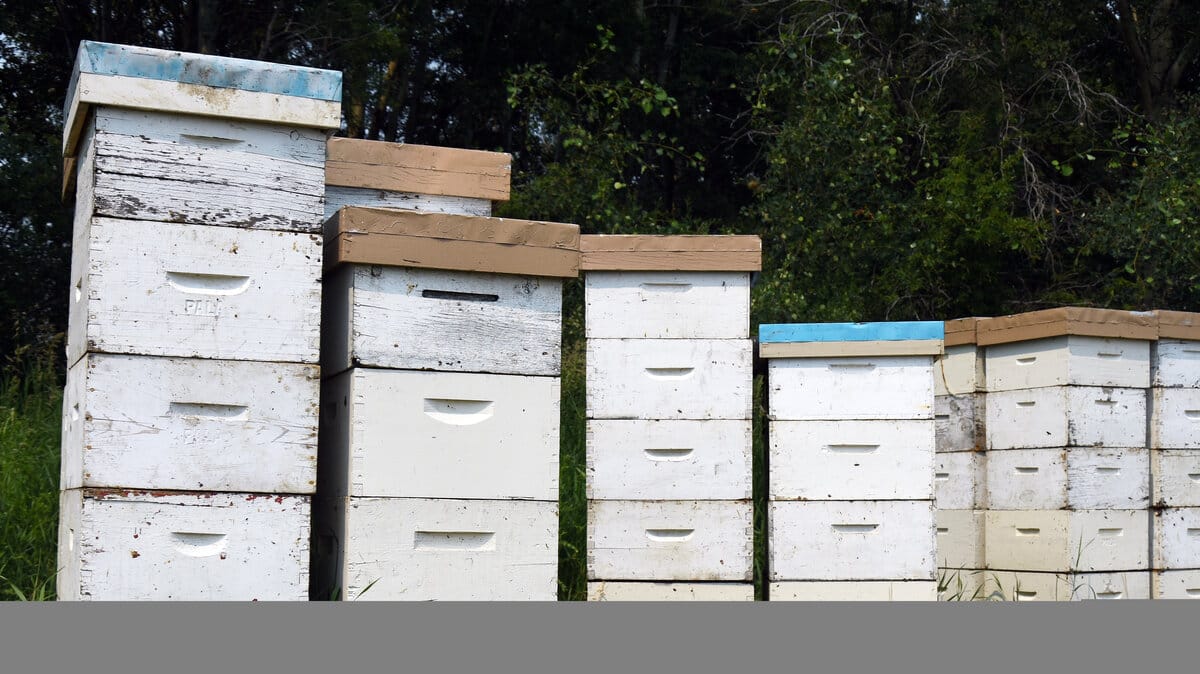
Police are hunting thieves who stole $150,000 worth of beehives from a rural property in New South Wales, highlighting a black market boom driven by Australia's devastating parasite crisis that has decimated bee colonies nationwide.
Eighty beehive boxes containing active colonies disappeared from a property on Bruxner Way, 15 kilometers west of Bonshaw and 100 kilometers northwest of Glen Innes, NSW police confirmed. The theft occurred between Tuesday, March 31 and Wednesday, May 6.
Parasite Crisis Drives Underground Market
Local beekeeper Mitch McLennan told investigators that hive thefts have become "quite commonplace" due to the rise of parasitic varroa mites, which have devastated Australia's bee population since first detected in 2022. The microscopic parasites attach to honey bees and suck their blood, weakening colonies and spreading deadly viruses.
McLennan suspects the thieves were fellow beekeepers, given the specialized knowledge required to safely transport active colonies without killing the bees. Professional hive theft requires timing, proper equipment, and understanding of bee behavior patterns.
The varroa mite outbreak has created severe shortages of healthy bee colonies, driving up prices and creating lucrative opportunities for theft. Australia had remained one of the few countries free from varroa mites until the parasite breached biosecurity measures at Newcastle port in 2022.
Economic Impact on Food Security
The theft represents more than just property crime—it threatens Australia's agricultural security. Bees pollinate crops worth $14.2 billion annually to the Australian economy, including almonds, apples, and canola. Each stolen hive can pollinate crops across hundreds of acres.
Australia's bee industry has been under emergency management since the varroa detection, with authorities destroying thousands of infected hives and establishing quarantine zones. The crisis has pushed healthy colony prices to record highs, making theft increasingly attractive to criminals.
NSW Police have not released details about potential suspects or whether they've identified the vehicles used in the operation. Moving 80 active hives would require specialized trucks and equipment, suggesting an organized operation rather than opportunistic crime.
Agricultural crime investigators will likely focus on other commercial beekeepers who may have suddenly acquired large numbers of colonies, as stolen hives are difficult to disguise once integrated into existing operations.