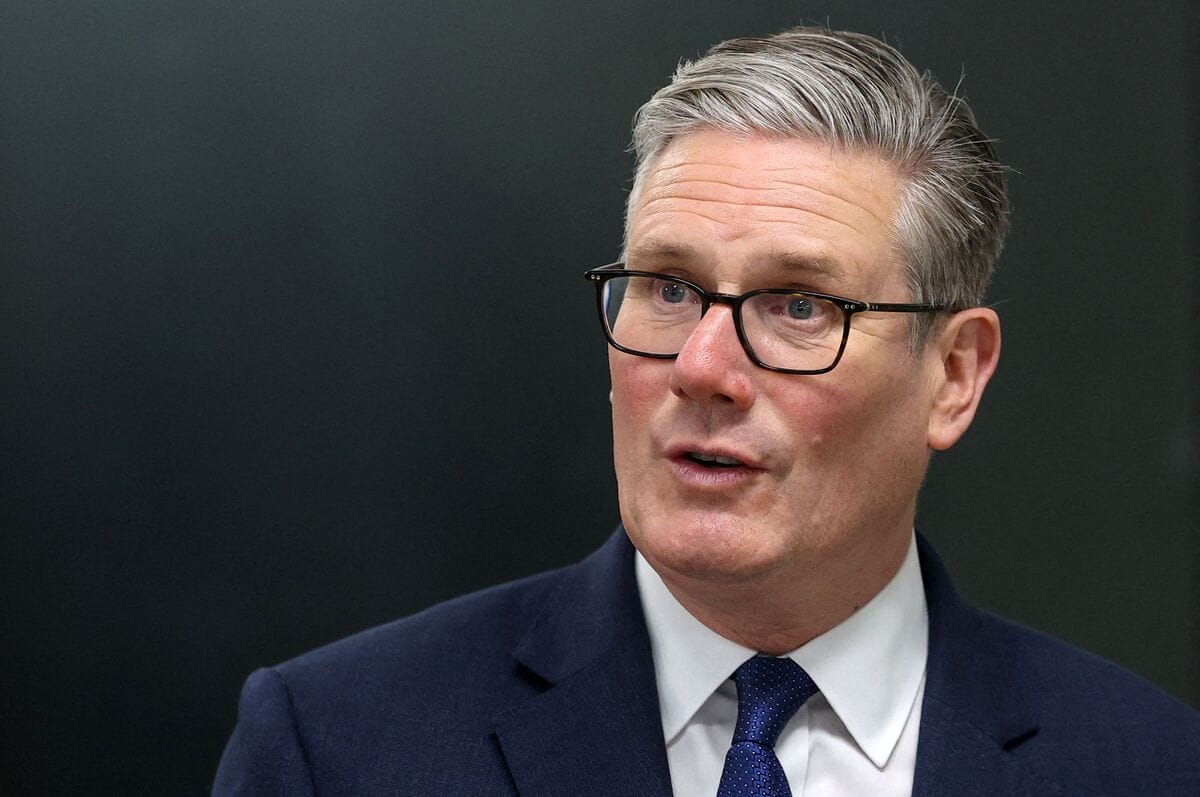
UK Prime Minister Keir Starmer weathered a coordinated challenge to his leadership Tuesday evening, surviving in office despite multiple ministerial resignations designed to force his removal from Downing Street. The attempted coup began at 2:47 PM GMT when Treasury Minister Rachel Reeves submitted her resignation letter, followed by seven additional ministerial departures by 9:30 PM.
The Labour leader faced what amounts to a slow-motion coup attempt as cabinet members and government aides abandoned ship throughout the day. Yet by Tuesday night, Starmer remained in post, suggesting the rebellion lacks the numbers to topple him immediately. Parliamentary mathematics show the rebels need at least 165 Labour MPs to trigger a formal confidence vote — sources close to the whips office indicate they currently hold commitments from fewer than 80 backbenchers.
Cabinet in Crisis
The exodus represents the most serious threat to Starmer's leadership since he took office following Labour's July 2024 general election victory. Home Secretary Yvette Cooper tendered her resignation at 4:15 PM, followed by Foreign Office Minister David Lammy at 6:22 PM. Parliamentary Private Secretary Wes Streeting and Chief Whip Nick Thomas-Symonds submitted letters within minutes of each other at 7:45 PM.
The ministerial departures cost Starmer's government an estimated £1.2 million in severance payments and transition costs. More damaging is the loss of institutional knowledge across key departments, with the Treasury losing three junior ministers and the Foreign Office losing two senior advisers who collectively managed Britain's relationships with 47 countries.
The timing of the resignations appears calculated to maximize pressure on the Prime Minister, coming in waves throughout Tuesday to create the impression of unstoppable momentum against his leadership. However, the strategy has so far failed to achieve its ultimate goal of forcing Starmer from office. Deputy Prime Minister Angela Rayner publicly backed Starmer at 8:30 PM, as did Defence Secretary John Healey and Chancellor Jeremy Hunt.
Historical Context and Stakes
Tuesday's events follow a pattern of Labour leadership challenges dating back to Tony Blair's final months in 2007, when Gordon Brown's supporters orchestrated a similar cascade of resignations. The current rebellion stems from Starmer's handling of the October 2024 budget crisis, when his government's proposed tax increases triggered a 12% drop in Labour's polling numbers and spooked financial markets.
The rebellion gained momentum after last week's disastrous local election results, where Labour lost control of 23 councils and saw a 15-point swing toward the Conservatives in traditional strongholds like Hartlepool and Sunderland. Internal party polling obtained by Insider Wire shows Labour trailing the Tories by 8 points nationally — a reversal from their 12-point lead six months ago.
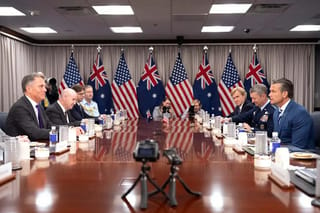
For American observers, the chaos in London matters because it weakens Britain's role as America's most reliable ally. A paralyzed UK government cannot effectively coordinate on shared priorities like countering China's rise, supporting Ukraine, or maintaining stable energy markets that affect American consumers. The Pentagon postponed a scheduled November 15 defense cooperation meeting pending resolution of Britain's political crisis.
What Happens Next
Starmer's survival through Tuesday doesn't guarantee his long-term future. British political coups often unfold over days rather than hours, with initial failures sometimes giving way to successful second attempts as more MPs lose confidence. Margaret Thatcher survived an initial leadership challenge in November 1990 before falling to a second wave of resignations weeks later.
The Prime Minister now faces a critical 48-hour window to reassert control over his party and government. His ability to fill the vacant ministerial posts with loyal supporters will signal whether he can stabilize his administration or whether the resignations represent the beginning of the end. Downing Street sources indicate Starmer plans to announce new appointments by Thursday morning, with Shadow Chancellor Pat McFadden likely to replace Reeves at the Treasury.
Watch for whether more senior cabinet figures follow the exodus Wednesday morning — that could provide the final push needed to bring down Starmer's government. The next formal test comes Thursday at 3 PM, when Parliament votes on the government's emergency spending bill. A defeat would likely trigger Starmer's immediate resignation and force a general election within six weeks.