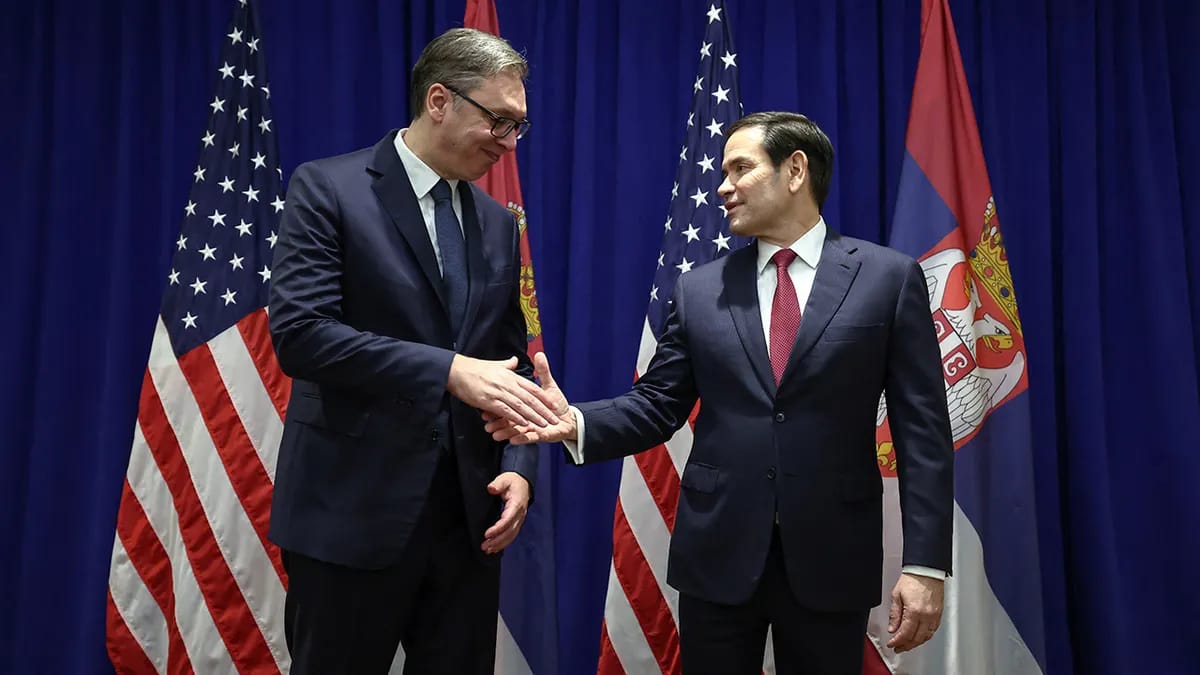
Serbian President Aleksandar Vučić says his country sees Donald Trump as a friend and peacemaker, even as much of Europe distances itself from Washington's America First approach. The contrast puts Serbia at odds with the broader European establishment's growing hostility toward Trump's demands for results over rhetoric.
Vučić's embrace of Trump marks a dramatic shift for a nation that endured US-led NATO bombings in 1999 — a trauma that left millions of Serbians suspicious of American leadership for decades. Yet today, Serbia stands as perhaps the only corner of Europe where enthusiasm for Trump has grown rather than withered.
Personal Diplomacy Changed Everything
The Serbian leader credits direct experience with Trump during his first term for changing his perspective. Vučić recalls White House meetings with Trump's inner circle that lasted for hours after difficult negotiations, where his concerns were heard rather than dismissed.
The caricature of Trump as an aggressive bully never matched my own experience. He was direct, yes, but he listened carefully, engaged sincerely, and treated Serbia with respect.
That approach stands in sharp contrast to Serbia's experience with Brussels, where smaller nations feel they are being hectored rather than heard, according to Vučić. For the leader of a small country, being treated as an equal partner rather than a junior partner matters more than larger powers sometimes appreciate.
Europe's 'Strategic Autonomy' vs. Serbian Partnership
While European capitals from Brussels to Berlin pursue what they politely call "strategic autonomy" — effectively distancing themselves from Trump's Washington — Serbia has moved in the opposite direction. The emerging European talk of independence from American leadership reflects what Vučić sees as a mixture of confusion and hostility toward America First policies.
Vučić argues that Trump has managed to "melt away old suspicions by projecting a different kind of American presence" in the Balkans. In a region where some neighbors have chosen to name avenues after American presidents who brought military intervention, Serbians increasingly view Trump as something unprecedented: a peacemaker rather than a warmaker.
The Serbian president's public respect for Trump represents a remarkable diplomatic achievement — winning over a population that harbored deep anti-American sentiment for over two decades. Serbia's shift toward embracing American leadership under Trump demonstrates how personal diplomacy and mutual respect can overcome even the most painful historical grievances.
As Trump begins his second term, Serbia's enthusiastic partnership offers a model for how America can rebuild relationships with skeptical allies through direct engagement rather than institutional pressure.