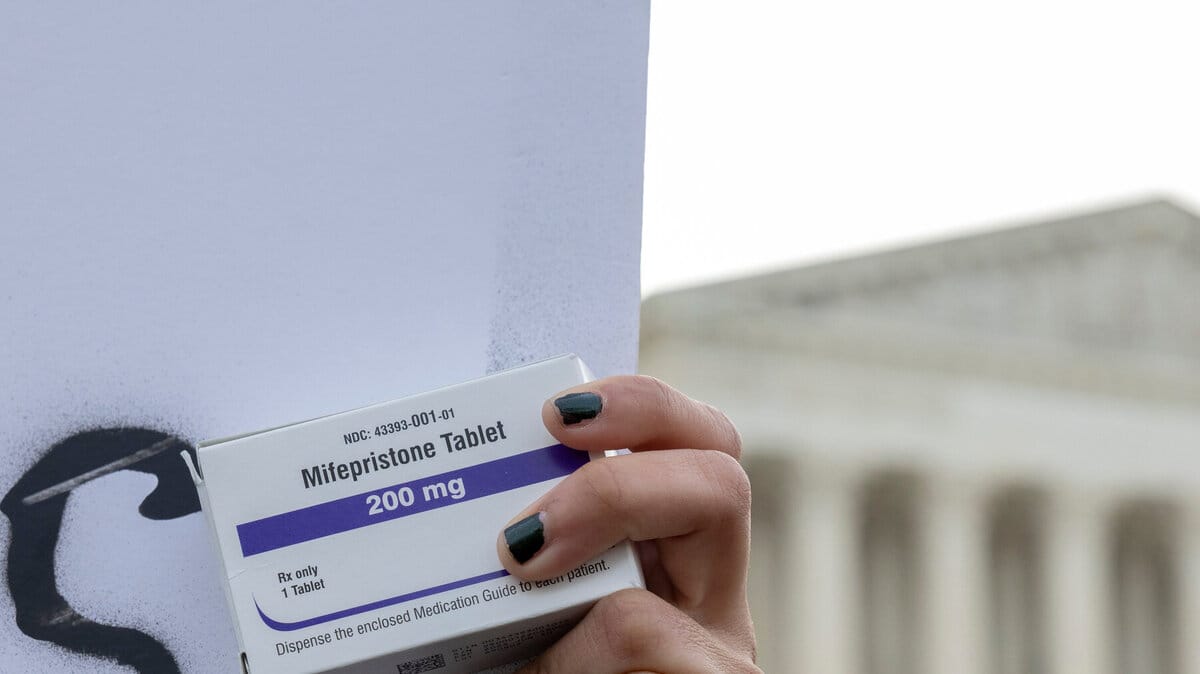
Mail-order abortion pills have rapidly become a dominant method for ending pregnancies, even in states with strict abortion bans, contributing to an overall increase in abortions since the Supreme Court overturned Roe v. Wade in June 2022. The practice has fundamentally reshaped abortion access across America, creating a federal enforcement challenge that puts state laws at odds with interstate commerce.
Data from the Guttmacher Institute shows that medication abortions now account for more than 60% of all abortions nationwide, with many pills shipped directly to patients' homes through telehealth consultations. Providers in states with legal abortion are prescribing pills to patients in ban states, exploiting regulatory gaps that make enforcement nearly impossible. The surge represents a 15% increase in medication abortion use compared to pre-Dobbs levels in May 2022.
Interstate Commerce Creates Enforcement Nightmare
The surge in cross-border pill shipments has created a complex legal landscape where state attorneys general struggle to enforce their abortion restrictions. Pills prescribed by doctors in California, New York, and other pro-abortion states are regularly shipped to patients in Texas, Alabama, and other states with near-total bans. Shield laws enacted in 15 states now explicitly protect providers who mail abortion pills to patients in restrictive states.
Federal law generally protects interstate shipment of prescription medications, creating a conflict with state-level restrictions. The FDA maintains authority over drug approval and distribution, while states claim jurisdiction over medical practice within their borders. This regulatory clash mirrors tensions seen in other federal-state disputes, including immigration enforcement efforts where federal agencies work around local restrictions.
Several states have attempted to criminalize the receipt of mailed abortion pills, but prosecution remains rare. Law enforcement agencies in Texas and Florida report that tracking individual pill shipments requires resources most states lack, while HIPAA privacy laws protect patient medical records from routine surveillance. Only three prosecutions related to mailed abortion pills have been filed nationwide since the Dobbs decision.
Telehealth Revolution Bypasses Geographic Restrictions
The expansion of telehealth services during the COVID-19 pandemic laid groundwork for the current system. The FDA's December 2021 decision to permanently allow mailed abortion pills without in-person visits opened the floodgates. Patients can now consult with physicians via video calls, receive prescriptions electronically, and have medications shipped within 24-48 hours. This process often costs between $200-500, significantly less than surgical procedures that can run $1,500-3,000.
Organizations like Aid Access and the Abortion Pill Rescue Network provide pills at no cost to patients in restricted states, funded by donations from abortion rights advocates. These groups processed more than 25,000 requests in the six months following the Dobbs decision. They operate networks that connect patients with providers across state lines, similar to underground networks that existed before Roe v. Wade.
Medical and Legal Complications Mount
The practice raises questions about medical supervision and emergency care. While abortion pills are generally safe, with complications occurring in less than 0.4% of cases, problems can arise that require immediate medical attention. Patients in ban states may face delays seeking help due to fears about legal consequences for healthcare providers. Emergency room visits related to incomplete medication abortions have increased 23% in ban states since August 2022.
Anti-abortion groups have called for federal action to restrict interstate shipment of abortion medications, arguing that federal law should support rather than undermine state restrictions. They advocate for postal service monitoring and enhanced penalties for providers who ship across state lines. The Alliance Defending Freedom has filed lawsuits in federal district courts in Texas and Tennessee challenging the FDA's mailing authorization.
Federal Showdown Looms
The trend demonstrates how technology and interstate commerce can circumvent state-level policy restrictions, creating enforcement challenges that extend beyond abortion to other regulated activities. Congressional Republicans have signaled interest in federal legislation that would restrict cross-state pill shipments, while Democrats push for national protections for telehealth abortion services.
The next major test comes in March 2024, when the Fifth Circuit Court of Appeals will hear arguments on whether the FDA exceeded its authority in approving mailed abortion pills. That decision could reshape the entire landscape of medication abortion access nationwide.