Jewish musicians testified Monday before Australia's royal commission on antisemitism that their support for Zionism made them targets of systematic vilification and career-damaging boycotts, describing how private conversations leaked from a WhatsApp group exposed them to organized harassment campaigns.
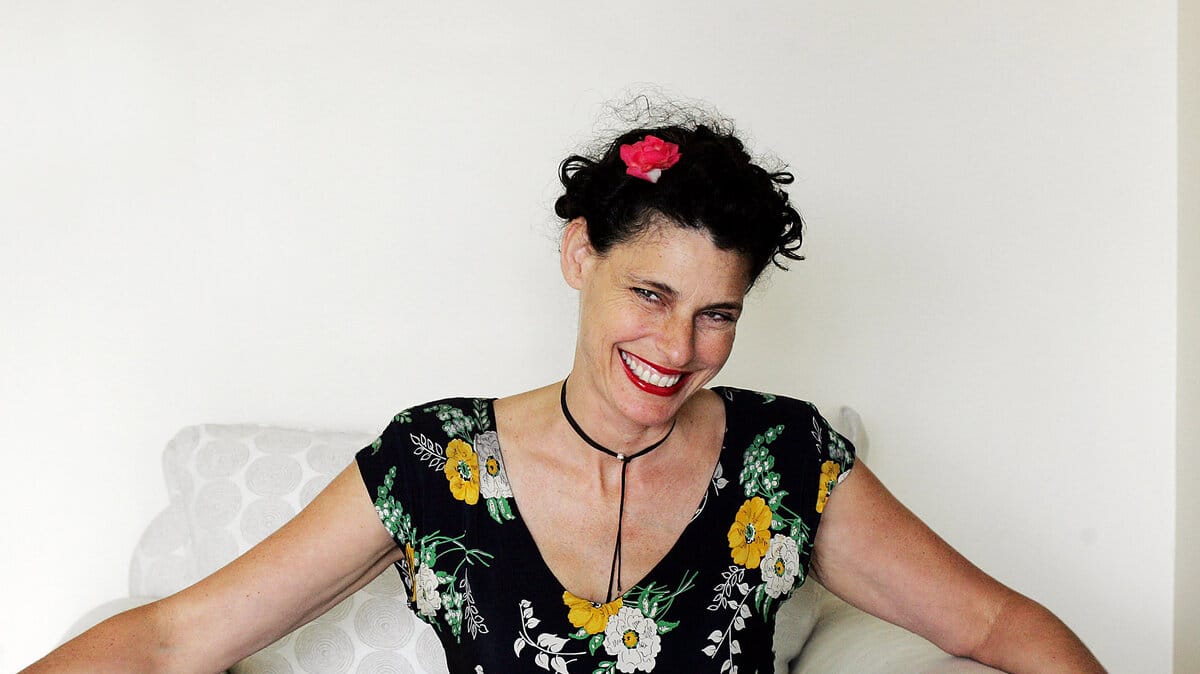
Deborah Conway, the ARIA Award-winning singer-songwriter, and Joshua Moshe, a Melbourne-based musician and academic, appeared before the Royal Commission into Antisemitism in Australia on December 16, 2024, at Parliament House in Canberra. Both detailed how their participation in a private WhatsApp group called "Jewish Creatives and Academics" became the basis for public targeting after media outlets obtained and published the group's internal discussions along with members' personal information.
Private Conversations Become Public Weapons
The WhatsApp group, which included approximately 150 Jewish artists, writers, and academics across Australia, was established in early 2024 as a support network following the October 7 Hamas attacks on Israel. Conway told the commission that conversations within the group ranged from discussions about rising antisemitism to expressions of solidarity with Israel and concerns about safety in Australian Jewish communities.
In September 2024, progressive news website Crikey published leaked excerpts from the group's conversations, identifying members by name and characterizing their discussions as promoting "Zionist ideology." The leak included screenshots of messages where participants expressed support for Israel's right to exist and criticized anti-Israel protests on Australian university campuses.
Conway described anti-Zionism as a "genocidal impulse" during her testimony, explaining how this characterization from her private messages became a rallying point for boycott campaigns. Within 48 hours of the leak, both musicians faced organized calls for venue boycotts, concert cancellations, and streaming platform removals.
Professional Retaliation Follows Political Expression
Moshe testified that three scheduled performances at Melbourne venues were cancelled within a week of the leak, costing him approximately $8,000 in lost income. The Northcote Social Club and The Corner Hotel both cited "community safety concerns" in their cancellation notices, according to documents submitted to the commission.
Conway, whose career spans four decades with multiple platinum albums, described how streaming numbers for her music dropped by 35% in the month following the leak. Social media campaigns used hashtags like #BoycottConway and #ZionistArtists to coordinate opposition to her work, she testified.
The harassment extended beyond professional retaliation. Both musicians reported receiving hundreds of threatening messages across social media platforms, with some explicitly referencing their home addresses and family members. Moshe told the commission he temporarily relocated his family after protesters appeared outside his residence in October.
Pattern of Targeting Jewish Australians
The testimony fits within a broader pattern of antisemitic incidents documented by the commission since its establishment in February 2024. Commissioner James Spigelman AC has heard from over 200 witnesses describing harassment ranging from antisemitic abuse at children's sporting events to vandalism of synagogues and Jewish schools.
The Executive Council of Australian Jewry reported a 591% increase in antisemitic incidents between October 2023 and September 2024 compared to the same period the previous year. Cultural figures have been disproportionately targeted, with Jewish writers, filmmakers, and musicians facing boycotts across major Australian cities.
The leaked WhatsApp group represented what many witnesses have described as the impossible position facing Jewish Australians: expressing solidarity with Israel triggers professional consequences, while remaining silent feels like abandoning their Jewish identity during a period of rising antisemitism.
What Comes Next
The royal commission will continue taking testimony through March 2025, with hearings scheduled in Sydney, Melbourne, Perth, and Brisbane. Commissioner Spigelman indicated the final report will include specific recommendations for federal and state governments on combating antisemitism in educational institutions, workplaces, and cultural industries.
The next phase of hearings, beginning January 28, 2025, will focus specifically on antisemitism in Australian universities, where Jewish students and faculty have reported similar patterns of harassment and boycotts. The commission has already received over 1,000 written submissions, with many echoing the experiences Conway and Moshe described in the arts sector.
Federal Attorney-General Mark Dreyfus has indicated the government will respond to the commission's recommendations within six months of receiving the final report, expected by June 2025.