AFTER MONTHS OF FIGHTING, President Donald Trump increasingly appears to be looking for a way to end the conflict. Earlier in August, his position still connected two major objectives: reopening the Strait of Hormuz and addressing Iran’s nuclear program. More recent reporting suggests Trump may be willing to end the war without reaching a comprehensive nuclear agreement if Iran fully reopens the Strait.
If that becomes the basis of a settlement, it raises an uncomfortable question. After months of fighting, American casualties and billions of dollars spent, what exactly did the United States accomplish? If Iran’s government remains in power, the nuclear dispute remains unresolved and Hormuz simply returns to something resembling its prewar status, then defining a clear political victory becomes difficult. A military can dominate the battlefield while still falling short of its broader strategic objectives.
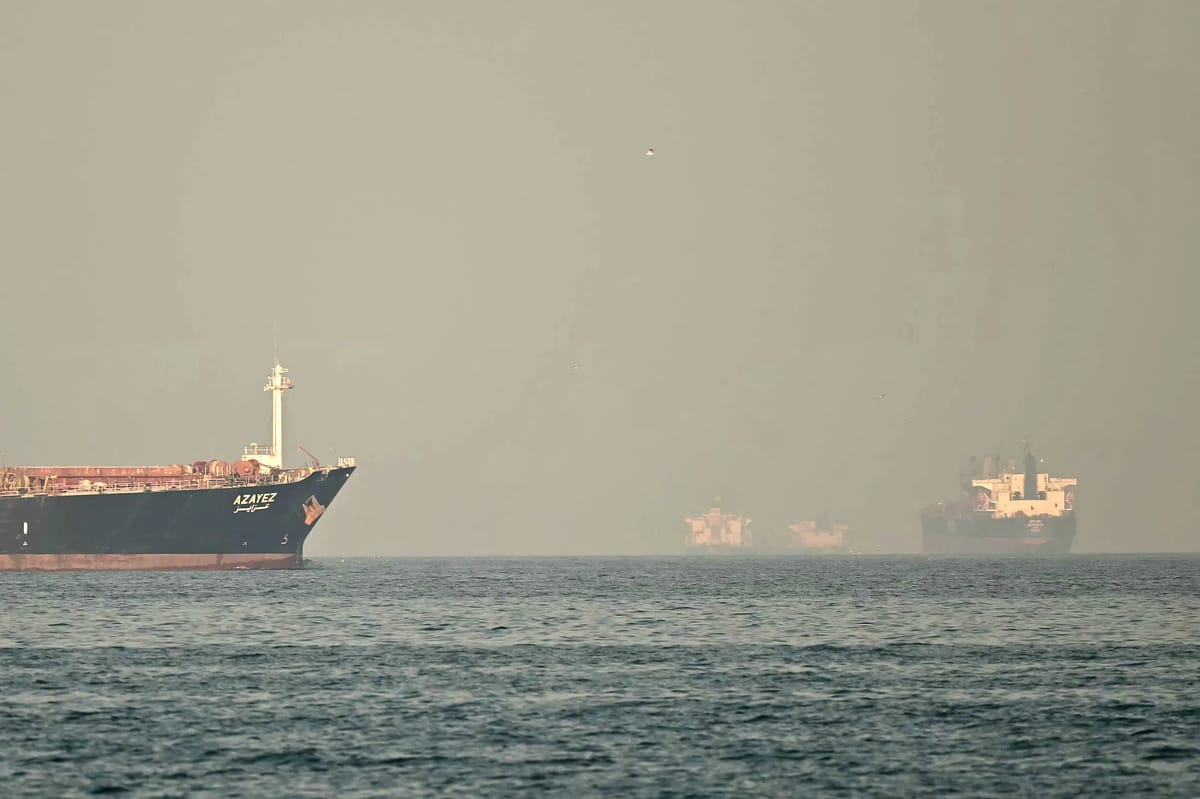
Iran, however, can make its own argument about what the conflict demonstrated. For decades, Tehran has threatened that any major war involving Iran could endanger shipping through the Strait of Hormuz. Before the conflict, roughly one-fifth of global petroleum consumption passed through this narrow waterway connecting the Persian Gulf with the Arabian Sea. That geography gave Iran something far more powerful than its conventional military strength alone: the ability to threaten the global economy.
For years, that power remained largely theoretical. Governments knew Iran could disrupt Hormuz, military planners prepared for it and energy markets feared it. But the consequences remained something discussed in contingency plans and war games. Then Iran actually demonstrated what happens when the threat becomes reality. Shipping was disrupted, insurance concerns increased, energy markets reacted and the Strait became one of the central issues determining how the war might end.
In the short term, that demonstrates extraordinary Iranian leverage. In the long term, it may prove to have been a strategic mistake.
The problem with using a weapon based on dependency is that those who depend on it suddenly have a powerful incentive to remove that dependency. The war has effectively given every Gulf government, major oil importer, and energy investor a live demonstration of the vulnerability created by Hormuz. The lesson is simple: relying on one narrow maritime corridor that can become a battlefield is no longer just a theoretical risk.
The response has already started. Saudi Arabia operates the East-West pipeline, which allows crude from its eastern oil-producing regions to travel toward export facilities on the Red Sea. Expanding that system would allow more Saudi oil to reach international markets without ever entering the Strait of Hormuz. The United Arab Emirates already has infrastructure connecting its oil fields to Fujairah, outside the Strait, and additional capacity could further reduce its dependence on the Persian Gulf shipping route. Oman also becomes more strategically important because its ports provide direct access to the Arabian Sea.
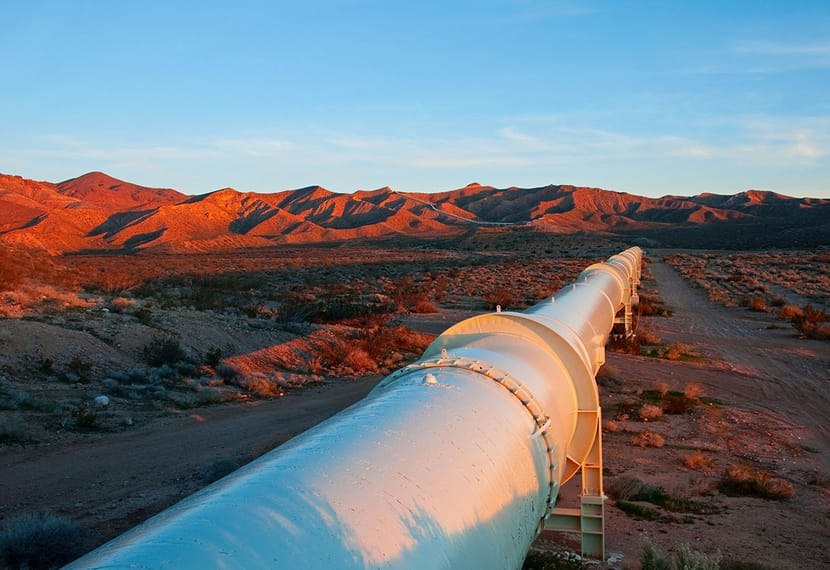
None of these projects will make Hormuz irrelevant. Pipelines cost billions, take years to build, and cannot replace every type of energy shipment. Qatar’s liquefied natural gas exports, for example, cannot simply be redirected into an oil pipeline. Even with aggressive infrastructure expansion, a large amount of global energy trade will continue passing through the Strait.
But Iran’s strategic power does not need to disappear completely for it to become weaker.
Imagine another crisis ten or fifteen years from now. Iran again threatens to restrict Hormuz. The difference may be that Saudi Arabia can redirect several million more barrels per day toward the Red Sea. The UAE could move more crude directly to Fujairah. Additional pipelines could connect Gulf producers to ports outside the Persian Gulf. Asian and European governments may also hold larger strategic reserves or diversify suppliers because of what happened during this war.
Iran could still cause economic damage, but perhaps not nearly as much.
That creates the central irony of the conflict. Tehran spent decades benefiting from the world’s fear that it might close the Strait of Hormuz. Once it finally demonstrated that it was willing and capable of seriously disrupting the waterway, it gave the rest of the world the strongest possible reason to build around it.
In other words, Iran may have fired its most powerful strategic weapon only to reveal exactly how that weapon can eventually be weakened.
This also complicates the argument over whether Trump ultimately won the confrontation. Militarily, the United States can point to the damage inflicted on Iranian capabilities and America’s ability to project overwhelming force into the region. If Iran reopens Hormuz without gaining permanent control over international shipping or major concessions, Trump can argue that pressure forced Tehran back toward negotiations.
Politically, the picture becomes far more complicated if the nuclear issue remains unresolved. If preventing Iran from developing a nuclear weapon was one of the central objectives of the confrontation, postponing that problem makes it difficult to describe the outcome as a complete American victory. The fighting may stop and economic pressure may replace military strikes, but the issue that helped drive the conflict will still exist.
There is another possibility, however. America’s most important long-term strategic gain may not come from any agreement signed at the negotiating table. It may come from the economic reaction Iran unintentionally triggered across the region.
Wars do more than destroy equipment. They change calculations. They influence investment decisions and convince governments to spend billions preparing for the next crisis. A pipeline constructed because of the 2026 Hormuz disruption could operate for decades. A new export terminal could outlive every political leader currently involved in the conflict. Energy contracts signed today to reduce dependence on the Persian Gulf could permanently redirect trade.
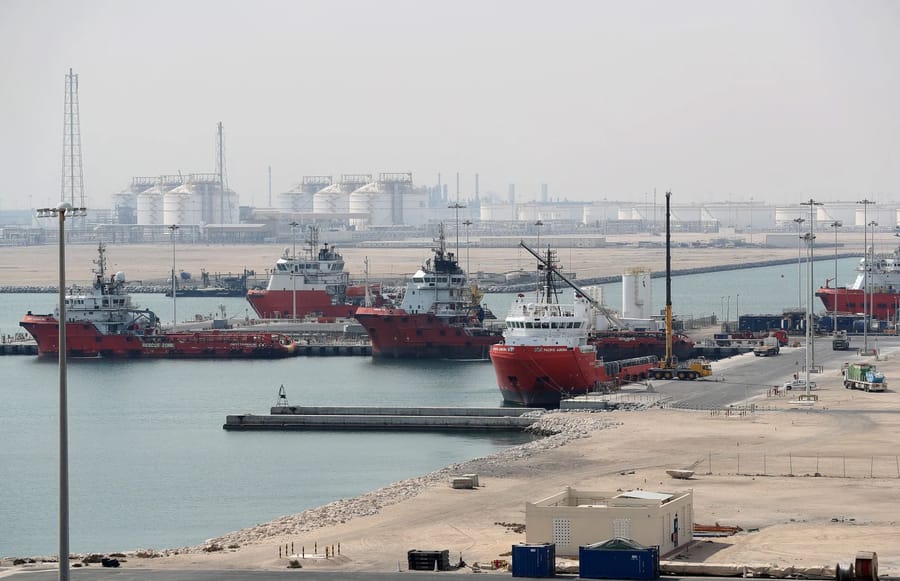
Before this war, the world knew the Strait of Hormuz was vulnerable. After this war, it understands the cost of that vulnerability.
Iran’s greatest strategic weapon was never simply its missiles, drones or naval forces. It was geography. Tehran sits beside a maritime chokepoint that much of the global economy cannot easily avoid, giving Iran influence far beyond its economic or conventional military power.
But geography is most powerful when there is no alternative.
Iran has now given the world a powerful reason to create those alternatives.
For the moment, Tehran still possesses tremendous leverage. Hormuz remains essential to global energy markets, and building enough infrastructure to bypass it will take years. But the pipelines, ports and alternative energy routes built because of this war could remain long after the missiles stop flying.
Iran finally proved to the world just how powerful the Strait of Hormuz can be as a weapon. In doing so, it may also have started the process of making that weapon weaker.