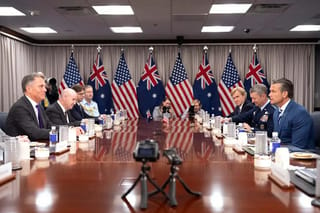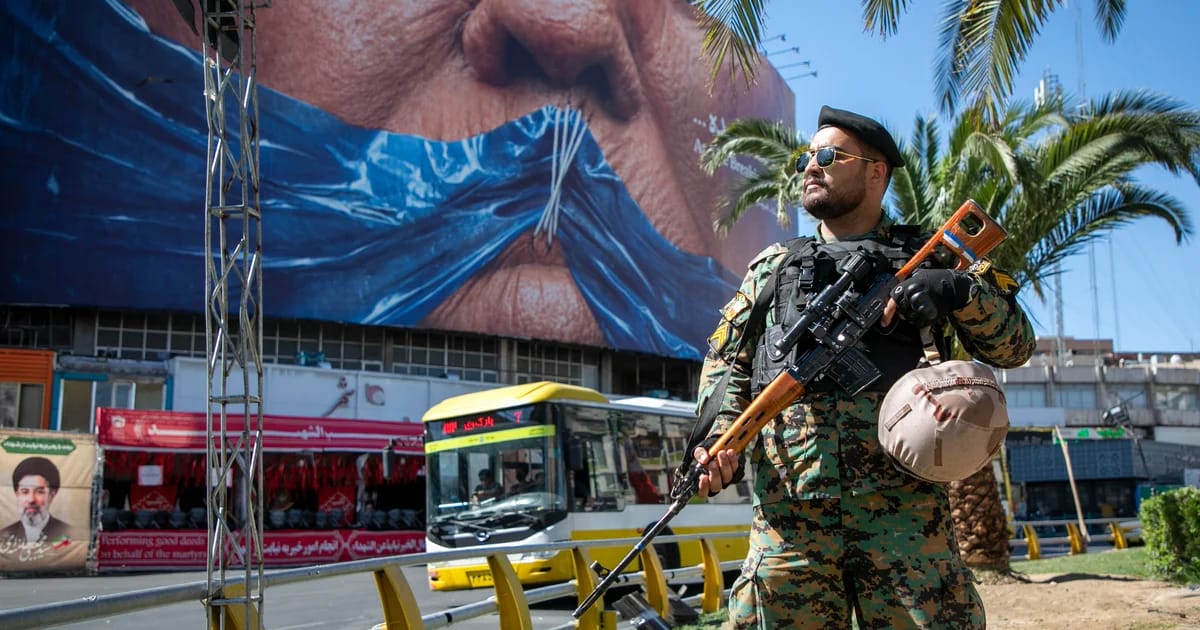
Iran delivered its response to the latest U.S. ceasefire proposal through Pakistani mediators on Sunday, with Tehran demanding negotiations focus on permanently ending the war rather than temporary measures, according to Iranian state media reports from Tehran. The Iranian Foreign Ministry transmitted the formal reply through Pakistan's embassy in Washington, marking the third round of indirect diplomatic exchanges since hostilities escalated in the Strait of Hormuz three weeks ago.
The White House has not commented on Iran's response, received at approximately 4:30 p.m. EST Sunday through Pakistani diplomatic channels. National Security Council staff are reviewing the document, which sources describe as a four-page response outlining Iran's conditions for ending military operations.
Trump Attacks Previous Iran Policies
President Trump posted on Truth Social Monday morning that "Iran has been playing games with the United States, and the rest of the World, for 47 years," while criticizing previous administrations' handling of the Islamic Republic. The president did not specify when he expected to receive Iran's formal response or indicate whether he had been briefed on the Pakistani-mediated reply.
Trump launched a scathing attack on former President Barack Obama's approach to Iran, claiming Obama was "not only good to them, he was great, actually going to their side, jettisoning Israel, and all other Allies, and giving Iran a major and very powerful new lease on life." The comments reference Obama's 2015 nuclear agreement with Iran, which Trump withdrew from during his previous presidency in May 2018.
Diplomatic Context and Stakes
The current mediation effort follows two failed rounds of Swiss-brokered talks in Geneva that collapsed over disagreements about naval operations in the Persian Gulf. Iran's Revolutionary Guard has detained three commercial vessels since January 15, while U.S. forces have conducted daily freedom of navigation patrols through the strategic waterway that carries 21% of global petroleum liquids.
Pakistan's emergence as mediator reflects the collapse of traditional diplomatic channels. Swiss representatives walked away from negotiations January 22 after Iran rejected proposals for temporary shipping lane protections. Pakistani Prime Minister Shehbaz Sharif offered Islamabad's services during a January 25 phone call with Secretary of State Marco Rubio, capitalizing on Pakistan's maintained diplomatic relations with both countries.
The conflict has cost U.S. taxpayers an estimated $2.8 billion in additional naval deployments since January 1, with the Pentagon repositioning the USS Theodore Roosevelt carrier strike group and deploying 4,500 additional Marines to the region. European allies have pressed for diplomatic resolution, with German Chancellor Olaf Scholz warning that prolonged conflict could trigger global recession through energy price increases.
Iran's Strategic Position
Iran's insistence on permanent war termination rather than temporary ceasefire suggests Tehran seeks broader concessions beyond immediate military de-escalation. Iranian officials privately indicated they want guarantees about future U.S. naval presence in the Persian Gulf and restoration of some sanctions relief, according to Pakistani diplomatic sources.
The Islamic Republic calculates it holds leverage through its ability to disrupt shipping in the Strait of Hormuz, through which 18.5 million barrels of oil pass daily. Iranian commanders have demonstrated new anti-ship missile capabilities during the current crisis, successfully targeting unmanned vessels at ranges exceeding 100 miles from Iran's coastline.
For American taxpayers funding this conflict and the 12,000 U.S. troops now stationed across the Persian Gulf region, Iran's negotiating position could determine whether this diplomatic opening leads to lasting peace or more prolonged military engagement stretching into spring.
What Comes Next
Pakistan's Foreign Minister Bilawal Bhutto Zardari plans to shuttle between Washington and Tehran this week, with meetings scheduled at the State Department Wednesday and Iranian Foreign Ministry Friday. Pakistani officials describe their role as "honest broker" seeking to prevent regional war that would devastate global energy markets.
Watch for the White House response to Iran's proposal, expected by Wednesday according to Pakistani diplomatic timelines, and whether Secretary Rubio will accept Pakistan's invitation for face-to-face negotiations in Islamabad. The next 72 hours will determine if diplomatic momentum can overcome military escalation that has brought the U.S. and Iran closer to direct conflict than at any point since 1988.