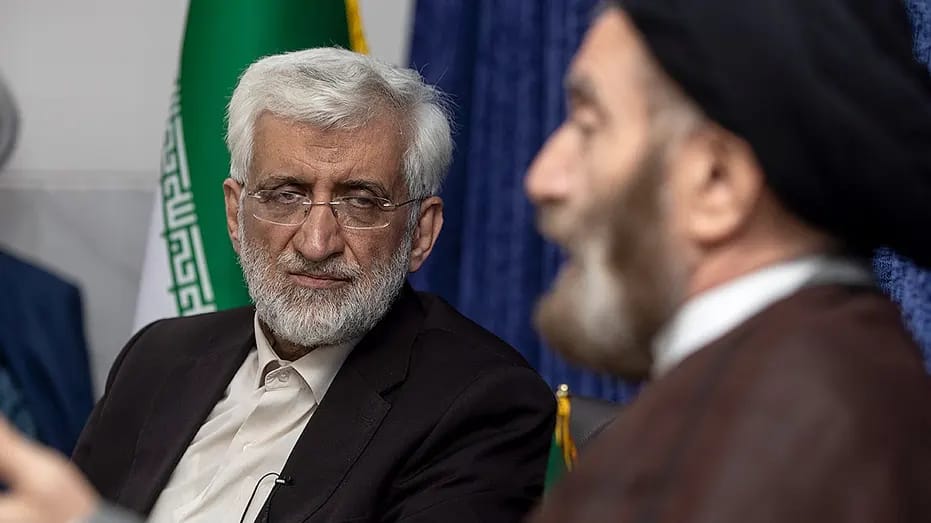
Iran's nuclear negotiating team is undergoing a leadership shakeup as veteran hardliner Saeed Jalili, 60, prepares to replace Mohammad Bagher Ghalibaf following internal disputes within the regime, according to Iran International reports from April 24.
Jalili leads Iran's ultra-hardline Stability Front (Paydari) faction and what officials describe as a "shadow government" operating within Tehran's power structure. The move signals Iran's shift toward an even more confrontational stance as negotiations with Washington remain stalled.
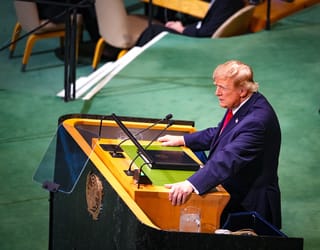
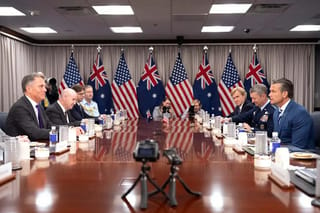
Ghalibaf was forced out after attempting to bring nuclear issues into discussions with the United States, a move that triggered fierce opposition within Iran's political establishment. The timing coincides with President Trump's decision to cancel planned peace talks in Pakistan on April 25, stating the U.S. holds "all the cards" and Iran's leaders can call anytime.
"Jalili has evolved from a nuclear negotiator to an influential actor within the regime," Ali Safavi, an official with the Iranian opposition National Council of Resistance of Iran, told Fox News Digital. The opposition leader characterized Jalili's faction as a "bastion of ultraconservatism in Iran."
The rivalry between Jalili and Ghalibaf spans over a decade and intensified during Iran's 2024 elections, when Jalili's refusal to step aside contributed to President Masoud Pezeshkian's victory. Foreign Minister Abbas Araghchi is also positioning himself for a continued role in negotiations, creating competing power centers over Iran's diplomatic strategy.
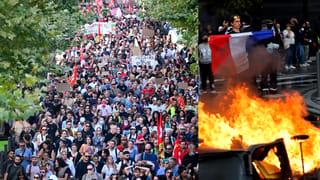
Safavi explained the broader context driving these internal battles: "The increased visibility of latent divisions stems from recurring nationwide uprisings, deep economic crises and the pressures of war, all of which have intensified internal feuding."
For American taxpayers and national security officials, Jalili's elevation represents a concerning development. His track record shows consistent rejection of nuclear concessions, and his leadership of Iran's most extreme political faction suggests Tehran is abandoning any pretense of serious diplomacy.
The shake-up comes as Iran faces mounting economic sanctions targeting nearly 40 entities in its oil network in China, while the U.S. has escalated military deployments to the Strait of Hormuz. Trump's cancellation of the Pakistan talks demonstrated his administration's unwillingness to negotiate from a position of weakness.
"Far from signaling transformation, these developments reflect accelerating erosion and mounting pressure, deepening fractures and leaving the regime ever weaker and more vulnerable," Safavi added, suggesting the leadership changes expose Iran's internal instability rather than strength.
The transition leaves American officials watching whether Iran's hardline pivot will accelerate its nuclear program or force the regime to eventually return to serious negotiations under increased pressure.