When Americans debate war with the regime in Iran, the media instinctively invokes Iraq and Afghanistan. The prevailing assumption is that military intervention in a Muslim-majority country inevitably leads to insurgency and a decade of unwanted nation-building. That assumption has shaped a generation of Iran policy, and it overlooks cases where limited military intervention achieved strategic objectives without devolving into prolonged occupation. Kosovo, from NATO’s intervention in March 1999 to the fall of Slobodan Milošević in October 2000, is the case Washington should be studying.
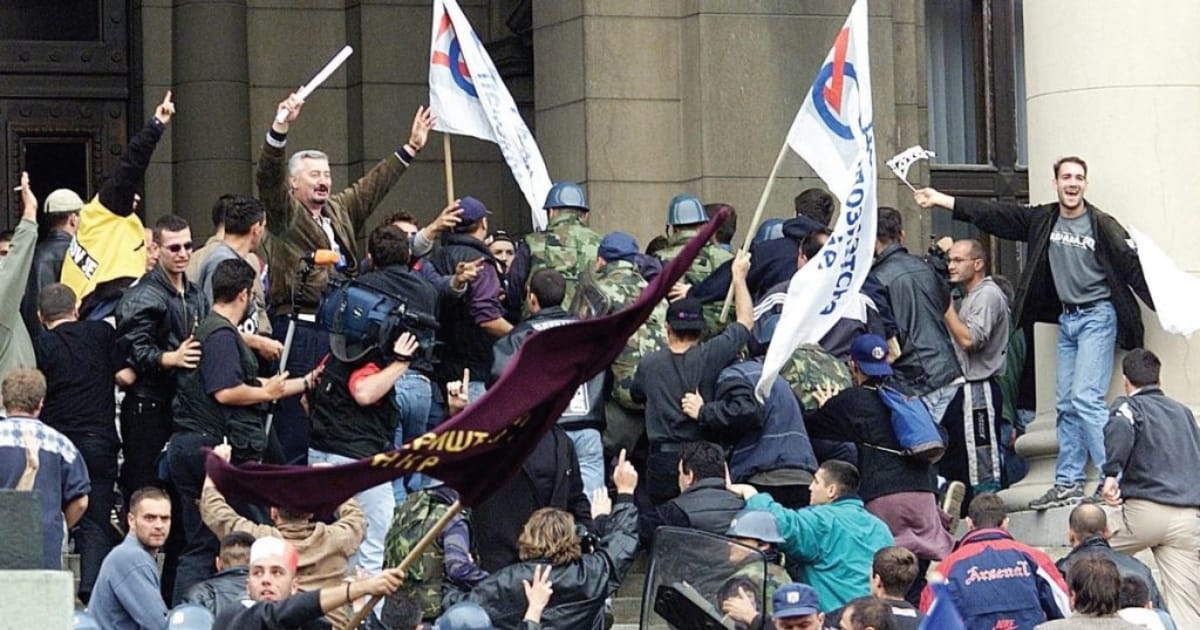
In March 1999, NATO began an air campaign against Milošević’s Yugoslavia. Seventy-eight days later, his government accepted the Kumanovo agreement and withdrew Yugoslav and Serbian forces from Kosovo. Milošević fell sixteen months later, in October 2000, and Serbs removed him. He tried to steal the September election but hundreds of thousands of people came to Belgrade and ended his rule in a single day. The students of Otpor and the eighteen parties of the Democratic Opposition of Serbia did that work. NATO’s campaign had already stripped away the military capacity and the political story Milošević needed to survive the challenge.
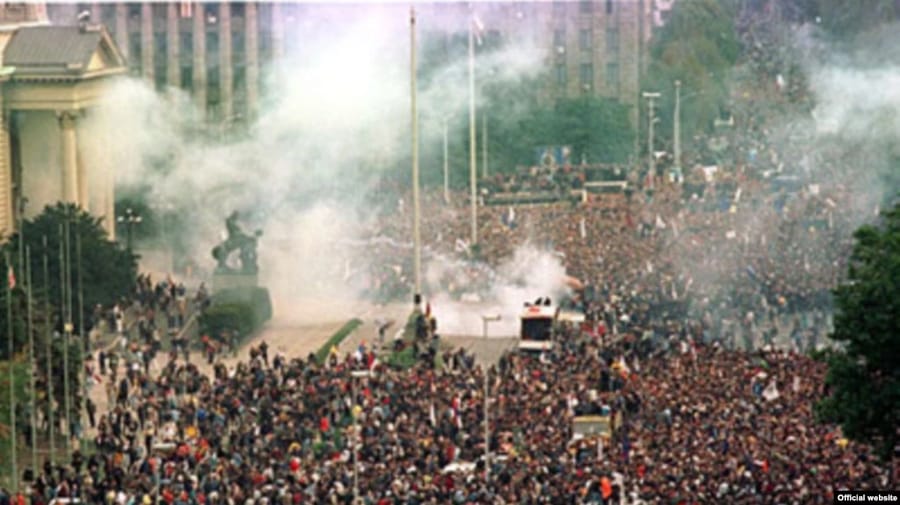
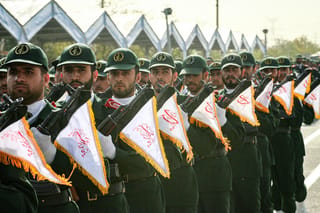
During those sixteen months Washington funded independent media and ringed Serbia’s borders with transmitters so that state television could not hold the information space. It backed opposition coordination and refused to treat Milošević as a legitimate negotiating partner. That is the sequence Iran policy is missing. The Islamic Republic lost the country long ago and has ruled through the Revolutionary Guard, the Basij, and the prison system. Iranians have turned to demonstrations, labor strikes, election boycotts, and other forms of civil disobedience and campaigns against state control. Years of peaceful resistance have produced no accommodation. The authorities criminalized dissent, portrayed domestic opponents as terrorists or agents of foreign powers, and mass murdered protesters in the streets.
Years of peaceful resistance have produced no accommodation.
The regime needs the war to continue. Each American strike becomes proof of the resistance narrative it has been selling for forty-seven years. Milošević did not have this option. Every week of bombing cost him something he could not replace. Tehran has spent decades building an economy and an ideology that run on siege. Iran is also simpler than Kosovo in one respect that ought to make Washington more confident. Kosovo was a fight over territory and status, which is why it took another nine years to resolve and why the resolution is still contested. Iran presents no partition question and no final-status negotiation. The conflict is between a state and the whole of the people it rules. That makes the American objective definable, which is whether Iranians end up with the capacity to determine their own government. Any settlement that leaves the regime’s coercive institutions intact would allow the authorities to rebuild their military capabilities and intensify repression under the pretext of defending Iran from foreign enemies.
The conflict is between a state and the whole of the people it rules.
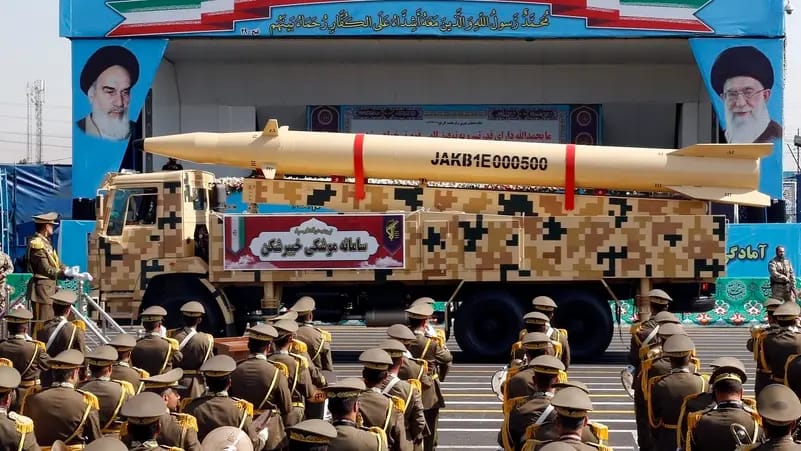
The United States does not need to take control of Iran or construct a new government on behalf of its people. Iranians themselves will determine their country’s future. As in Serbia, after exhausting the peaceful avenues, they need international support to finish what they have started. Three things follow.
Restore Iranians’ access to the outside world and to each other, satellite internet hardware moving into the country at scale, sanctions tailored carefully to allow for communications tools, and enforcement against the firms selling Tehran its filtering and surveillance systems.
Aim the pressure at the people who do the repressing, name and sanction IRGC and Basij commanders alongside the judges and prison officials who process the cases, and publish the evidence.
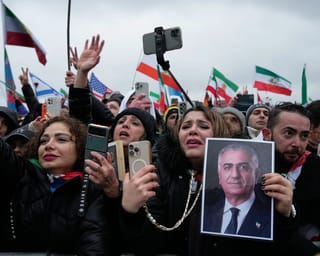
Give the democratic opposition standing by engaging Crown Prince Reza Pahlavi and allied figures as credible partners in an Iranian-led transition based on a free referendum and free elections.
None of this requires American troops on Iranian soil or Washington selecting Iran’s next government. Iranians will make that choice themselves. What the United States can do, as it did between June 1999 and October 2000, is help ensure that those seeking to reclaim their country have the tools and international support necessary to succeed.
The Islamic Republic will survive missile strikes. It will not survive Iranians given a real chance to determine their own future.