Honduran authorities arrested Adan Funez, former mayor of Tocoa, at his home Tuesday on charges of masterminding the assassination of environmental activist Juan Lopez, more than a year after the crusader was gunned down for opposing a mining project. The arrest operation, conducted by the Special Prosecutor's Office for Human Rights at Funez's residence in Tocoa's central district, represents the most high-profile detention in the case.
Funez was captured alongside businessman Hector Eduardo Méndez and Juan Angel Ramos Gallegos on charges of criminal association to the detriment of fundamental rights. Prosecutors identified all three as the intellectual authors behind Lopez's killing, which occurred on September 14, 2024, just blocks from Lopez's home in downtown Tocoa.
These three individuals are believed to be the intellectual authors of the environmentalist Juan Lopez's death
Mining Opposition Turned Deadly
Lopez led community opposition to a $180 million iron oxide mining project proposed by Canadian company Inversiones Los Pinares in Colon, a rural region of northwestern Honduras covering 2,400 hectares of protected forest. The project threatened the Carlos Escaleras National Park and the Capiro-Calentura Wildlife Refuge, areas activists said harbored endangered species and served as water sources for 15 rural communities.
The anti-corruption crusader directly challenged Funez, then mayor and a vocal supporter of the mine, calling for his resignation at a packed town hall meeting on September 10, 2024 over allegations that Funez received $50,000 in payments from mining interests. Lopez presented bank records and witness testimony documenting what he called a pattern of corruption dating back to 2019.
Funez had served as Tocoa's mayor since 2018 and controlled local permits required for the mining operation. Environmental lawyers said his administration fast-tracked approvals while bypassing required environmental impact studies and community consultations mandated by Honduran law.
Execution-Style Killing Sparked International Outrage
Four days after demanding Funez step down, Lopez was shot six times in the chest and once in the head by a masked gunman outside the Santa Barbara Catholic Church on Tocoa's main avenue. Security footage showed the assassin fleeing on a red motorcycle with no license plate. The brazen assassination at 7:30 PM on a busy street sparked demands for justice from Pope Francis, the United Nations, and the Biden administration.
The killing brought back memories of the March 2016 murder of Honduran environmentalist Berta Caceres, who was shot dead in her home after opposing a hydroelectric dam project. Seven men were convicted in that case, but environmental groups said the masterminds escaped justice.
Funez, described by local media as a power-broker in the region's decades-long agrarian conflict, was a close ally of Honduras's former president Xiomara Castro and her Libre Party. He attended Castro's January 2022 inauguration and received federal infrastructure contracts worth $2.3 million during her first year in office.
Pattern of Violence Against Defenders
The killing highlighted the deadly risks facing environmental defenders in Latin America, where corporate interests and government corruption often intersect with violence against activists. Global Witness documented 117 killings of environmental and land defenders across Latin America in 2024 alone — 82 percent of the global total and a 15 percent increase from 2023.
In Lopez's city of Tocoa, population 45,000, eight activists from his environmental coalition were imprisoned for more than two years on charges lawyers called fabricated retaliation for their environmental work. The activists were released in August 2024 after international pressure, just weeks before Lopez's assassination.
Rare Victory Against Impunity
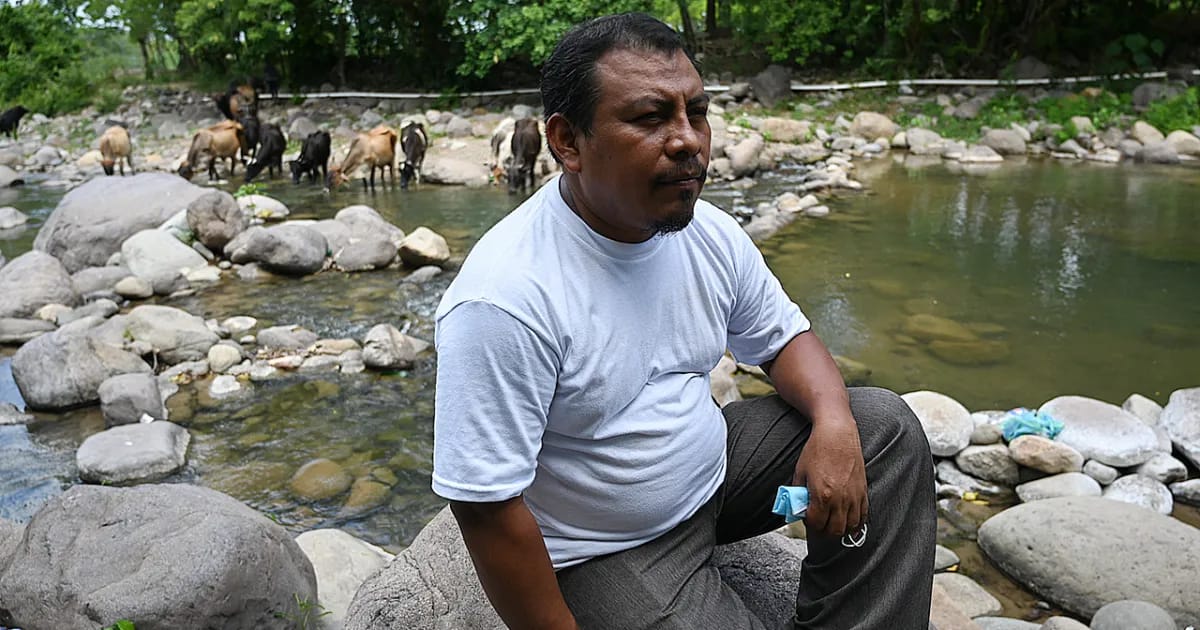
Dalila Santiago, a close friend and leader in Lopez's movement, said the arrests came as a shock after rampant impunity in Honduras, where 95 percent of environmental defender killings go unpunished according to human rights groups.
We've been calling for justice for so long
Santiago called on authorities to continue pursuing others responsible, including executives from Inversiones Los Pinares and local officials who approved mining permits.
The trial of the three men is scheduled to begin in June 2025 at the Tegucigalpa Criminal Court. The proceedings will test whether Honduras can break its pattern of impunity and deliver justice in a case that drew international attention to the country's environmental conflicts.