A Hezbollah drone strike killed an Israeli soldier near the Lebanon border Sunday morning, marking the latest escalation in cross-border fighting that has claimed 18 Israeli military lives since March. The attack occurred at approximately 9:30 AM local time in the Manara area, a kibbutz settlement just 500 meters from the Lebanese frontier.
The Israeli Defense Forces confirmed the soldier died instantly when the Iranian-made drone detonated near an observation post overlooking the border fence. Military censors withheld the victim's identity pending family notification, but sources indicated the soldier was part of the 769th Regional Brigade responsible for northern border security. The death toll represents mounting casualties as the Iran-backed militia group intensifies operations against Israeli positions using increasingly sophisticated weaponry.
Cross-Border Exchange Intensifies
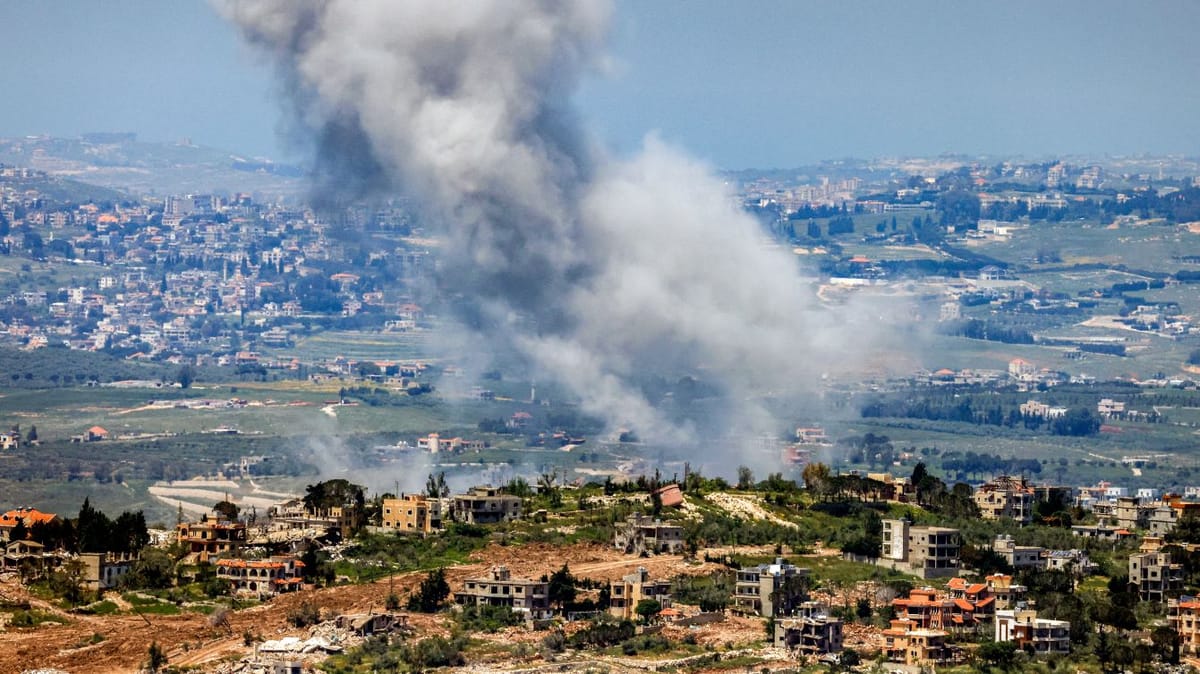
Israeli forces responded within two hours with airstrikes and artillery bombardments on 12 Hezbollah positions across southern Lebanon. F-16 fighter jets targeted weapons storage facilities in the villages of Aita al-Shaab and Blida, while 155mm howitzers pounded suspected launch sites near Maroun al-Ras. Explosions echoed across Israel's Galilee region as the exchange of fire continued for six hours Sunday.
Hezbollah claimed responsibility for targeting an Israeli unit inside a building in the southern Lebanese town of Al-Taybeh, releasing drone footage showing the precision strike. The group's military wing said it deployed two Mirsad-1 drones in the coordinated attack, demonstrating their ability to penetrate Israeli air defenses despite the $1.2 billion Iron Dome system.
Lebanese sources reported three Hezbollah fighters killed in the Israeli retaliation strikes, though the group has not confirmed casualties. Approximately 2,000 residents from five border villages evacuated Sunday evening as rocket alerts sounded across northern Israel's Upper Galilee and Golan Heights regions.
Regional Pattern of Escalation
The latest violence continues a pattern of tit-for-tat strikes that began March 14 when Hezbollah rockets killed two Israeli reservists near Kiryat Shmona. Cross-border incidents have increased 340 percent compared to the same period last year, with over 800 rocket and drone attacks launched from Lebanese territory since March.
The escalating conflict poses strategic risks for U.S. interests in the region, as previous ceasefire efforts have repeatedly collapsed. American taxpayers fund $3.8 billion annually in military aid to Israel while regional instability threatens energy markets and forces costly naval deployments to protect shipping lanes. The Pentagon maintains USS Gerald R. Ford carrier strike group in the Eastern Mediterranean at an estimated cost of $40 million weekly.
The drone attack highlights Hezbollah's evolving tactics and growing arsenal, supplied by Iran despite international sanctions. Israeli intelligence estimates the group possesses over 150,000 rockets and missiles, including precision-guided munitions capable of striking Tel Aviv and Haifa. Iran has transferred approximately $700 million worth of weapons to Hezbollah since January, according to Israeli military assessments.
What Comes Next
Israeli Defense Minister Yoav Gallant convened an emergency meeting Sunday night with Northern Command chief Major General Ori Gordin to discuss response options. Military sources indicate consideration of expanded airstrikes targeting Hezbollah's drone manufacturing facilities in the Bekaa Valley, located 40 kilometers inside Lebanese territory.
Watch for additional Israeli operations in southern Lebanon this week as military commanders weigh broader retaliation against Hezbollah's expanding drone capabilities. The next flashpoint likely centers on the disputed Shebaa Farms area, where both sides have increased patrols following Sunday's incident. U.S. envoy Amos Hochstein is scheduled to arrive in Beirut Tuesday for emergency talks with Lebanese officials, though previous mediation efforts have yielded limited results.