Mohamed Bulbul, a Guardian correspondent covering Somalia, was pistol-whipped and detained by the country's US-trained counter-terrorism police on Friday evening, January 12 in Mogadishu after publishing an exposé on systematic prison torture. Two fellow journalists, Abdihafid Nor Barre and Abdishakur Mohamed Mohamud, were arrested alongside him in what press freedom groups are calling retaliation for investigative reporting.
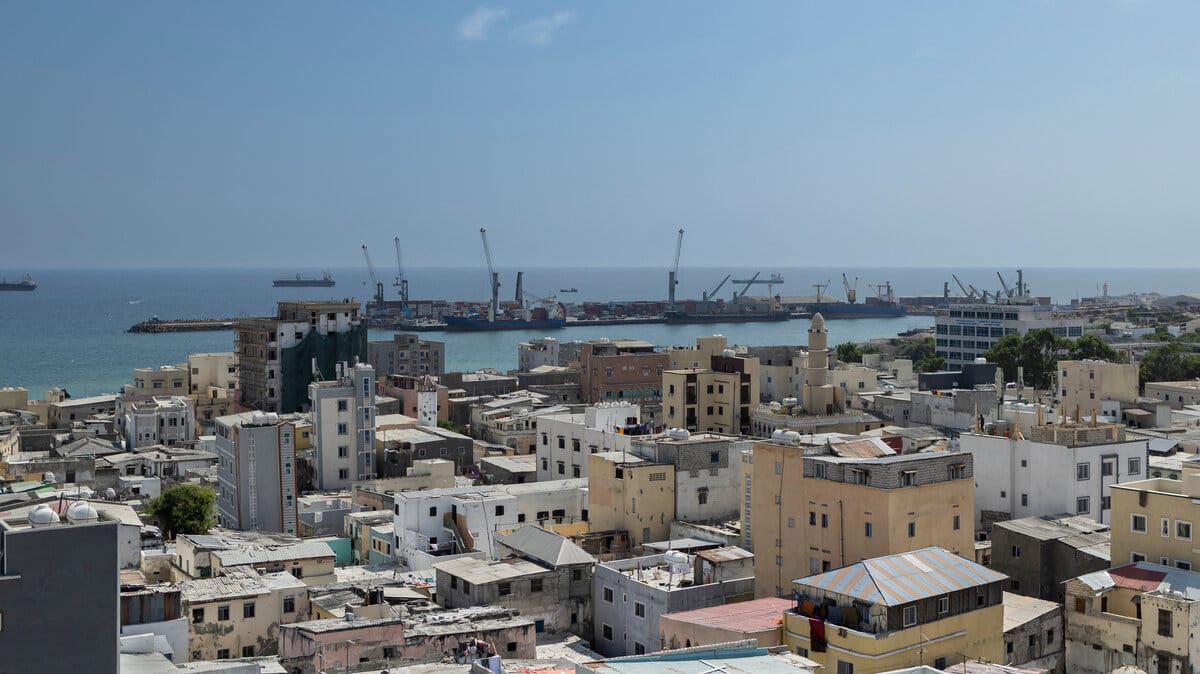
The three men were seized at 7:30 PM while eating dinner at Lul Restaurant in central Mogadishu's Hamar Weyne district. Witnesses said at least eight officers from the National Intelligence and Security Agency's counter-terrorism unit surrounded their table before dragging them outside. The same unit receives training and equipment through $200 million annually in US security assistance to Somalia.
Officers struck all three journalists with pistol butts during the arrest, leaving visible bruises on their faces and arms. They were taken to a detention facility in the Villa Somalia complex for overnight interrogation before being released without charges at 4 AM Saturday.
Torture Exposé Sparked Government Fury
The arrests came exactly 24 hours after the Guardian published Bulbul's investigation into Sadia Moalim Ali, a 27-year-old female rickshaw driver imprisoned since November 15 for organizing peaceful protests against forced evictions. Ali provided detailed testimony of sexual abuse, beatings with metal batons, and starvation tactics used by guards at Mogadishu Central Prison.
The story documented how male guards stripped Ali naked during searches, kicked her in the ribs and stomach, and denied her food for 48-hour periods while keeping her under constant surveillance in a 6-foot by 8-foot concrete cell. Prison officials photographed her injuries as evidence but refused medical treatment, according to Ali's account.
Within hours of publication, the report had been shared more than 15,000 times on Somali Facebook groups and WhatsApp channels, generating the largest social media response to a human rights story in months. Government officials immediately denounced it as "foreign propaganda" designed to destabilize President Hassan Sheikh Mohamud's administration.
Pattern of Press Intimidation Escalates
The detention represents an escalation in Somalia's crackdown on independent journalism as the government faces mounting criticism over human rights abuses and political stalemate. Since October 2023, at least 12 journalists have been arrested or threatened by security forces, according to the Somali Journalists Syndicate.
Bulbul himself had received three death threats via phone calls in the weeks before his arrest, all warning him to stop reporting on forced displacement in Mogadishu's informal settlements. His previous investigations exposed how government-connected developers seized land from 40,000 internally displaced families without compensation.
Abdirahman Abdishakur, an opposition member of parliament and leader of the Wadajir Party, condemned the journalists' treatment as evidence of President Mohamud's "authoritarian drift" as his term nears its end on May 15, 2024.
Instead of addressing the growing public anger over forced displacement, land grabbing, and pursuing an inclusive political settlement to guide the country through this fragile transitional period, the administration has intensified repression against journalists, activists and outspoken young people.
US Training Program Faces Scrutiny
The incident has renewed questions about American security assistance to Somalia, where 450 US Special Operations forces remain deployed alongside African Union peacekeepers. Since 2017, Washington has provided $1.2 billion in security aid, including training for the counter-terrorism police who beat the three reporters.
State Department officials in Nairobi and Washington have not responded to requests for comment about whether the arrests violate human rights conditions attached to US military aid. The silence mirrors American responses to similar incidents in Egypt, Saudi Arabia, and other recipient countries where US-trained forces target civilians.
What Comes Next
Opposition groups have called for protests on Sunday, January 21 demanding President Mohamud's resignation and early elections. The demonstrations will test whether the torture exposé and subsequent press crackdown can mobilize broader public anger against the government.
Parliament is scheduled to vote on February 2 on extending the current administration's mandate beyond May, a move opposition parties have vowed to block. International observers are watching whether escalating repression will trigger donor countries to reconsider their $2.8 billion in annual aid to Somalia's federal government.