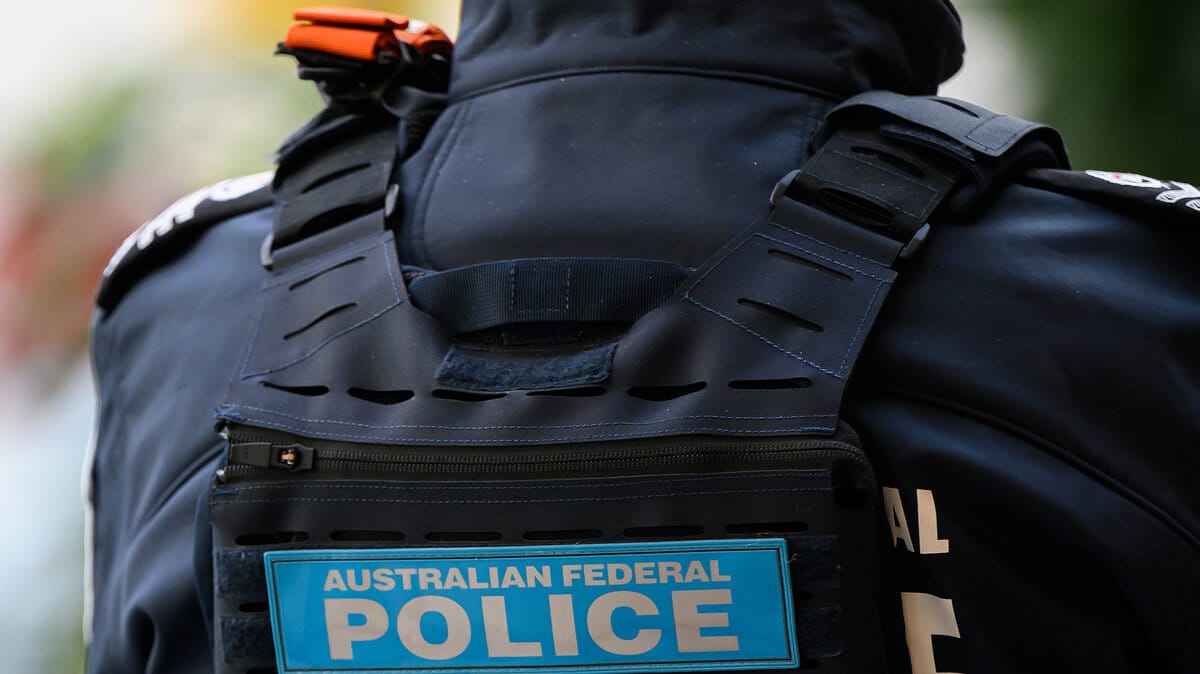
A 17-year-old in Canberra became the first person ever charged with planning a terrorist attack in the Australian Capital Territory, facing additional charges Tuesday that carry a maximum sentence of life in prison. The case marks a historic first for the territory and represents the youngest terror prosecution in Australian history.
The teenager was initially arrested November 5 during a pre-dawn raid at his Canberra residence after Australian Federal Police found alleged violent extremist material during a search warrant execution. He has remained in custody at the Bimberi Youth Justice Centre since his arrest on November 6.
On Tuesday, the territory's joint counter-terrorism team filed two additional charges: acts in preparation for a terrorist act and transmitting violent extremist material. Police allege the teen was planning an attack on strangers, motivated by "nationalist and racist extremism." The new charges add to an initial charge of possessing extremist material, bringing the total potential sentence to life imprisonment.
Investigation Uncovers Detailed Attack Planning
Court documents filed Tuesday reveal police discovered detailed attack plans during their investigation, including target locations in Canberra's city center and methods for carrying out violence against random civilians. The Australian Federal Police counter-terrorism unit spent three weeks analyzing digital evidence seized from the teenager's devices before laying the additional charges.
AFP Assistant Commissioner Peter Crozier told reporters Tuesday the investigation uncovered evidence the teenager had been sharing extremist content with other individuals online and had progressed beyond mere consumption of radical material to active planning stages.
Violent extremist material is circulated by terrorist organisations to promote violence, hate and division within Australian society
The charges represent the first terrorism prosecution in the ACT's 23-year history as a self-governing territory. Previous terrorism cases in Australia have been concentrated in New South Wales and Victoria, with 89 terrorism-related charges laid nationwide since 2014.
Youth Radicalization Emerges as National Security Priority
The case highlights a disturbing trend of youth radicalization that has alarmed Australian security officials. ASIO Director-General Mike Burgess warned in his annual threat assessment earlier this year that the average age of terrorism suspects had dropped from 26 to 23 over the past five years, with several cases involving minors under 18.
Australian security agencies have recorded a 40% increase in terrorism-related investigations involving suspects under 25 since 2020. The shift reflects the growing influence of online propaganda and the ease with which extremist groups can target vulnerable young people through social media platforms and gaming forums.
ACT Deputy Chief Police Officer Richard Chin emphasized the community safety implications, stating the priority was "to ensure the safety of the ACT community." He stressed the role of parents and educators in early detection of behavioral changes that could signal radicalization.
Multi-Agency Response Targets Online Extremism
Officials outlined a multi-pronged approach to combat youth extremism developed by the Australian Counter-Terrorism Centre, involving 16 federal and state agencies. The strategy includes limiting accessibility of violent extremist material online, promoting education and awareness for protective roles including parents and teachers, and maximizing prevention and early intervention options.
The Australian eSafety Commissioner has removed over 2,400 pieces of extremist content from online platforms in 2023, with nationalist and white supremacist material comprising the fastest-growing category. Technology companies including Meta, Google, and TikTok have agreed to enhanced monitoring protocols under pressure from Australian authorities.
The teenager appeared in ACT children's court Tuesday before Magistrate James Lawton to face the additional charges. His defense lawyer requested a four-week adjournment to review the new evidence. The case will test Australia's juvenile justice system's handling of terrorism charges and could set precedents for future cases involving minors and extremist material.
Legal Precedent Looms as Case Advances
The prosecution faces the complex task of proving terrorist intent in a minor while navigating the ACT's youth justice framework, which emphasizes rehabilitation over punishment. Legal experts expect the case to reach the ACT Supreme Court given the severity of charges and potential constitutional challenges around trying minors for terrorism offenses.
The next hearing is scheduled for December 12, when prosecutors will present their evidence brief. A committal hearing is expected in early 2024, with a potential trial date set for mid-2024 if the case proceeds to the Supreme Court.