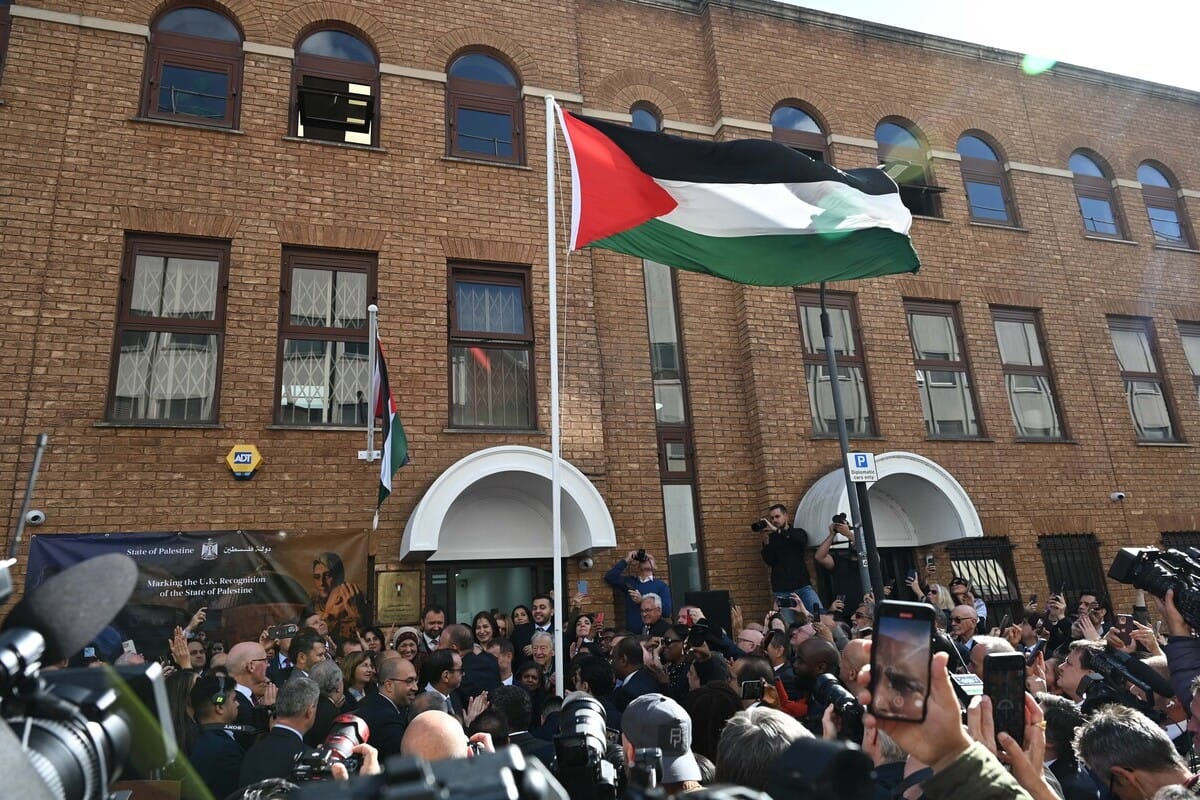
Dozens of Arab and Palestinian leaders in Britain delivered a formal petition to Prime Minister Keir Starmer on Wednesday demanding equal security protection for Saturday's 78th anniversary commemoration of the Palestinian Nakba in London's Russell Square. The petition, signed by 47 community leaders and professional figures, cited mounting far-right threats and what they described as unequal government response compared to Jewish community events.
The May 16th London event will draw an estimated 3,000 attendees, including elderly survivors of the 1948 displacement alongside their grandchildren. Metropolitan Police received at least 12 credible threat reports against the gathering since April, according to sources familiar with security briefings, making protection concerns particularly acute for organizers.
Leaders Point to Protection Disparities
Adnan Hmidan, head of Alarab in UK and lead signatory, emphasized the petition represents "not a request for special privilege, nor an attempt to place one community against another." The 47 signatories include doctors, lawyers, business owners, and university professors from across London's Arab diaspora communities.
Community leaders contrasted their treatment with security measures provided for Jewish community events. The government allocated £15 million in additional security funding for Jewish schools and synagogues following October attacks, while Palestinian cultural centers received no comparable protection despite documented threats. The Board of Deputies of British Jews received direct consultations with Home Secretary James Cleverly in November, while Palestinian groups report no equivalent high-level engagement.
The letter stressed that Palestinian marches in London serve as "shared humanitarian spaces" attended not only by Palestinians and Arabs but also by Jewish supporters of Palestine. Saturday's commemoration will feature readings from Palestinian poets, traditional dabke dancing, and speeches from Dr. Ghada Karmi and Ilan Pappe, the Israeli historian.
Historical Context and Current Stakes
The Nakba commemoration has grown from small gatherings of 200 people in the 1990s to one of London's largest annual Middle Eastern cultural events. This year's anniversary comes as British Palestinian communities face heightened scrutiny following seven months of weekly Gaza solidarity marches that drew up to 300,000 participants.
For British Palestinians, the signatories explained, the Nakba represents "not a chapter in a history textbook, but a living wound" — making the prospect of far-right hostility during commemoration events particularly painful for survivors like Um Khalil Totah, 89, who fled Haifa in 1948 and plans to attend Saturday's event with her seven grandchildren.
The petition arrives as Starmer faces mounting political pressure from within his own Labour Party, with 47 MPs signing a separate letter demanding stronger condemnation of Israeli military actions. Three junior ministers resigned over the government's Middle East policy since February, creating the most serious internal challenge to Starmer's leadership since taking office.
Three-Point Security Framework
Community leaders outlined specific measures for government action: ensuring Arabs and Palestinians receive equal protection from authorities, implementing a clear security plan for the London Nakba commemoration, and recognizing Nakba remembrance as legitimate mourning for part of Britain's social fabric rather than treating it merely as a security issue.
The demands follow a pattern established by other minority communities. British Muslim groups secured enhanced protection for Eid celebrations after 2019 threats, while Sikh organizations received additional security for Vaisakhi festivals following 2020 incidents. Palestinian advocates argue their community deserves equivalent consideration.
Home Office statistics show hate crimes against Arab Britons increased 67% between October 2023 and February 2024, compared to 34% increases for other minority groups. Yet government protection programs allocated £2.3 million specifically for Jewish community security while providing no dedicated funding for Arab institutions.
Next Steps and Government Response
Saturday's commemoration will test whether Starmer's government can balance security concerns with equal treatment of all British communities during politically sensitive events. The Prime Minister's office indicated Wednesday it would respond to the petition by Friday, though sources suggested no major policy announcements were planned.
Community leaders plan to meet with Metropolitan Police Commander Karen Findlay on Thursday to finalize security arrangements. If the government fails to provide adequate protection, organizers indicated they may file discrimination complaints with the Equality and Human Rights Commission by next week.
The broader implications extend beyond Saturday's event. How Starmer handles this petition could shape his government's relationship with Britain's 400,000-strong Arab population ahead of local elections in May 2024, where Labour faces challenges in constituencies with large Palestinian communities.