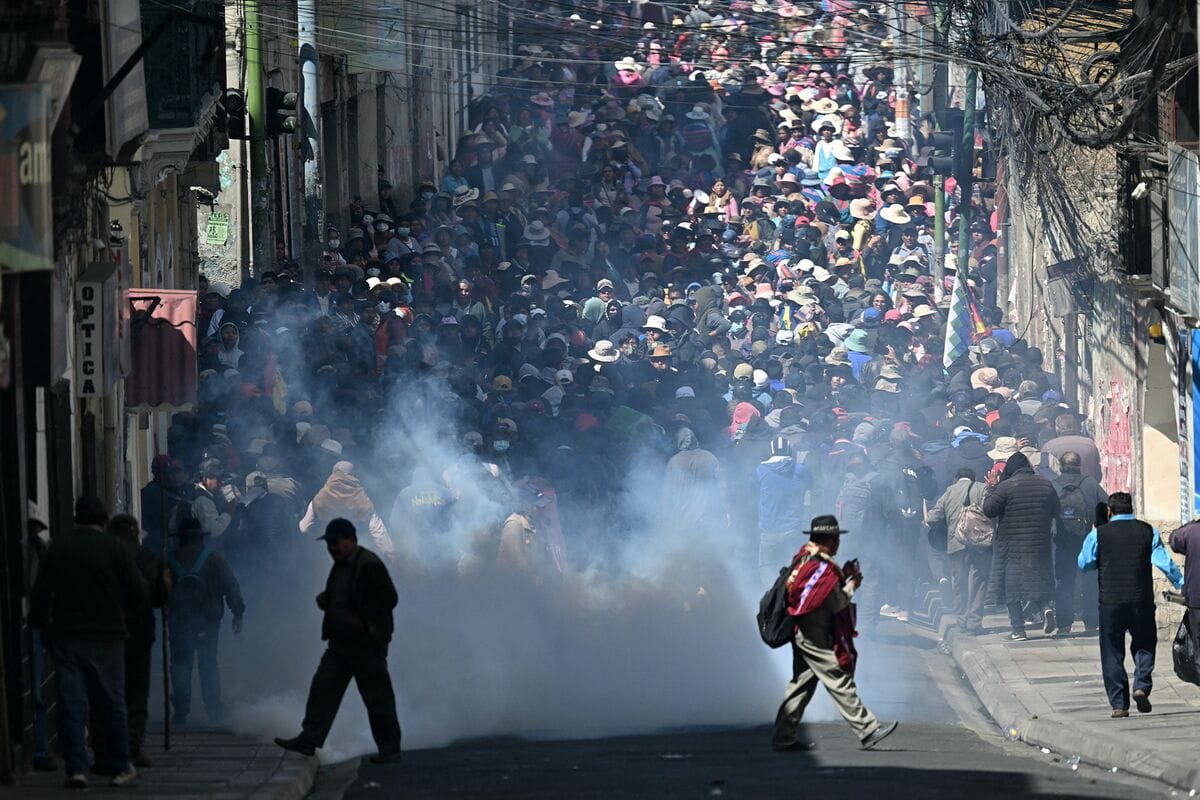
Violent clashes between protesters and security forces have escalated across Bolivia as food shortages drive public anger and opposition groups demand President Rodrigo Paz step down from power.
The unrest marks a dangerous escalation in Bolivia's political crisis, with demonstrators taking to the streets amid growing economic hardship. Security forces have deployed against protesters in multiple confrontations as the South American nation grapples with supply chain disruptions that have left store shelves empty and families struggling to feed themselves.
Economic Crisis Fuels Political Opposition
Food shortages have become the flashpoint for broader discontent with Paz's administration. Opposition leaders are seizing on the supply crisis to build momentum for removing the president, arguing his government has failed to manage the economy and protect basic necessities for Bolivians.
The protests represent a serious challenge to Paz's grip on power in a country with a history of political instability. Bolivia has experienced multiple coups and forced resignations of presidents over the past two decades, making the current unrest particularly concerning for regional stability.
For American policymakers, Bolivia's crisis presents both risks and opportunities. Political upheaval in South America can drive migration flows northward toward the U.S. border, while economic instability threatens American business interests and complicates efforts to counter Chinese influence in the region.
Regional Implications Mount
Bolivia's strategic importance extends beyond its borders. The landlocked nation sits on massive lithium reserves critical for electric vehicle batteries — resources that Washington wants to keep out of Beijing's control. Political chaos could open the door for China to expand its footprint in South American mining operations.
The food crisis also raises questions about Bolivia's agricultural policies and trade relationships. Any government that emerges from the current turmoil will need to address supply chain failures that have left citizens without basic necessities, potentially creating openings for increased U.S. agricultural exports.
Watch for signs that the military will intervene if protests continue to escalate — Bolivia's armed forces have historically played kingmaker roles during political crises, and their next move could determine whether Paz survives or becomes another casualty of Bolivian political volatility.
This is a developing story and will be updated.