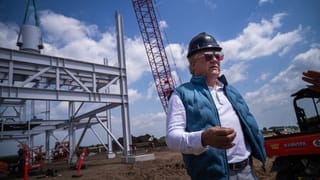
The Treasury Department sanctioned China's Hengli Petrochemical (Dalian) Refinery on Friday, targeting the country's second-largest independent refinery for oil purchases that generated "hundreds of millions of dollars" for Iran's military. The move comes as potential new talks on ending the US-Israeli war with Iran loom.
Treasury called Hengli "one of Tehran's most valued customers" in the announcement. The department also sanctioned roughly 40 shipping companies and vessels allegedly operating as part of Iran's shadow fleet to evade international restrictions.
China's embassy in Washington pushed back hard against the sanctions. "We call on the US to stop politicising trade and sci-tech issues and using them as a weapon and a tool and stop abusing various kinds of sanction to hit Chinese companies," an embassy spokesperson said.
The sanctions target China's "teapot" refineries — small, privately owned facilities mostly located in Shandong province and nicknamed for their teapot-like shape. These independent refineries have become crucial to China's energy security by importing and stockpiling discounted Iranian and Russian oil while keeping state-owned enterprises insulated from politically risky trades.
The timing matters for American energy security and military readiness. China purchased more than 80 percent of Iran's shipped oil last year, according to analytics firm Kpler, while the US has burned through massive weapons stockpiles in the Iran conflict. China gets more than half of its total oil from the Middle East, making these Iranian purchases a significant revenue stream for Tehran's war machine.
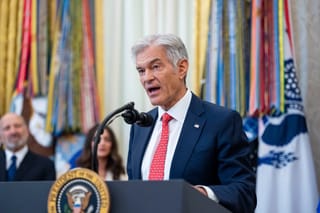
Treasury Secretary Scott Bessent pledged Friday to keep targeting Iran's oil network. "Any person or vessel facilitating these flows — through covert trade and finance — risks exposure to US sanctions," he warned.
The Trump administration has systematically gone after China's independent refineries since taking office. Last year, Treasury sanctioned Hebei Xinhai Chemical Group, Shandong Shouguang Luqing Petrochemical and Shandong Shengxing Chemical. The US Navy has blockaded Iranian ports since April 13, part of President Trump's strategy to choke Iran's oil and gas export revenues.
The war has already created financial pressure for teapot refineries beyond sanctions risk. Brussels-based think tank Bruegel reported last month that these facilities face "high replacement prices in a market already strained by global tensions" due to the US-Israel war on Iran.
The sanctions escalation puts more pressure on Beijing to choose between supporting Iran's economy and maintaining access to US financial systems. Watch for China's response and whether other teapot refineries cut Iranian purchases to avoid Treasury's crosshairs.