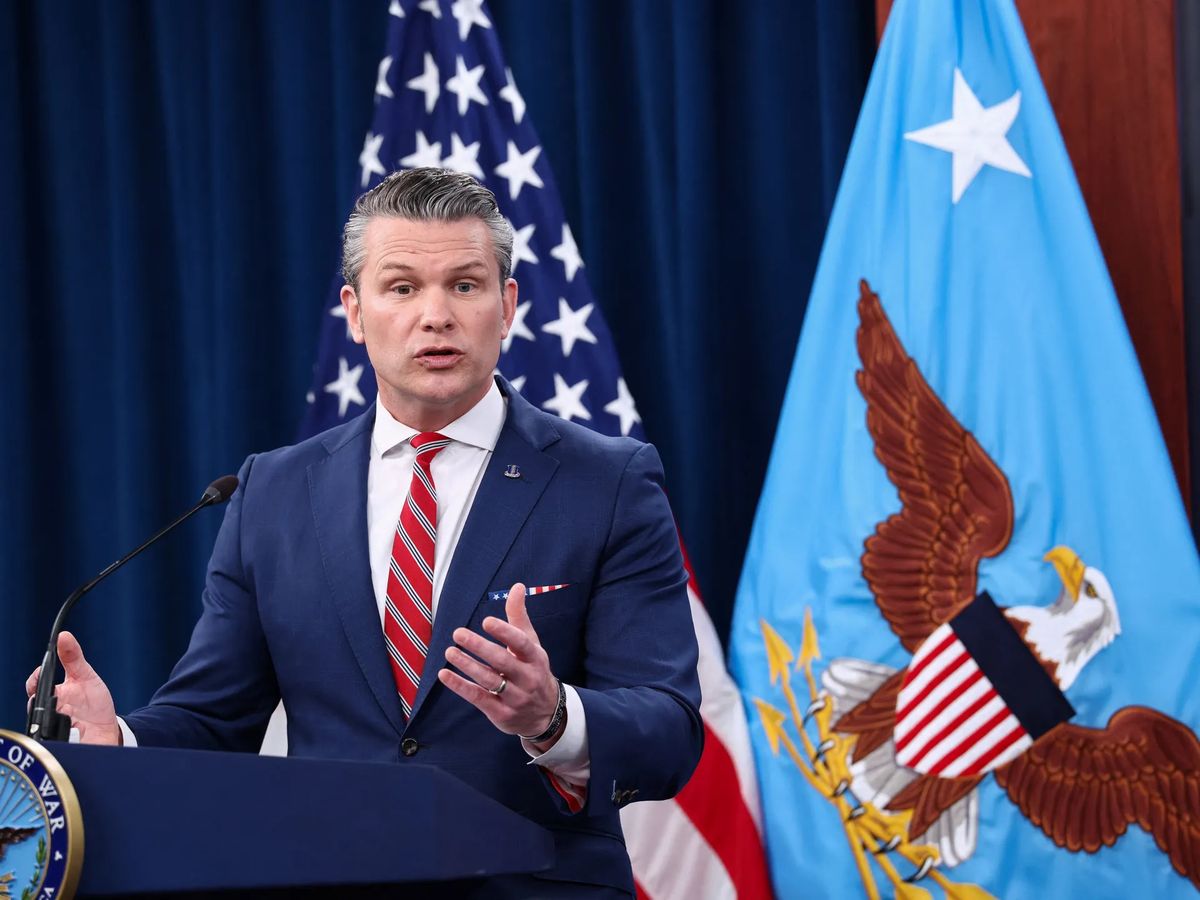
The US-Iran ceasefire remains in effect despite Monday's naval clashes in the Strait of Hormuz that left five Iranian civilians dead and three injured in the UAE, Pentagon chief Pete Hegseth told reporters Tuesday.
Hegseth said President Trump will decide when the truce ends, signaling Washington may tolerate Iranian attacks during its push to reopen the strategic waterway before resuming full-scale war. The defense secretary stressed that Project Freedom — the US campaign to break Iran's naval blockade — operates separately from the broader US-Israeli assault on Iran codenamed Epic Fury.
The ceasefire is not over. Ultimately, this is a separate and distinct project, and we expected there would be some churn at the beginning, which happened.
Monday's Escalation Brings Highest Hostilities Since April
Monday marked the most intense fighting since the April 8 ceasefire took effect. Iran fired at US Navy ships while America shot down seven small Iranian military boats. Tehran renewed drone and missile strikes against the United Arab Emirates, hitting the Fujairah Petroleum Industries Zone. A suspected Iranian attack also struck a South Korean vessel near Hormuz.
The US attack on an Iranian passenger boat killed five civilians, Tehran reported. Iran's strike on the UAE facility injured three people.
More than 24 hours after Project Freedom launched, ship tracking data shows traffic through the strait remains largely stalled. Hegseth claimed the US has secured the waterway and is communicating with shipping companies and insurers to encourage passage.
Pentagon Claims 'Red, White and Blue Dome' Over Strait
Hegseth declared the US has established comprehensive protection over the critical shipping lane that handles roughly 20% of global oil traffic.
We have established a powerful red, white and blue dome over the strait. American destroyers are on station, supported by hundreds of fighter jets, helicopters, drones and surveillance aircraft, providing 24/7 overwatch for peaceful commercial vessels.
The Pentagon chief confirmed that Iranian vessels will be banned from the strait while the US naval siege on Iran's ports continues. However, officials refused to specify how many ships America plans to escort or whether commercial vessels have agreed to transit the dangerous waters.
Top US General Dan Caine deferred questions about escort numbers to Central Command, saying he didn't want to get ahead of officials directly coordinating with commercial shippers.
Tehran dismissed the American campaign, insisting it retains control over the waterway that serves as a chokepoint for global energy supplies. The standoff tests whether Trump can force Iran's hand without triggering a full resumption of hostilities that could spike oil prices and destabilize the region.
This is a developing story and will be updated.