The fragile U.S.-Iran ceasefire hangs by a thread as both sides clash over whether Lebanon falls under the agreement's protection. Washington insists the deal excludes the country, while Tehran demands coverage for its Hezbollah allies facing renewed Israeli bombardment.
The dispute exposes the hastily negotiated ceasefire's fundamental weakness: each side appears to have signed different agreements. Iran's Revolutionary Guard commanders view any Israeli strikes on Lebanese territory as ceasefire violations requiring retaliation. American negotiators maintain they never agreed to shield Hezbollah operations in Lebanon from Israeli counterattacks.
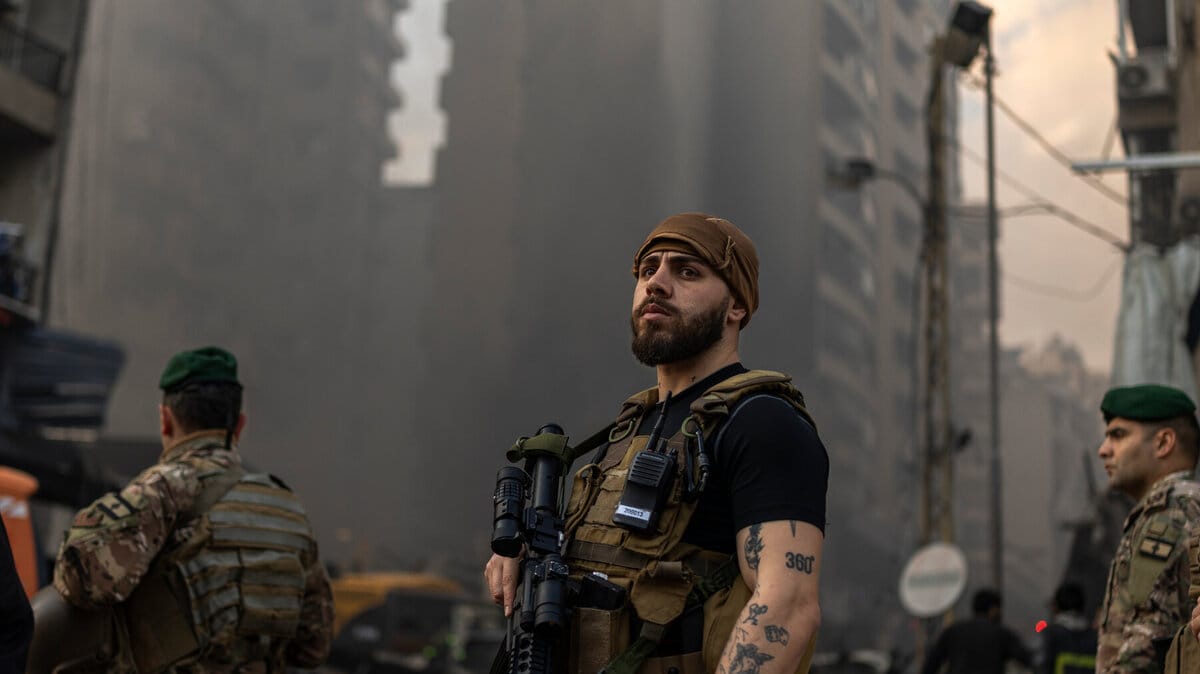
Israeli jets pounded Beirut's southern suburbs Tuesday night, killing at least 15 people in what military officials called "precision strikes" against Hezbollah weapons depots. The raids came just hours after Iranian Foreign Minister Abbas Araghchi warned that continued attacks on Lebanon would force Tehran to "reconsider all commitments" under the ceasefire framework.
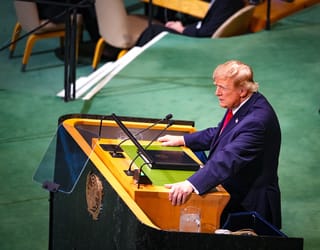
The timing couldn't be worse for the Trump administration, which touted the Iran deal as a major diplomatic victory after 38 days of military operations. White House officials spent the weekend briefing allies that the agreement would reduce regional tensions and allow focus on Iran's nuclear program.
Iran's calculation appears straightforward: it cannot abandon Hezbollah without losing credibility across its regional proxy network. Lebanese Hezbollah forces have served as Iran's primary deterrent against Israeli strikes on Iranian nuclear facilities. Allowing Israel to degrade those capabilities unopposed would signal weakness to allies in Iraq, Syria, and Yemen.
American officials counter that Lebanon's government never requested inclusion in the ceasefire talks. They argue Iran is attempting to expand the agreement's scope to protect assets that weren't part of the original conflict between U.S. and Iranian forces.
The disagreement reflects deeper strategic miscalculations on both sides. Trump's negotiators believed they could compartmentalize the Iran conflict from broader Middle East tensions. Iranian leaders assumed American pressure would force Israeli restraint across all fronts.
Pentagon sources indicate Israel provided no advance warning of the Beirut strikes, suggesting coordination between Washington and Jerusalem remains limited despite the ceasefire. Israeli Prime Minister Benjamin Netanyahu's office declined to comment on whether future Lebanon operations would continue regardless of American objections.
The next 48 hours will likely determine whether diplomats can salvage the agreement or whether the region slides back toward open conflict. Iran has reportedly given the U.S. until Thursday to clarify Lebanon's status, while Israeli military planners are said to be preparing additional Hezbollah targets regardless of Tehran's ultimatum.