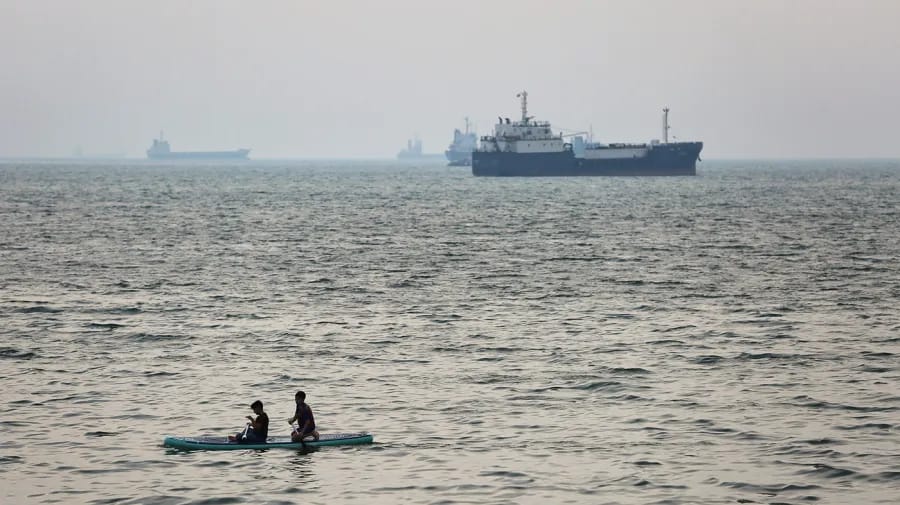
The U.S. military and Iran both seized oil tankers in international waters this week, escalating a dangerous maritime standoff in the Strait of Hormuz despite an ongoing ceasefire between Washington, Tehran, and Israel.
While missile and drone strikes that defined the first month of the regional conflict have largely stopped, a new tit-for-tat battle is brewing at sea. Iranian forces struck additional vessels in the strategic waterway, threatening the fragile détente that has kept the broader war from spiraling further out of control.
The tanker seizures mark a sharp escalation in what military analysts call "gunboat diplomacy" — nations using naval force to project power and test resolve without triggering full-scale combat. For American taxpayers and military families, the stakes couldn't be higher: the Strait of Hormuz carries roughly 20% of global oil traffic, making it a chokepoint for the world economy.
The White House has previously argued that Iranian ship seizures don't violate ceasefire terms, claiming the agreement only covers attacks on U.S. and Israeli vessels. That interpretation now faces its biggest test as both sides grab commercial shipping in international waters.
The maritime confrontation comes as Trump administration officials have maintained they have "total control" of the Hormuz Strait, even while engaging in ongoing negotiations with Tehran. The president has said he wants to "take his time" on Iran diplomacy, but events at sea may force his hand.
For American consumers, the implications are immediate and costly. Any major disruption to Hormuz shipping lanes would send oil prices soaring and hit gas pumps nationwide within days. The strait's narrow 21-mile width makes it easy to block but difficult to clear if Iran decides to mine the waters or sink vessels in shipping channels.
The seizures also put American naval forces in an impossible position. U.S. warships must protect commercial vessels without triggering a broader conflict that could draw in thousands more American troops. Every intercept risks becoming the spark that reignites full-scale hostilities.
Iranian hardliners have long viewed control of Hormuz as their ultimate leverage against Western sanctions and military pressure. By grabbing tankers now, Tehran tests whether Washington will enforce freedom of navigation or prioritize keeping the ceasefire intact.
The Pentagon will likely increase naval patrols and consider escorting commercial traffic through the strait — moves that bring American sailors into direct contact with Iranian forces daily. Watch for whether other Gulf allies join convoy operations or leave the U.S. to patrol these critical waters alone.