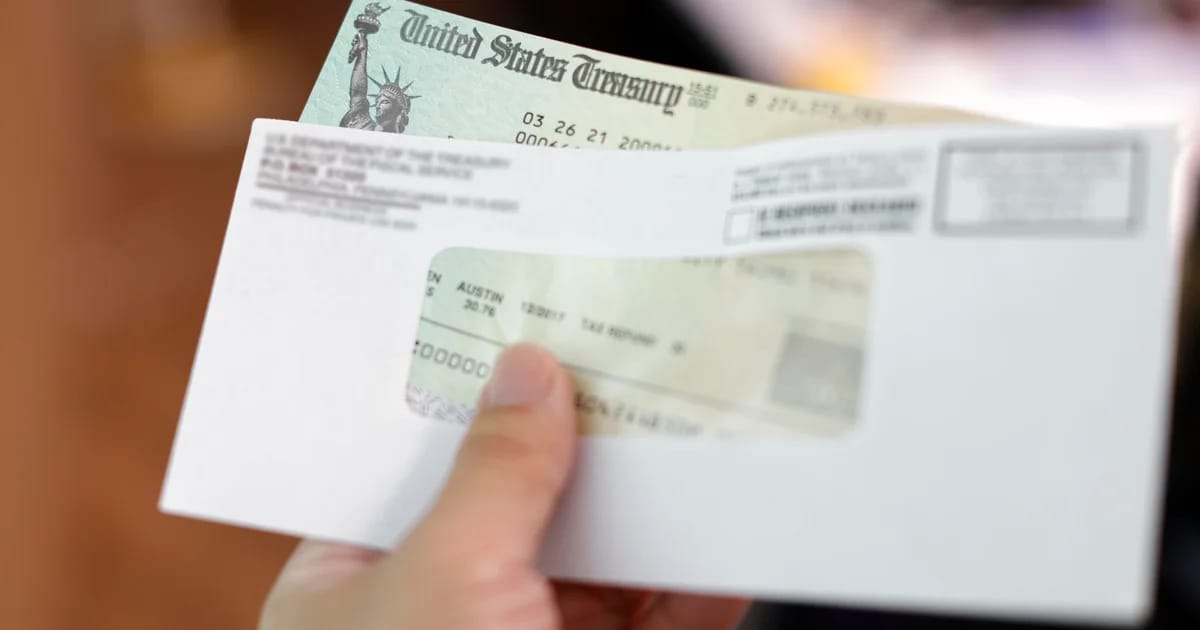
The Treasury Department will begin issuing the first refunds of President Trump's struck-down tariffs as early as May 11, returning money from the $166 billion in duties the government now owes to American importers.
U.S. Court of International Trade Judge Richard Eaton announced the timeline Tuesday, saying Customs and Border Protection has approved roughly 21% of refund requests submitted through the government's new portal. Of those approved applications, 3% have reached the refund stage and will receive Treasury payments starting next week.
Portal Crashes Under Business Demand
The federal government launched the Consolidated Administration and Processing of Entries (CAPE) portal on April 20 to handle refund requests for Trump's International Emergency Economic Powers Act tariffs, which the Supreme Court invalidated in February. The system immediately crashed when thousands of businesses flooded the site seeking their money back.
Small business owners across the country are fighting through technical glitches to reclaim tens of thousands in tariff payments. Beth Benike, co-founder of Minnesota-based Busy Baby, still cannot access the portal to apply for refunds. Dahlia Rizk, who owns Massachusetts kids' outerwear company Buckle Me Baby, struggled for weeks to submit her request for $66,000 in refunds.
It was very difficult. I had a lot of trouble. I shouldn't have had to call up Border Patrol and explain my entire life story.
Rizk eventually succeeded in submitting her application, which Customs approved. She expects to receive her refund within months. But her experience highlights the administrative burden facing thousands of importers trying to navigate the refund system.
Legal Victory Creates Cash Flow Challenge
The refunds stem from the Supreme Court's February ruling that struck down Trump's tariff policies under the International Emergency Economic Powers Act. The decision, dubbed "liberation day" by importers, created an immediate obligation for the Treasury to return billions in collected duties.
Judge Eaton acknowledged the system's growing pains but praised the government's speed in creating the refund mechanism. Legal experts noted the complexity of processing refund requests that span multiple years and thousands of import transactions.
The $166 billion represents a massive cash outflow for the Treasury at a time when the government faces budget pressures from military operations and domestic spending. For businesses, the refunds provide crucial working capital that many have been without since paying the original tariffs.
The May 11 launch date gives importers their first concrete timeline for recovering funds. With only a fraction of requests processed so far, most businesses face months of waiting before seeing their money returned to company bank accounts.