President Trump announced he will impose 25% tariffs on European Union trucks and cars while exempting European automakers that produce vehicles inside the United States. The policy creates a clear incentive for foreign manufacturers to build American plants and hire American workers.
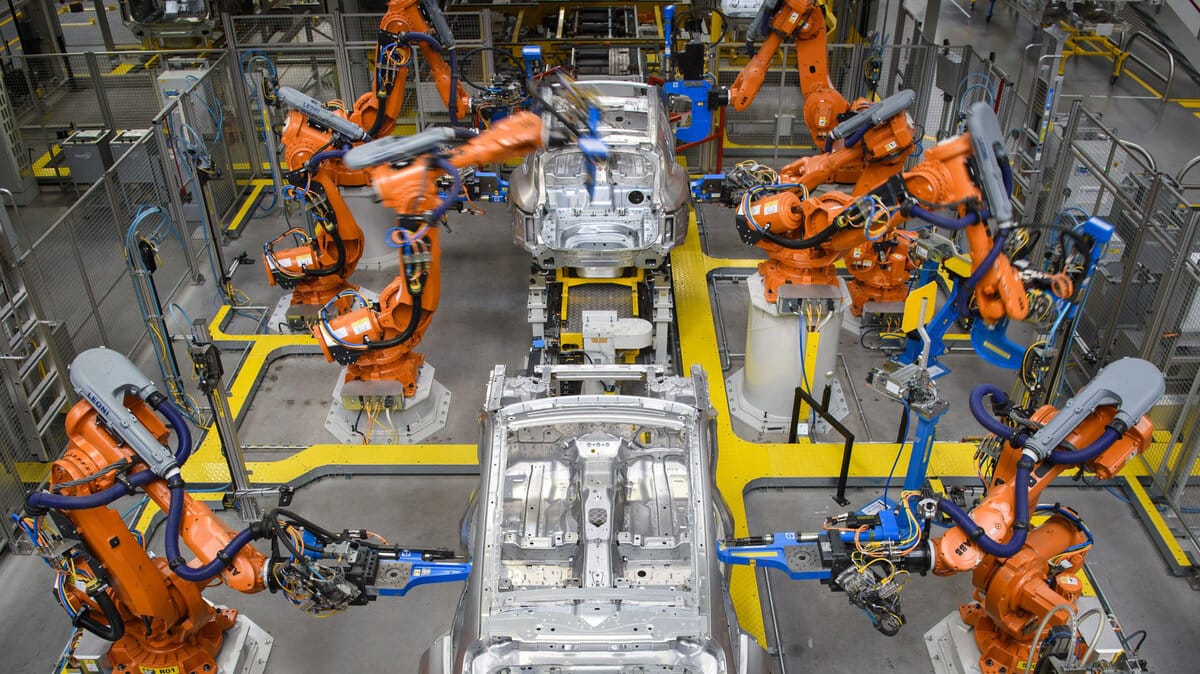
The tariff structure rewards companies like BMW, Mercedes-Benz, and Volkswagen that already operate manufacturing facilities on U.S. soil. BMW produces SUVs at its South Carolina plant, while Mercedes-Benz builds vehicles in Alabama and Volkswagen operates in Tennessee. These companies would avoid the steep import duties under Trump's plan.
European automakers without significant U.S. production capacity face a stark choice: pay the 25% penalty or invest billions in American manufacturing. The tariff rate matches levels Trump previously threatened during trade negotiations, signaling he intends to follow through on campaign promises to protect domestic industry.
The announcement comes as Trump reshapes America's trade relationships with key allies. After removing tariffs on Scotch whisky following productive talks with British leadership, the president now targets the EU's automotive exports to America.
Meanwhile, the White House declined to provide details about Iran's latest diplomatic proposal to the United States, citing the need to protect private diplomatic communications. The Iranian overture comes as Trump maintains economic pressure on Tehran while seeking to avoid military escalation.
The automotive tariff policy reflects Trump's broader economic strategy of using trade leverage to encourage domestic manufacturing. American consumers may face higher prices on European luxury vehicles, but the administration argues the policy will create manufacturing jobs and reduce America's trade deficit.
European officials have not yet responded to Trump's tariff announcement, but the EU has previously threatened retaliatory measures against American exports when faced with similar trade restrictions. The automotive sector represents one of Europe's most significant export industries to the United States.
Trump's exemption for European companies with U.S. operations could accelerate foreign investment in American manufacturing. The policy gives clear advantage to automakers willing to build plants, hire workers, and establish supply chains in the United States rather than shipping finished vehicles across the Atlantic.
The 25% rate represents a substantial barrier to European automotive imports and matches tariff levels that have historically reshaped global trade flows. American automakers stand to benefit from reduced competition, while European manufacturers face pressure to expand their U.S. footprint or accept reduced market access.
Industry analysts will watch whether other European automakers follow recent trends toward American manufacturing or attempt to absorb the tariff costs. The policy's implementation timeline and specific details remain unclear as the administration prepares to formalize the trade measures.