President Trump confirmed Saturday he is reviewing a 14-point peace proposal from Iran but warned military strikes could resume if Tehran "misbehaves" during the fragile ceasefire that began April 7.
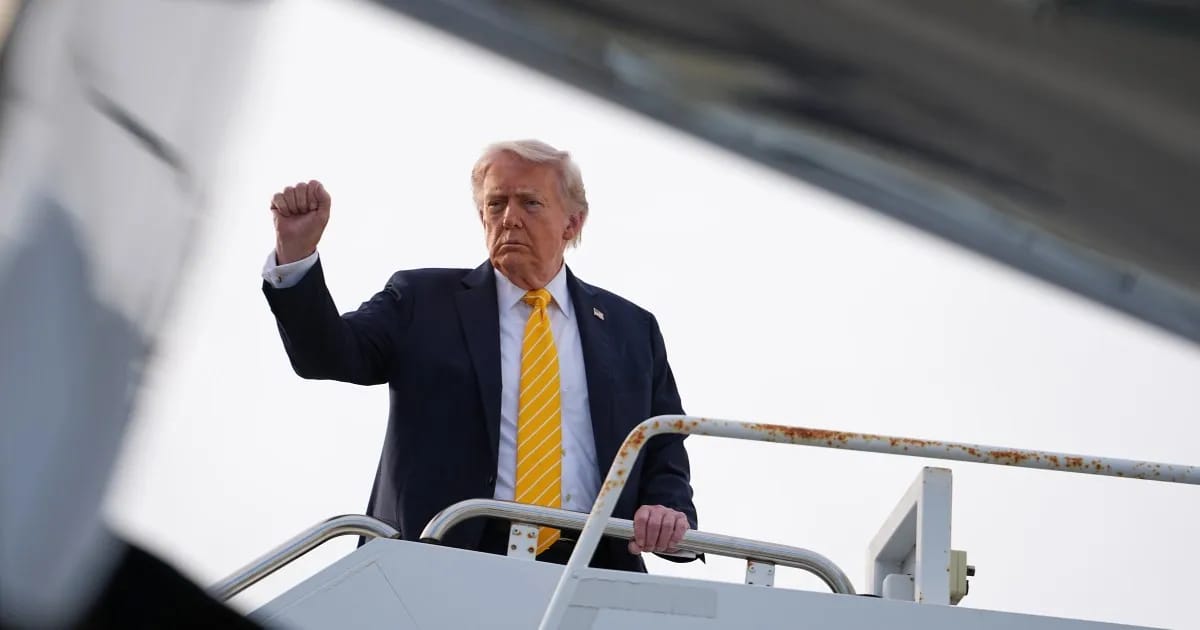
Speaking to reporters in Florida before boarding Air Force One, Trump said he had been briefed on the "concept of the deal" but struck a characteristically blunt tone about renewed hostilities. "If they do something bad, there is a possibility it could happen," Trump said when asked if strikes would resume.
The president claimed Iran was desperate for a settlement because the country had been "decimated" by months of conflict and the ongoing US naval blockade. Tehran's proposal reportedly demands the lifting of that blockade, war reparations, and the release of all frozen Iranian assets.
Iran Seeks 30-Day Timeline
Iran's plan calls for a 30-day window to finalize peace terms — a timeline that clashes with Washington's preference for a longer transition period. The diplomatic push comes amid a three-week truce that paused the US-Israel war on Iran, which began in late February.
Despite the ceasefire talks, Trump later posted on Truth Social that it was "difficult to imagine" the Iranian proposal would be acceptable. Iran had "not yet paid a big enough price for what they have done to Humanity, and the World, over the last 47 years," he wrote.
The Islamic Revolutionary Guard Corps said Saturday it remains on "full standby" for a return to hostilities, citing America's "lack of commitment to previous treaties." Technical obstacles complicate any deal, including Iranian sea mines in the Strait of Hormuz that would need removal before shipping could resume.
NATO Tensions Add Complexity
Trump's peace negotiations face additional strain from his recent decision to withdraw 5,000 US troops from Germany, creating a rift with NATO allies at a critical diplomatic moment.
Tehran's Foreign Ministry seized on Trump's recent characterization of the naval blockade as a "very profitable business," calling the remarks a "damning admission of piracy." The comment highlighted how economic considerations factor into Trump's strategic calculations as he weighs Iran's overture.
The president's dual approach — reviewing peace terms while maintaining military pressure — reflects his broader strategy of negotiating from a position of strength. Iran's willingness to propose specific terms suggests the regime feels genuine pressure from the sustained blockade and military campaign.
The 30-day timeline Iran seeks would test whether both sides can move quickly from tentative discussions to concrete agreements. Trump's insistence that Iran hasn't "paid a big enough price" signals he may demand additional concessions before accepting any deal that lifts economic pressure on the Islamic Republic.