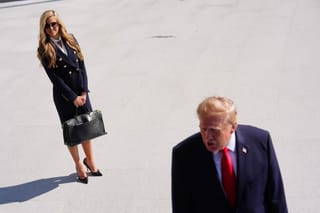
President Trump convened his national security team Monday morning to review Iran's latest diplomatic proposal, the White House confirmed, as Tehran floats reopening the strategic Strait of Hormuz in exchange for the US lifting its blockade of Iranian ports.
White House Press Secretary Karoline Leavitt told reporters that Trump discussed the Iranian proposal with his advisers but declined to provide specifics. "I don't want to get ahead of the president or his national security team," Leavitt said. "What I will reiterate is that the president's red lines with respect to Iran have been made very, very clear, not just to the American public, but also to them as well."
The proposal reportedly would defer broader nuclear negotiations to a later stage while addressing the immediate crisis over the strait, through which 20% of global oil supply passes daily. Secretary of State Marco Rubio said Monday that Iran appears "serious" about reaching a deal but stressed any agreement must prevent Tehran from developing nuclear weapons.
"We have to ensure that any deal that is made definitively prevents them from sprinting towards a nuclear weapon at any point," Rubio told reporters. The secretary's comments signal the administration views nuclear proliferation as the core threat, even as economic pressures from the strait's closure mount.
The diplomatic push follows failed talks in Islamabad on April 11 between US and Iranian representatives. Those negotiations came after Pakistan brokered a two-week ceasefire on April 8, which Trump later extended. The war between the two nations began February 28, though the source material does not specify the conflict's origins.
Trump cancelled a planned Pakistan trip this weekend by special envoys Steve Witkoff and Jared Kushner, suggesting ongoing diplomatic complications. Key sticking points include control of the Strait of Hormuz, the US blockade of Iranian ports, and the future of Iran's nuclear program.
For American families, the strait's closure directly impacts gas prices and energy security. The waterway serves as a chokepoint for oil shipments from the Persian Gulf, making any disruption a national economic concern. Iran's apparent willingness to negotiate suggests the regime faces pressure from its own economic isolation.
The administration's focus on preventing nuclear weapons development reflects Trump's campaign promises to contain Iranian threats through strength rather than the previous administration's diplomatic approach. With Defense Secretary Pete Hegseth and Joint Chiefs Chairman Dan Caine advising Trump, military options remain on the table if talks fail.
Diplomatic sources indicate another round of talks may be organized, though no timeline has been announced. The outcome will determine whether economic warfare continues or both nations step back from a conflict that threatens global energy markets and regional stability.