Trump Eyes Cuba Takeover After Venezuela Success — Key Regime Figures in Crosshairs
President Trump signals Cuba could be next for military action after removing Maduro. Raúl Castro faces potential indictment while current President Díaz-Canel holds power until 2028.
President Trump is openly considering military action against Cuba following the successful U.S. operation that removed Venezuelan leader Nicolás Maduro from power. Trump has declared "Cuba's going to be next" and mused about "taking Cuba in some form," signaling a potential end to the communist regime that has ruled the island for over six decades.
Insider Wire
Sign in or create a free account.
Gain access to limited free articles, news alerts, and morning briefings.
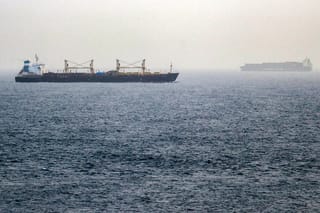
The Trump administration has imposed a virtual oil blockade on Cuba after Maduro's ouster, worsening living conditions and pressuring the regime for economic and political reforms. U.S. officials have been meeting with key Cuban figures as Trump seeks what he calls "a new dawn for Cuba" — a change 70 years in waiting.
Castro Still Pulls Strings Despite Stepping Down
Raúl Castro, the 94-year-old brother of revolutionary leader Fidel Castro, remains one of Cuba's most powerful figures despite officially stepping down as president in 2018 and as Communist Party leader in 2021. The veteran commander who helped topple U.S.-backed dictator Fulgencio Batista in 1959 now faces potential U.S. indictment over the 1996 downing of two planes operated by Cuban exile group Brothers to the Rescue.
Castro proved more pragmatic than his late brother Fidel, reaching an accord with President Obama in 2014 that created the most extensive U.S. opening to Cuba since the early 1960s. That rapprochement was largely reversed during Trump's first term, setting the stage for today's confrontation.
Current President Seen as Obstacle to Change
Miguel Díaz-Canel has served as Cuba's president since 2018 and leads the Communist Party, with his term running until 2028. He's the first non-Castro to lead Cuba since the revolution, hand-picked by Raúl Castro for the role. But reports indicate the Trump administration believes the changes it seeks cannot come about under the current president.
Díaz-Canel has publicly stated Cuba would defeat any U.S. military takeover attempt. However, experts largely view him as a loyalist functionary without significant independent power — potentially making him expendable if Washington decides to force regime change, as Insider Wire previously reported regarding other military interventions.
The administration's Cuba strategy mirrors its approach to Venezuela, where economic pressure preceded military action. With Cuba's economy in ruins and the oil blockade tightening, Trump appears to be positioning for what could be the most dramatic shift in U.S.-Cuba relations since the Bay of Pigs invasion.