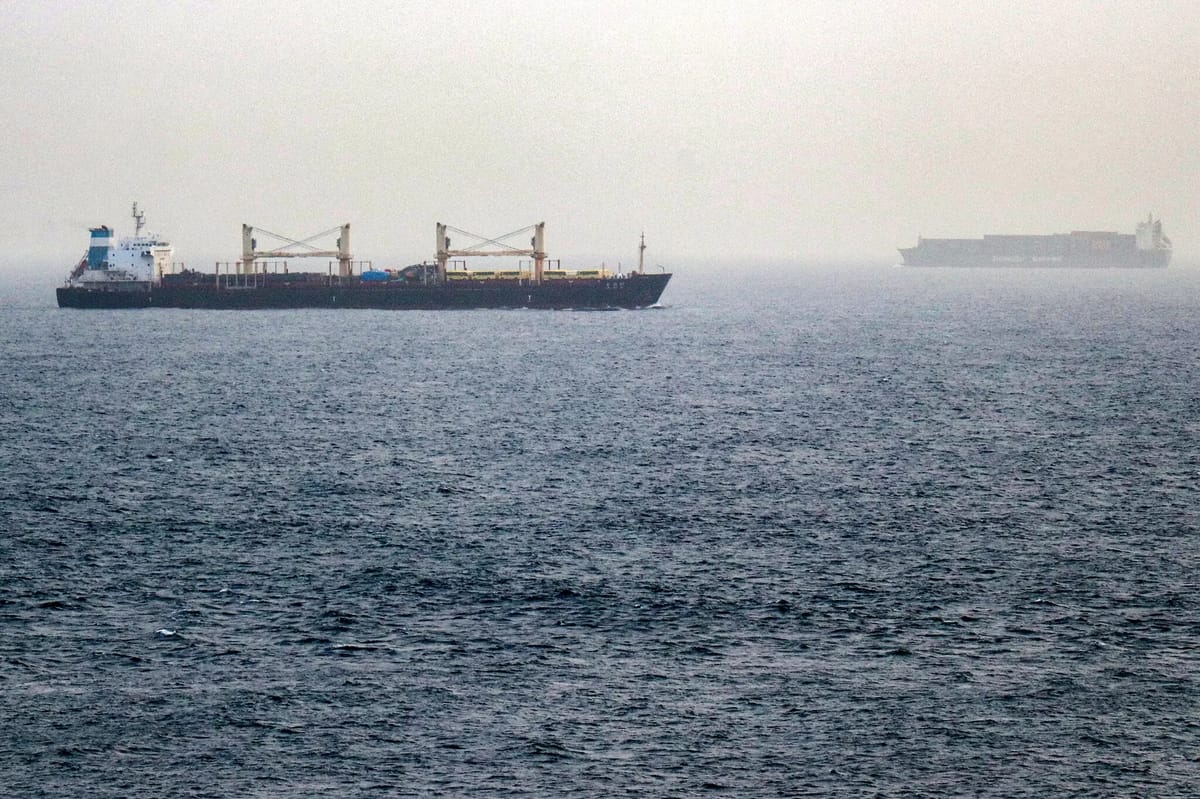
A diplomatic agreement may soon declare the Strait of Hormuz open to commercial shipping. But for the companies operating the vessels, the more important question is whether they can legally and safely use it.
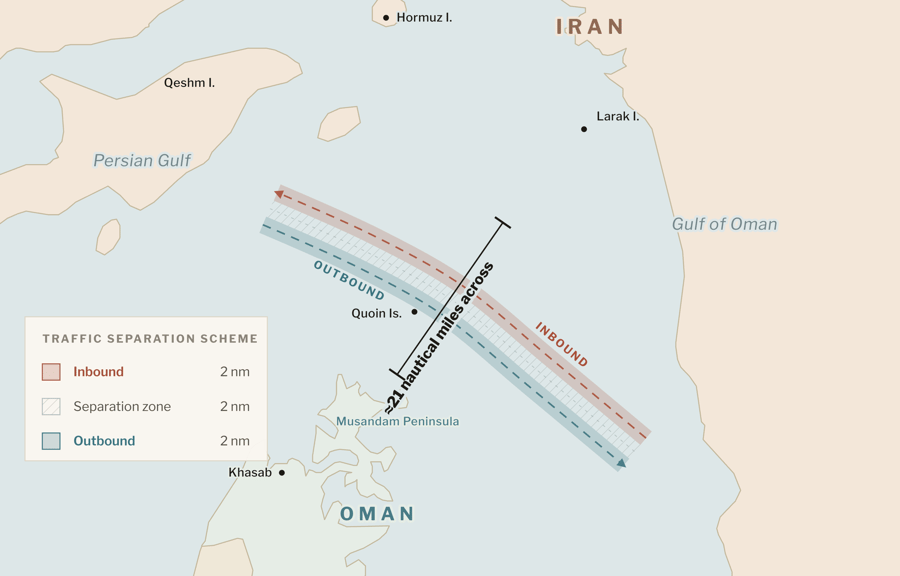
The proposed arrangement between Iran and Oman would reportedly give Tehran authority over vessels entering the Persian Gulf, while Oman would manage outbound traffic. Iran has sought payments worth between 5 and 7 percent of a ship’s cargo value, while Oman has discussed fees of approximately 3 percent. The United States insists that passage must remain free.
For a tanker carrying hundreds of millions of dollars in oil, even a small percentage would represent an enormous payment. However, the cost is only the beginning of the problem.
Iran established the Persian Gulf Strait Authority in May to manage traffic and collect payments. The US Treasury Department subsequently sanctioned the organization, describing it as connected to Iran’s Islamic Revolutionary Guard Corps. Treasury guidance states that US persons, American financial institutions and US-controlled foreign companies are prohibited from paying Iran for guaranteed passage through the strait. They are also prohibited from receiving safe-passage services from the Iranian government, even when no direct payment is made.
That creates a problem far beyond American-owned ships.
Modern vessels rarely belong to only one country. A tanker may be registered in Liberia, owned by a Greek company, managed from Singapore, insured in London, financed through an American bank and chartered by a European energy company. A payment that appears legal in one jurisdiction could still pass through a US-connected bank or involve a sanctioned entity.
The Treasury Department has warned that sanctions exposure could apply not only to conventional payments, but also to digital currency, informal swaps, offsets, charitable donations or other payments made in kind.
Shipping companies therefore face a difficult choice. Paying Iran could result in blocked assets or sanctions penalties. Refusing to pay could result in a vessel being denied passage, detained or exposed to military action.
Insurance presents another obstacle.
In July, the Lloyd’s Market Association introduced a clause allowing war-risk insurers to terminate coverage when a vessel pays a fee, toll or similar charge to cross Hormuz. According to Reuters, the clause can release insurers from their obligations involving the affected ship.
A commercial tanker cannot realistically sail through a conflict zone without war-risk insurance. A major collision, missile strike, oil spill or loss of cargo could produce liabilities reaching hundreds of millions or even billions of dollars. Without insurance, shipowners, banks and charterers may refuse to authorize the voyage, regardless of what governments announce.
There is also a larger dispute over international maritime law.
The United Nations Convention on the Law of the Sea establishes the right of transit passage through straits used for international navigation. Coastal states may adopt reasonable safety and environmental regulations, but they must not hamper, discriminate against or suspend transit passage.
The International Maritime Organization has taken an even clearer position. Its governing council stated that passage through Hormuz should remain non-discriminatory, unimpeded and free from tolls or charges. The organization also emphasized that any regional arrangement must preserve the traffic separation system adopted in 1968.
Iran and Oman already helped design that system. The legal controversy is therefore not about whether they can coordinate navigation or improve safety. The controversy is whether coordination can become compulsory control and whether a service charge is simply a toll under another name.

This is why declaring the Strait of Hormuz open may not immediately restore global shipping. A vessel could receive permission to enter but remain unable to pay the required fee, maintain insurance or satisfy the banks financing its journey.
The strait may soon reopen geographically. Legally and commercially, however, it could remain closed.