The Trump administration dismissed multiple immigration judges after they blocked deportation orders targeting pro-Palestinian students, marking the latest move to overhaul the nation's immigration court system. The judges were terminated immediately following their rulings that halted removal proceedings against foreign students involved in campus protests.
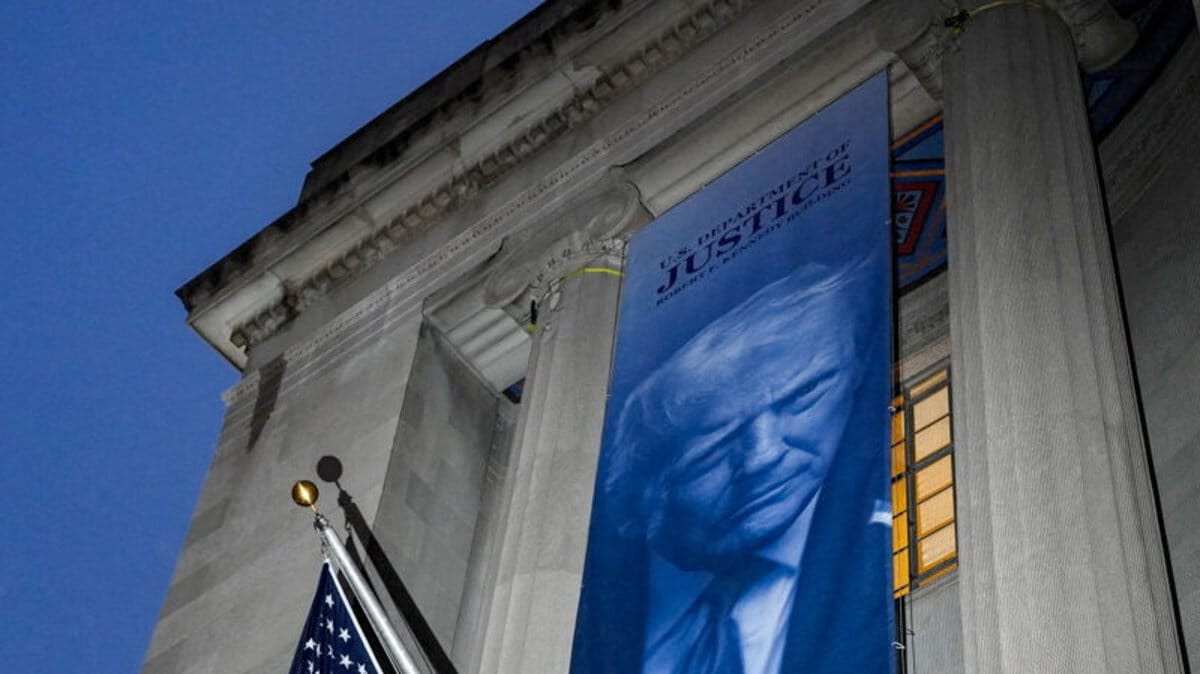
The firings represent an escalation in the administration's efforts to remove judicial obstacles to its deportation agenda. Immigration courts, which operate under the Department of Justice rather than as independent judicial bodies, have faced increasing political pressure since Trump took office for his second term.
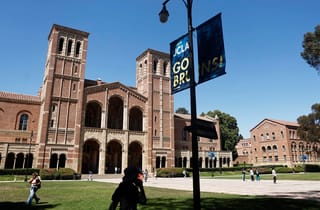
The dismissed judges had issued temporary restraining orders in cases involving international students who participated in pro-Palestinian demonstrations at universities across the country. These students faced expedited removal proceedings after their visa statuses were revoked by immigration authorities following their arrest or disciplinary action by universities.
Legal experts say the dismissals send a clear message to remaining immigration judges about the administration's expectations. The Executive Office for Immigration Review, which oversees the courts, has historically maintained some degree of judicial independence despite falling under DOJ authority.
The move comes as Senate Republicans prepare to fund expanded ICE and border enforcement through 2026. Immigration attorneys report that dozens of similar cases involving student activists remain pending in courts nationwide.
Pro-Palestinian student organizations condemned the firings as politically motivated retaliation designed to silence dissent on college campuses. University administrators have remained largely silent on the judicial dismissals, though several institutions have already suspended or expelled students involved in campus protests.
The administration's immigration court restructuring extends beyond individual case rulings. Officials have signaled plans to implement performance metrics that prioritize case completion rates and deportation orders, fundamentally altering how judges approach their dockets.
Immigration lawyers now face the challenge of representing clients before a court system where judicial independence appears increasingly compromised. The American Bar Association and several federal judges' associations have yet to respond publicly to the dismissals.
Watch for additional judicial reshuffling as more immigration cases involving campus protesters work their way through the system, and whether Congress will intervene to protect judicial independence in immigration courts.